

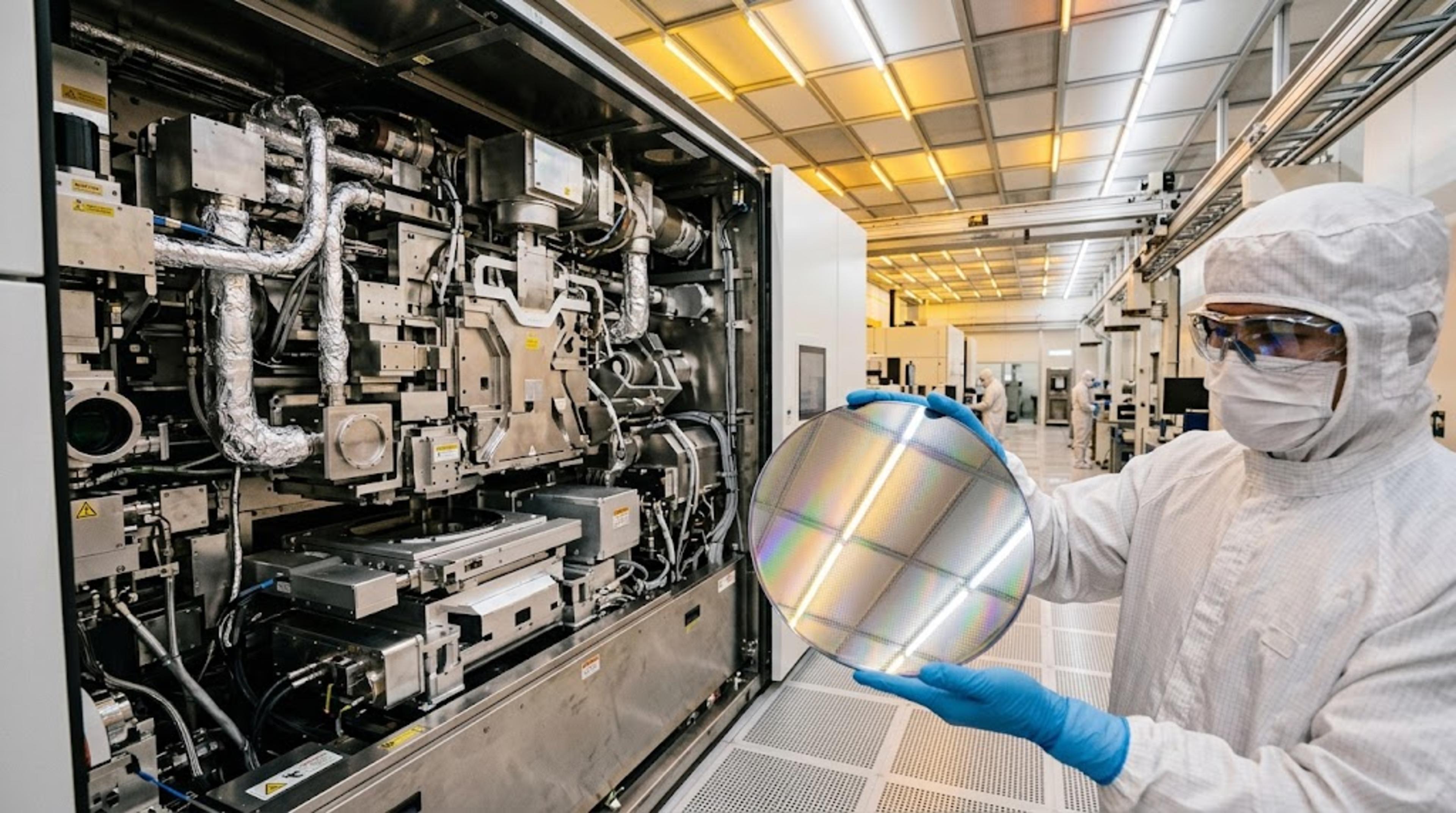
The global race for artificial intelligence supremacy reached a physical milestone on Wednesday as TSMC 2nm chip production officially commenced at the company's Baoshan facility in northern Taiwan.
Taiwan Semiconductor Manufacturing Company (TSMC) confirmed that its highly anticipated N2 fabrication lines are now yielding commercial silicon. The breakthrough moves the global semiconductor industry into the gate-all-around (GAA) transistor era. By surrounding the conductive channel on all four sides, this new architecture fundamentally changes how electrical current is controlled at microscopic scales, drastically reducing power leakage.
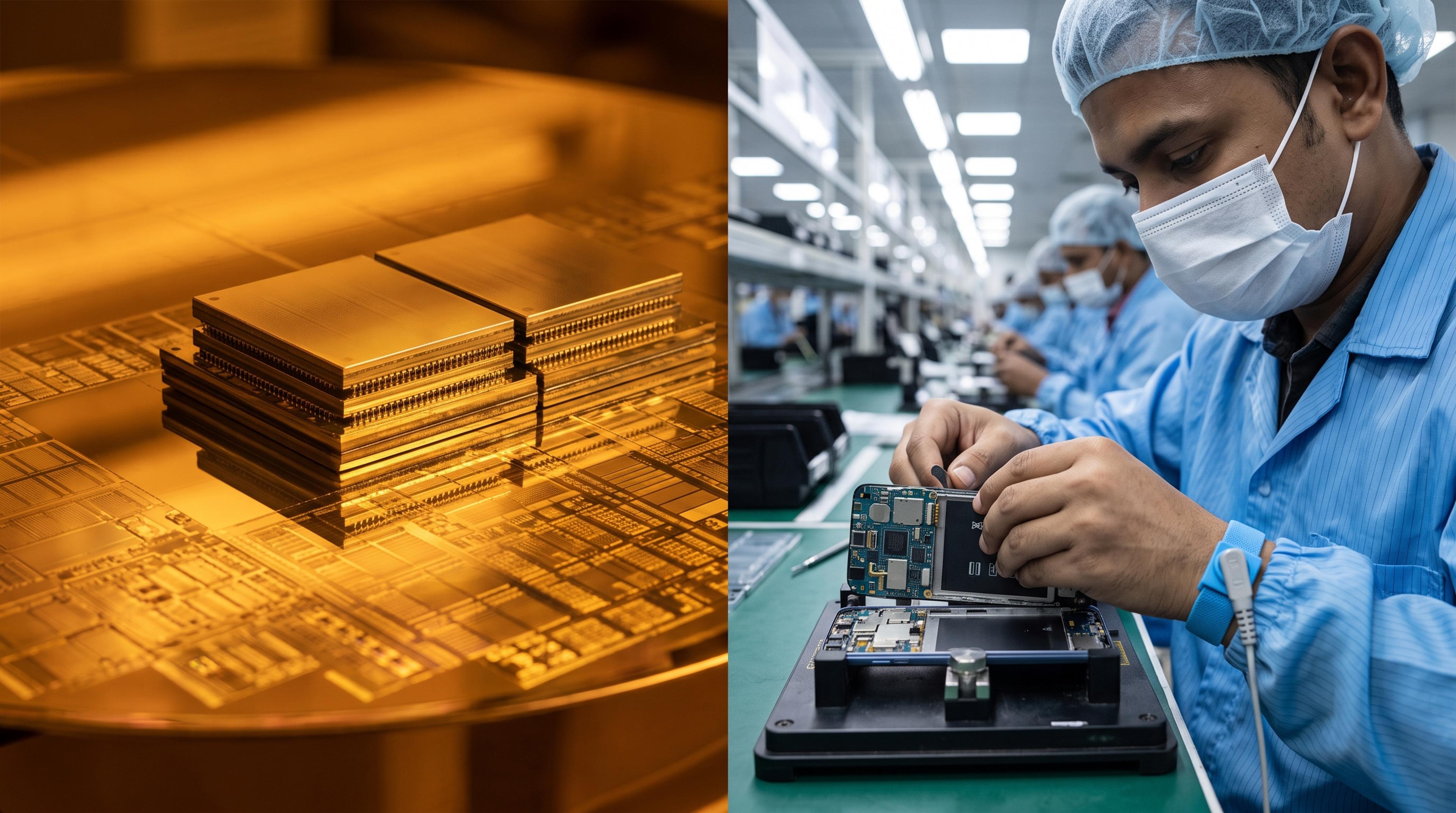
Apple and Nvidia have reportedly secured the entire first wave of the new manufacturing capacity. For consumer devices, this transition means the already potent processors powering devices evaluated in the recent iPhone 18 Pro Max review will be superseded by significantly more power-efficient silicon when Apple launches its 2027 hardware lineup.
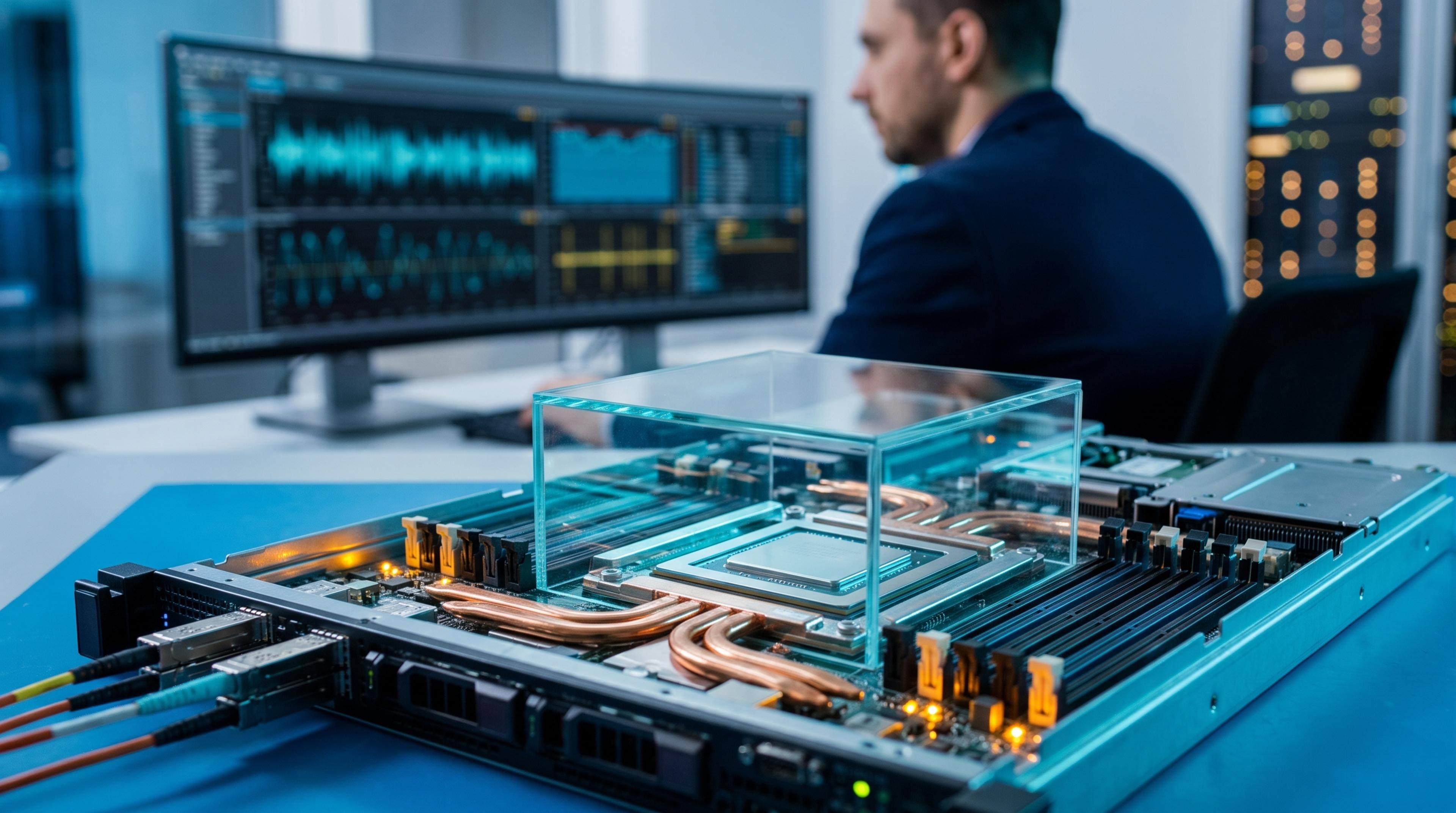
For enterprise data centers, the efficiency gains are even more critical. The physical limits of computing power are currently constraining software ambitions. As seen when AI agent safety tested as OpenAI and Nvidia race ahead last month, the computational cost of running autonomous, always-on software agents requires massive reductions in hardware power consumption. TSMC states the 2nm process delivers a 25 to 30 percent power reduction at the same speed compared to its current 3nm nodes.
Securing the Supply Chain
Achieving mass production at this microscopic scale requires staggering capital investment. The Baoshan Phase 2 expansion inside the Hsinchu Science Park represents billions of dollars in extreme ultraviolet (EUV) lithography equipment imported primarily from Dutch supplier ASML.
Rival foundries Samsung and Intel are also developing 2nm-class nodes to capture market share. However, TSMC's successful commercial yield this week maintains its dominant grip on the high-end logic market. By executing the N2 transition on schedule, the Taiwanese foundry has ensured that the next generation of global technology infrastructure will continue to rely on its assembly lines.

Comments
0Join the discussion
You must be logged in to leave a comment.