


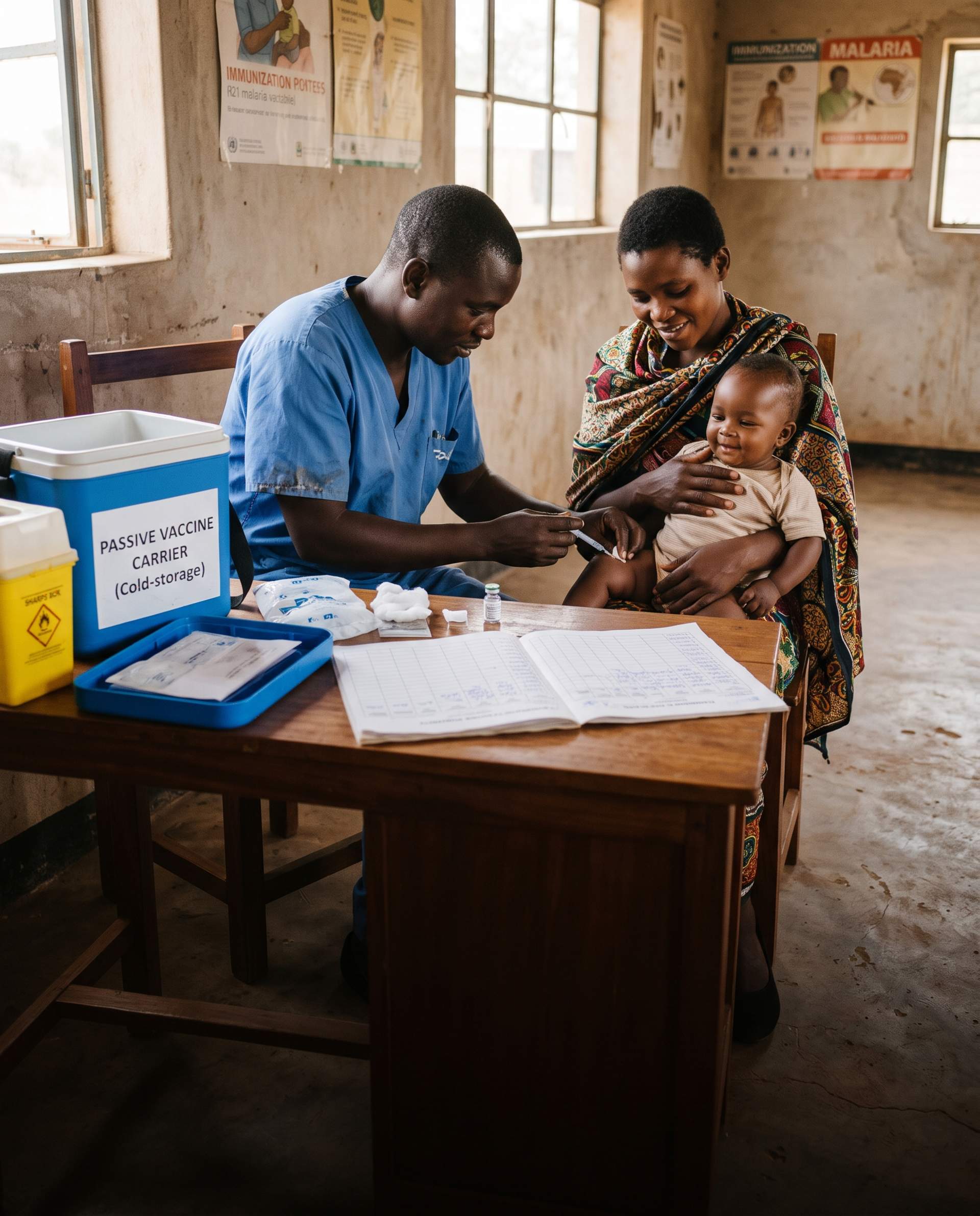
In what international medical experts are describing as one of the most consequential triumphs in modern global health history, the World Health Organization and Gavi, the Vaccine Alliance, have commenced the mass deployment of the breakthrough R21 Matrix-M malaria vaccine across high-burden nations.
The landmark vaccination initiative targets a parasitic disease that has claimed human lives for millennia, killing over six hundred thousand people annually, the vast majority being infants and young children under the age of five living in tropical climates. Developed through decades of scientific perseverance by the University of Oxford and mass-manufactured at unprecedented scale by the Serum Institute of India, the R21 vaccine arrives as a potent public health weapon capable of permanently altering the trajectory of global child mortality.
Exceptional Efficacy and the Matrix-M Adjuvant
The R21 vaccine represents a major technological leap over earlier preventive candidates. In rigorous phase three multi-center clinical trials published in leading medical journals, the vaccine demonstrated an extraordinary seventy-five percent protective efficacy against clinical malaria over twelve months of follow-up in regions with intense seasonal transmission.
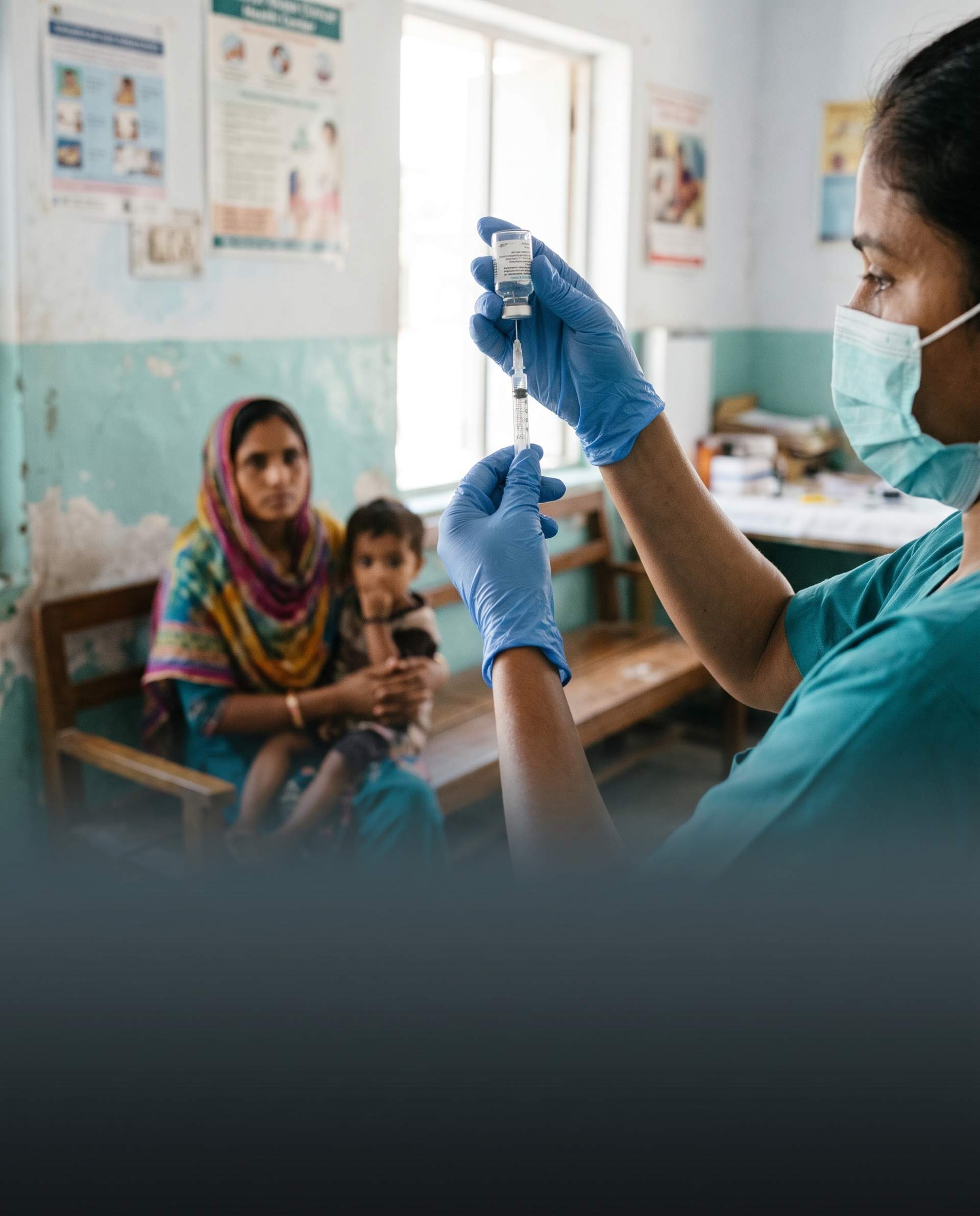
The formulation targets the circumsporozoite protein of the deadly Plasmodium falciparum parasite, teaching a young child's immune system to produce high-affinity antibodies that neutralize the parasite before it can penetrate the liver and establish deadly blood-stage infection. Crucial to this powerful immune response is the inclusion of the Matrix-M adjuvant, a proprietary saponin-based compound that stimulates both cellular and antibody defenses, providing durable protection even in young infants whose immune systems are still developing.
Pediatric specialists emphasize that delivering a single booster dose one year after the initial three-dose infant schedule maintains protective antibody titers throughout the most vulnerable preschool years.
Overcoming the Critical Supply and Cost Bottleneck
While an earlier malaria vaccine received regulatory approval several years ago, severe manufacturing constraints and high production costs strictly limited its real-world impact, leaving tens of millions of vulnerable infants without access to immunization. R21 shatters this supply barrier through industrial-scale manufacturing partnerships.
The Serum Institute of India has established dedicated production lines capable of manufacturing more than one hundred million doses annually at a subsidized price point below four dollars per dose. This cost-effective production model allows international health donors and national health ministries to integrate the vaccine seamlessly into standard childhood immunization schedules alongside routine vaccines for measles, polio, and diphtheria.
Gavi officials confirmed that initial shipments totaling over twenty-five million doses have cleared international cold-chain logistics hubs and arrived in frontline clinics across West and Central Africa, with distribution planning underway for high-risk riverine populations in Southeast Asia.
Synergy with Existing Mosquito Control Measures
Global health leaders are careful to underscore that while the vaccine represents a game-changing biological shield, it does not replace conventional vector control methods. Instead, optimal malaria eradication occurs when vaccines are deployed in close coordination with long-lasting insecticide-treated bed nets, indoor residual spraying campaigns, and seasonal malaria chemoprevention medications.
Field epidemiological data demonstrates that layering vaccine protection on top of high bed net usage slashes pediatric hospital admissions and severe malarial anemia by over eighty percent, preventing pediatric intensive care wards from becoming overwhelmed during rainy season transmission surges.
A Historic Turning Point for Global Health Equity
For health economists and humanitarian leaders, the widespread deployment of R21 represents far more than a biological milestone; it is an engine for long-term economic development and poverty alleviation. Frequent malaria bouts drain poor rural families of their meager savings, force parents to miss work to nurse sick children, and cause prolonged cognitive and physical developmental deficits in survivors.
By protecting children from their earliest vulnerable months, the global immunization program preserves family livelihoods and gives millions of children the healthy foundation needed to attend school, learn, and thrive. As cold-chain vans carry the first vials of R21 into remote village clinics, the world takes a decisive, hopeful step toward eradicating one of humanity's oldest, deadliest scourges once and for all.

Comments
0