


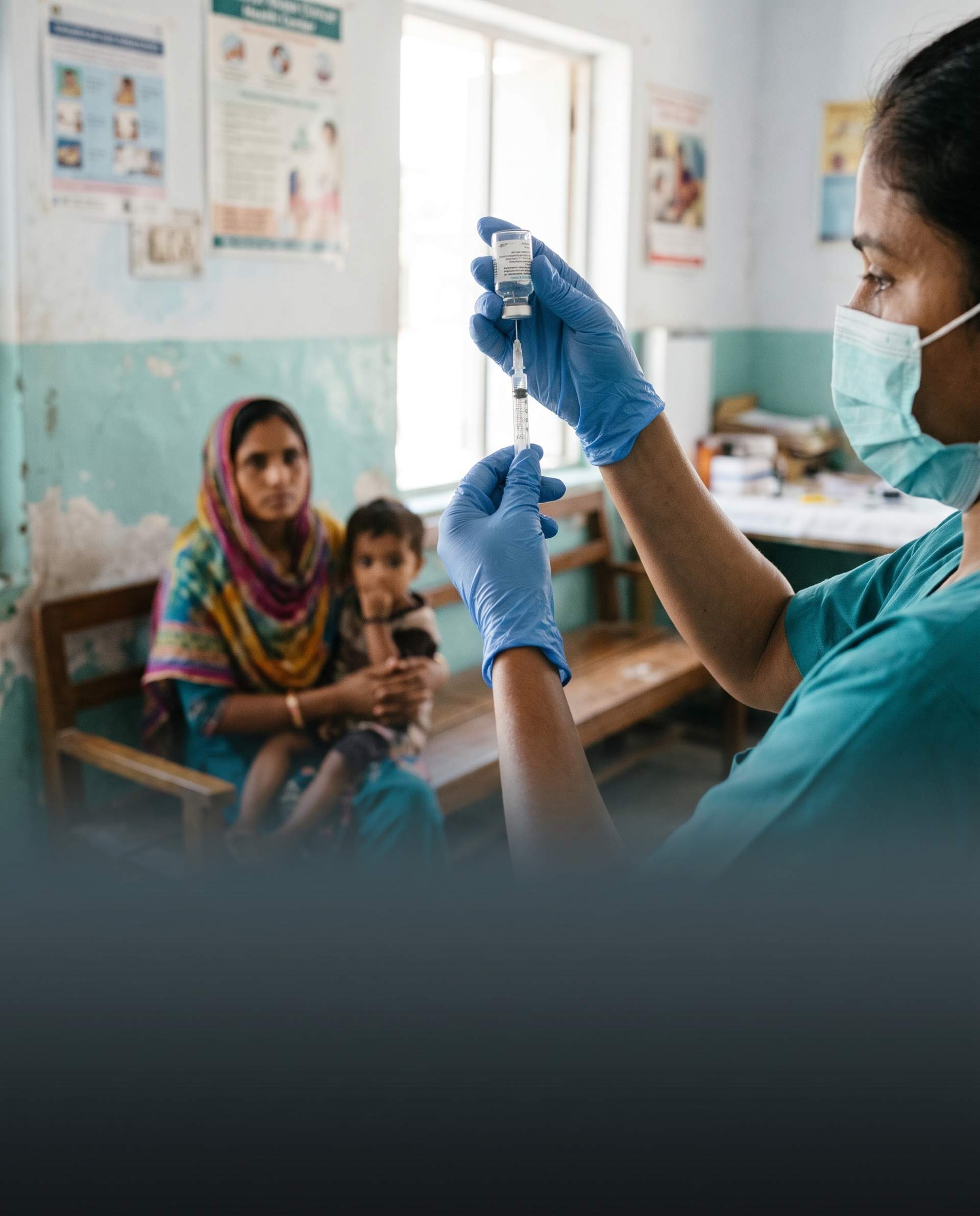
The World Health Organization has granted global prequalification to an advanced, thermally stable typhoid conjugate vaccine, marking a vital breakthrough in public health efforts to shield vulnerable populations from increasingly aggressive, antibiotic-resistant bacterial strains across South Asia and parts of Africa.
The regulatory approval allows United Nations agencies, including UNICEF and Gavi, the Vaccine Alliance, to procure and distribute millions of doses to low-income and middle-income nations facing recurring waterborne disease outbreaks. Developed through collaborative research between global health institutes and South Asian vaccine manufacturers, the new formulation provides long-lasting immunological protection with a single, low-cost injection suitable for infants as young as six months old.
The Rising Menace of Superbug Typhoid
Typhoid fever, caused by the bacterium Salmonella Typhi, infects roughly nine to eleven million people annually and causes more than 110,000 deaths worldwide, with the overwhelming majority of cases concentrated in densely populated urban centers with strained sanitation infrastructure.
In recent years, the medical battle against typhoid has become increasingly precarious due to the emergence of extensively drug-resistant, or XDR, strains. These superbugs have evolved resistance to first-line antibiotics such as ampicillin, chloramphenicol, and co-trimoxazole, as well as critical second-line treatments including fluoroquinolones and third-generation cephalosporins. In several regional hospital wards, doctors have been left with only one expensive, intravenous reserve antibiotic to treat critically ill pediatric patients, raising alarms about the prospect of untreatable bacterial outbreaks.
Clinical trial data published in The Lancet Infectious Diseases demonstrated that the newly approved conjugate vaccine achieves an efficacy rate exceeding 85 percent in preventing culture-confirmed typhoid cases across high-transmission urban environments in Bangladesh, India, and Pakistan.
Why the New Formulation Changes the Landscape
Earlier generations of polysaccharide typhoid vaccines suffered from major clinical and logistical drawbacks. They failed to stimulate long-term immune memory in children under two years of age, required booster shots every few years, and demanded strict cold-chain refrigeration that proved difficult to maintain during transport to remote rural clinics.
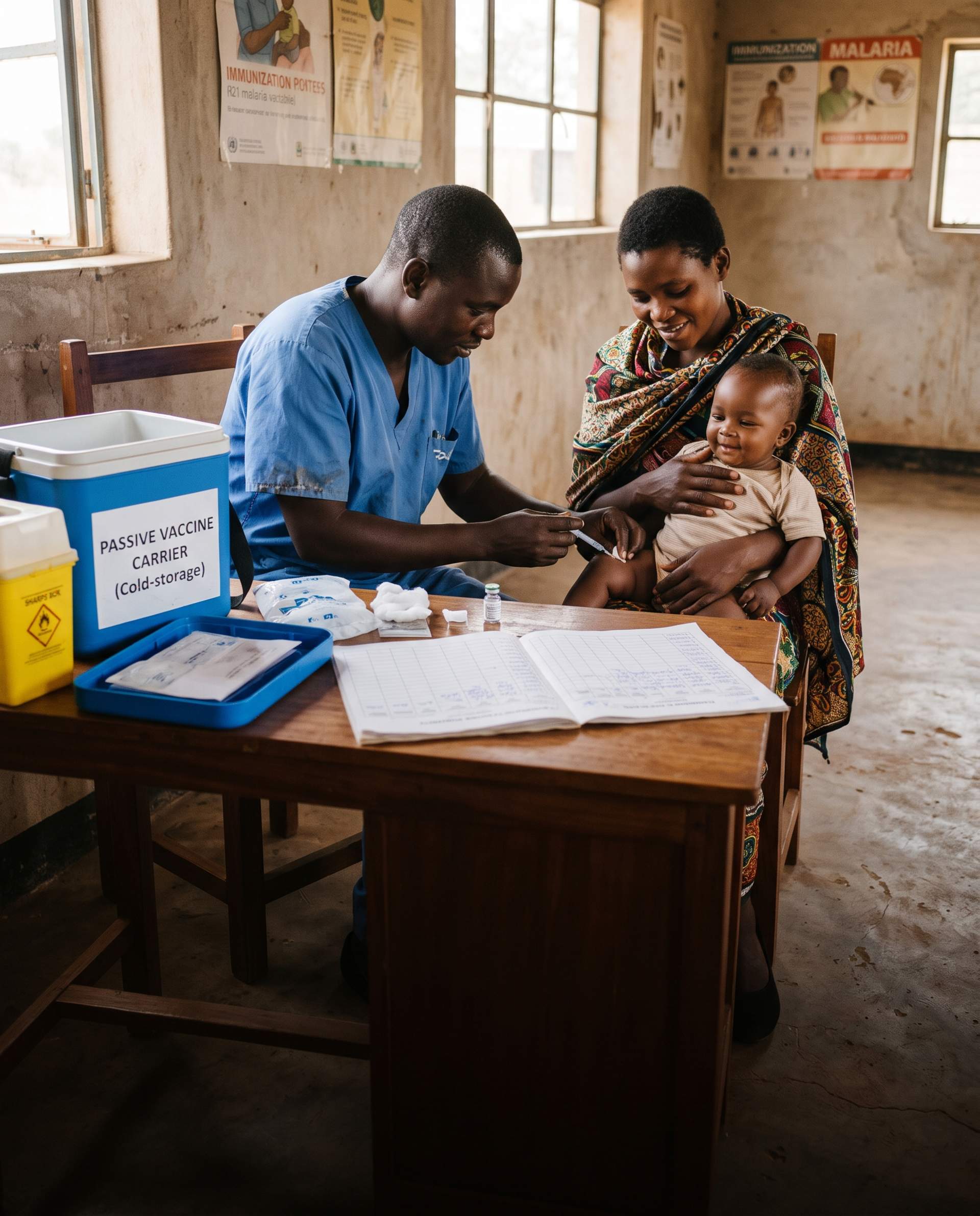
The newly prequalified conjugate vaccine links the bacterial surface sugar to a carrier protein, stimulating a robust T-cell immune response that provides durable protection for children and adults alike. Even more importantly, the vaccine incorporates an advanced stabilizer that permits safe storage at ambient temperatures of up to 37 degrees Celsius for several weeks without losing potency. This thermal tolerance removes the absolute dependence on unbroken electrical refrigeration, allowing mobile healthcare teams to conduct immunization drives in flood-affected districts and isolated communities.
Overcoming the Economic Burden on Families
Beyond its clinical efficacy, the economic relief offered by the vaccine is substantial. Treating an episode of drug-resistant typhoid routinely exhausts household savings in low-income neighborhoods. Hospital admissions, blood cultures, and courses of intravenous carbapenem antibiotics can easily cost hundreds of dollars, pushing families into debt.
By contrast, the prequalified vaccine is priced under two dollars per dose for public sector programs, with Gavi covering the vast majority of procurement costs for qualifying developing nations. Health economists calculate that every dollar invested in universal pediatric typhoid immunization saves more than five dollars in direct medical expenses and lost parental wages.
Transforming Child Health Across Bangladesh
Public health experts in Dhaka, including researchers at the International Centre for Diarrhoeal Disease Research, Bangladesh (icddr,b), hailed the prequalification as a turning point for national healthcare planning. Bangladesh has previously undertaken targeted pilot vaccination campaigns in high-risk municipal zones with remarkable success, demonstrating steep drops in hospital admissions among immunized school children.
With global procurement channels now open, health ministry officials confirmed plans to incorporate the conjugate typhoid vaccine into the national Expanded Programme on Immunization. By providing routine immunization alongside standard childhood vaccines, health authorities aim to establish broad community immunity, dramatically curbing waterborne transmission and preserving the effectiveness of remaining global antibiotic reserves for future generations.

Comments
0