


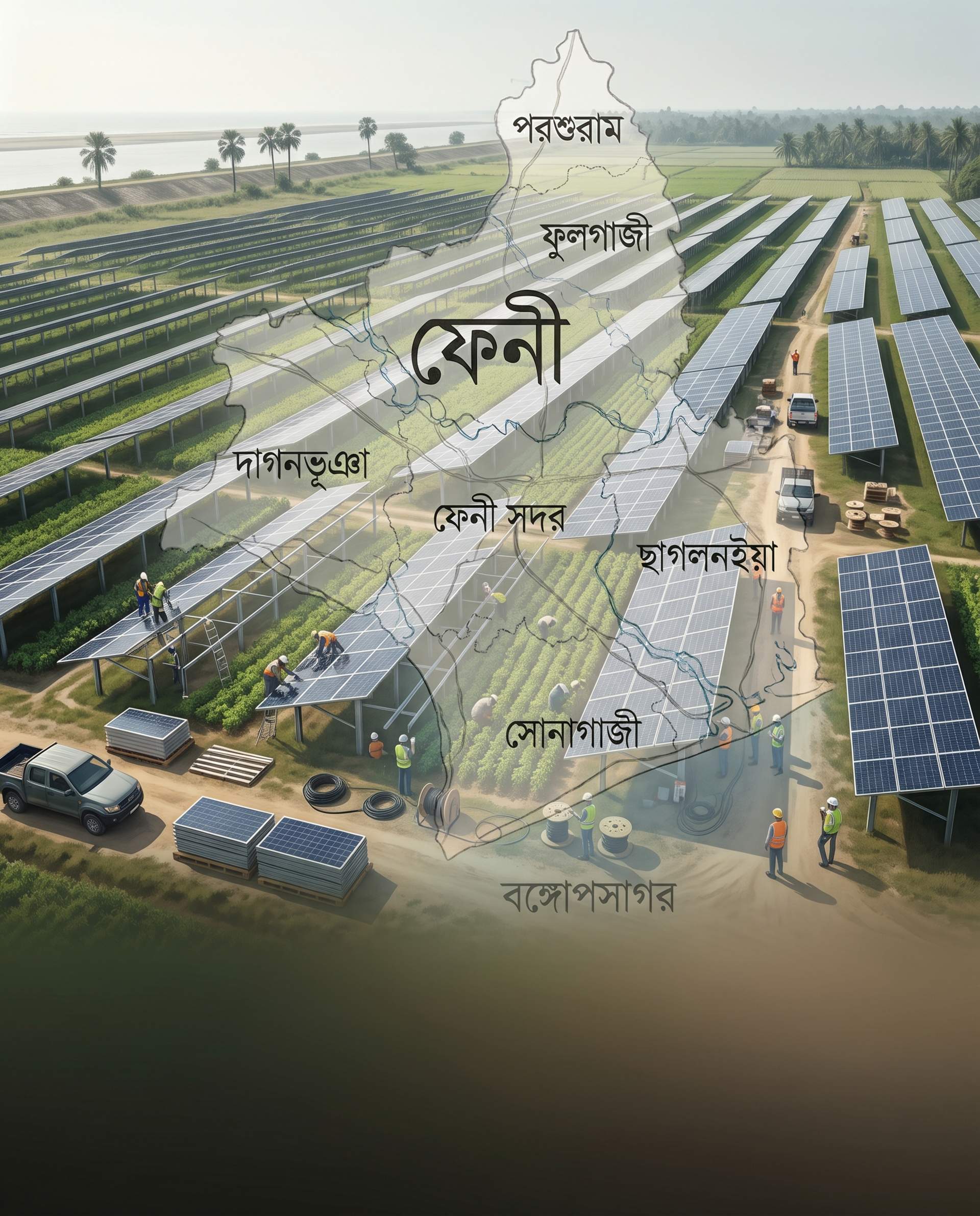
Bangladesh is moving ahead with the construction of a 220-megawatt solar power plant in Sonagazi, Feni, in a major expansion of its renewable energy capacity. The project, estimated to cost Tk1,888.10 crore, is expected to begin supplying electricity to the national grid in June 2028.
Once operational, the plant is projected to generate around 441.18 gigawatt-hours (GWh) of electricity annually. The project is being implemented by Electricity Generation Bangladesh PLC (EGB) under the Power Division, with financial support from the government and the Islamic Development Bank (IsDB).
The project is expected to become the country's largest single solar power facility. Its planned capacity of 220 MW represents a significant addition to Bangladesh's grid-connected renewable energy generation, where large-scale solar development has been constrained by land availability, financing and infrastructure requirements.
A Tk1,888 crore investment
The approved project cost is Tk1,888.10 crore. According to the project's financing breakdown, Tk147.56 crore will come from the Bangladesh government, Tk1,623.63 crore from foreign assistance and Tk116.90 crore from EGB's own funds.
The financing agreement between the Economic Relations Division and the Islamic Development Bank was signed on August 3, 2026.
The project is scheduled for completion by June 30, 2028. The government has already advanced the procurement process for the solar power plant, including the selection of a consultant and an engineering, procurement and construction (EPC) contractor.
The project site is in Purba Bardhali mouza of Sonagazi upazila, on land previously acquired by EGB for solar energy development. The broader land area acquired by the company was approximately 999.65 acres, with an earlier 75 MW solar plant established on 285 acres. The new 220 MW project is planned for a further portion of the available land.
Nearly 470,000 solar panels
The project involves the installation of approximately 469,560 solar photovoltaic (PV) modules, 26 inverters and two substations, including 33/230 kV power transformers.
These components will convert sunlight into electricity and prepare the power for transmission to the national grid. The plant's projected annual generation of 441.18 GWh will depend on sunlight, equipment performance, maintenance and the successful integration of the facility with the electricity network.
The project is expected to supply power through the existing grid infrastructure connected to the Mirsarai area. This connection will be important because generating electricity is only one part of the process: the transmission network must also be able to receive and distribute the additional supply.
The project is therefore not simply a matter of installing solar panels. Its performance will depend on the coordination of generation equipment, substations, grid connections and long-term operations.
Agriculture alongside solar generation
One notable feature of the project is its plan to introduce an agrivoltaic system. This approach allows solar power generation and selected agricultural activities to take place on the same land.
Under this model, solar panels are arranged in ways that can leave space for certain crops or livestock activities. The approach can help make more productive use of land, although its effectiveness depends on panel design, crop selection, sunlight conditions, water management and the needs of local farmers.
For an area such as Sonagazi, the model could offer an opportunity to combine energy generation with local economic activity. However, the benefits will depend on how the system is implemented and whether nearby communities can participate in a meaningful way.
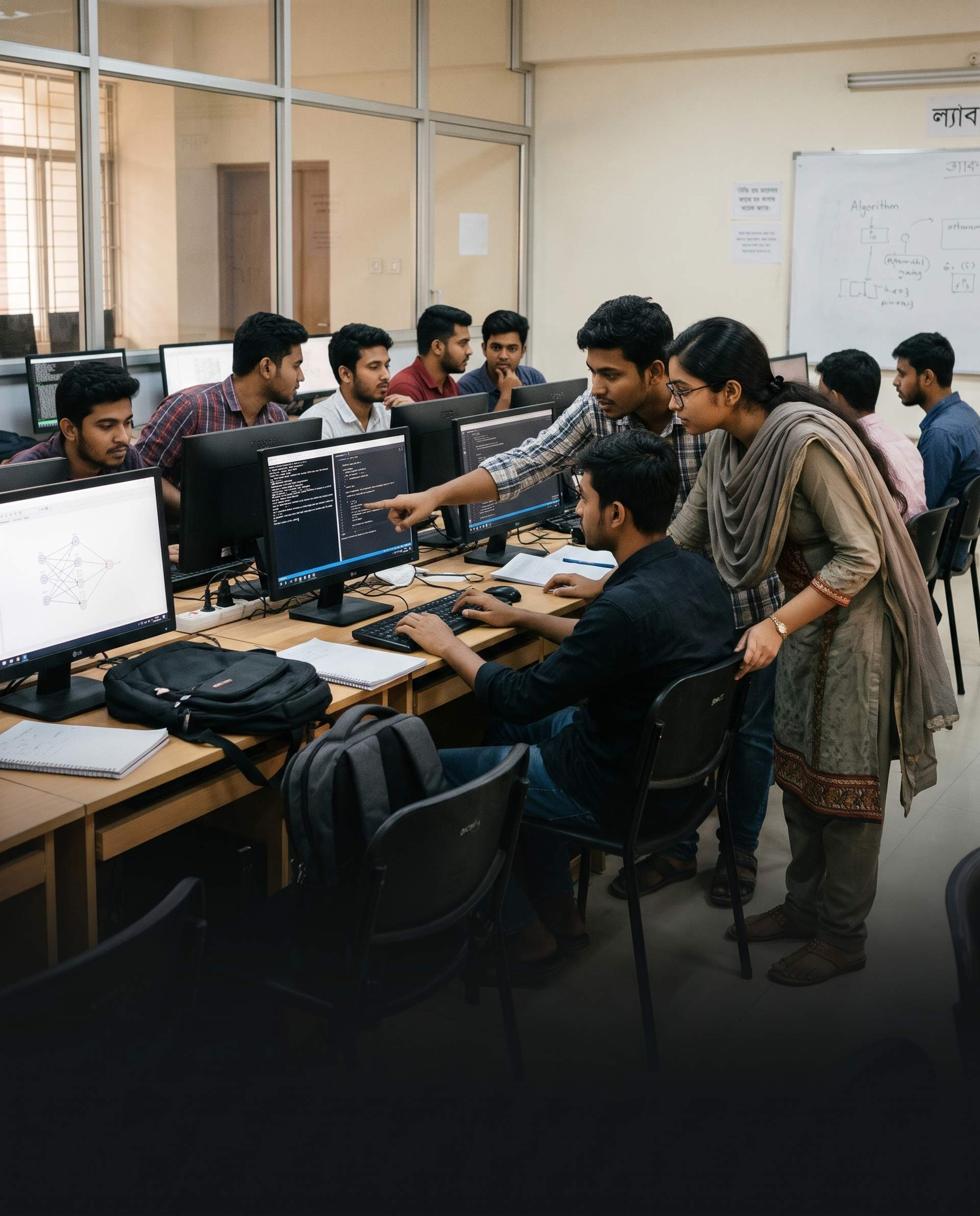
The project also includes livelihood-improvement activities. Plans reported by the project include skills training for around 1,000 unemployed young people and women in areas such as computer and mobile-phone repair and sewing. Other proposed activities include computer laboratories and rooftop solar installations at nearby educational institutions.
These measures could help extend the project's impact beyond electricity generation, provided that training and support programmes are delivered as planned.
Sonagazi could become a larger solar hub
The 220 MW project is part of a wider ambition to develop Sonagazi into a major solar energy centre.
A separate proposal for a 130 MW solar power plant in the area received approval from the Executive Committee of the National Economic Council on September 29, 2026. That project involves acquiring approximately 386 acres of land.
There is also a proposal for a 150 MW floating solar power plant at Muchapur. If these projects are implemented alongside the 220 MW facility, the area could eventually have around 600 MW of planned solar generation capacity.
These are separate initiatives, however, and their proposed capacity should not be confused with electricity already being generated. Each project will require its own approvals, financing, procurement and construction.
What the project means for Bangladesh
The Sonagazi plant could strengthen Bangladesh's electricity supply while increasing the share of renewable energy in the national power mix. Solar generation can reduce reliance on imported fossil fuels and help diversify the sources used to produce electricity.
Its annual output of approximately 441.18 GWh would be a substantial contribution from a single solar facility. But the actual benefit to consumers will depend on the plant's operating performance, the cost of generation, grid readiness and how effectively the electricity is integrated into the national system.
Land use will also remain an important issue for future solar projects. Bangladesh has limited land available for large infrastructure developments, making approaches such as agrivoltaics and floating solar worth examining where they are technically and economically suitable.
For now, the key milestone is the planned completion by June 2028. The progress of procurement, construction, grid infrastructure and local livelihood programmes will determine whether the project meets that target.
The Sonagazi initiative is a major step in Bangladesh's solar expansion. Its longer-term significance will depend not only on whether 220 MW of capacity is installed, but also on how reliably the plant generates electricity and how much benefit reaches the national grid and surrounding communities.



Comments
0