


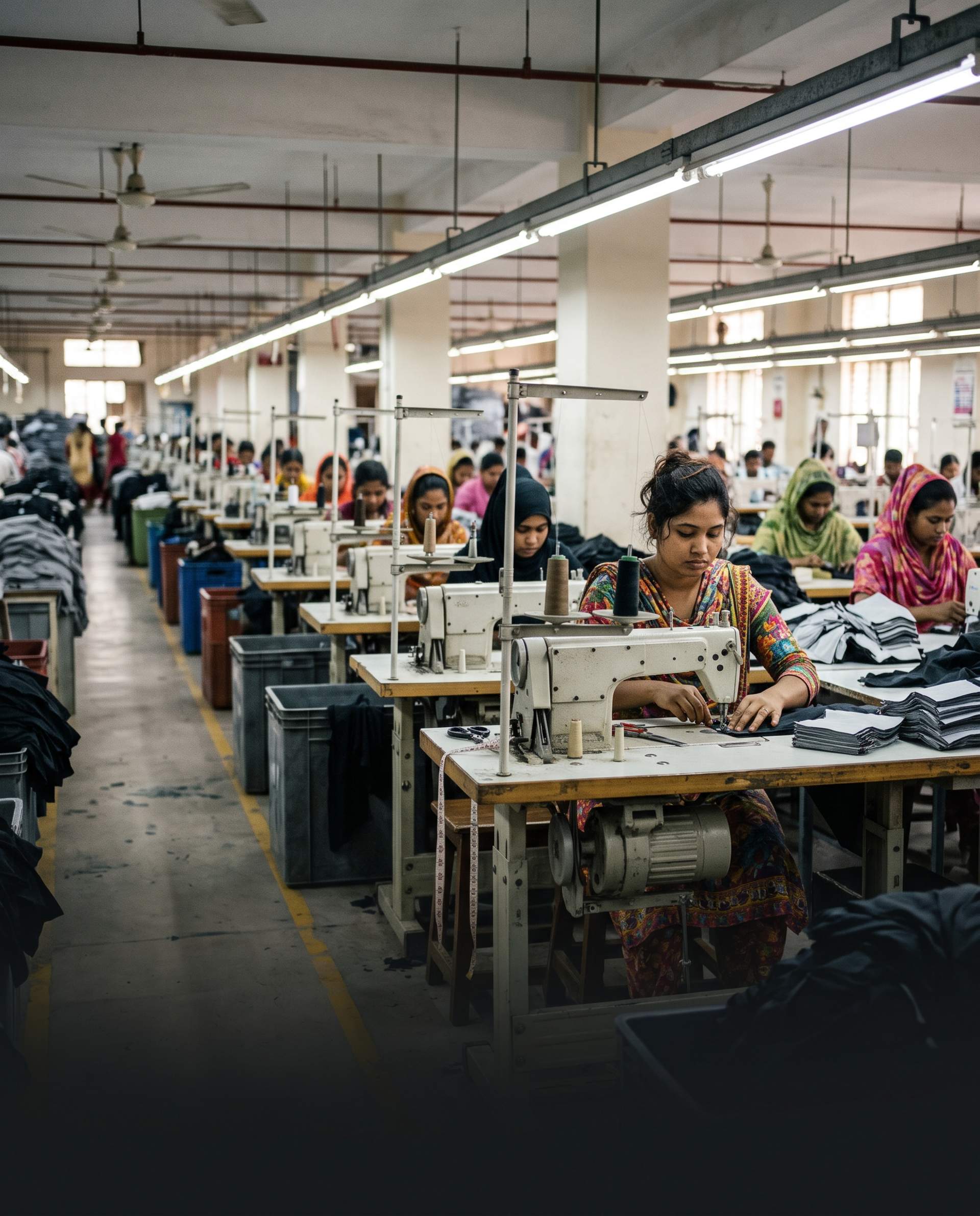
Bangladesh’s garment industry is more than a factory story. It is a central part of the country’s export economy, a major source of industrial employment and a link between millions of workers and consumers around the world. Its success has helped Bangladesh become one of the leading apparel exporters, but the next stage will depend on whether the industry can move beyond low-cost production while improving jobs, productivity and resilience.
The ready-made garment (RMG) sector grew from a relatively small manufacturing base into the country’s dominant export industry over several decades. The International Monetary Fund’s 2026 country report describes how the sector expanded from the late 1970s and reports garment export earnings of about $40 billion in fiscal year 2024–25. The World Trade Organization has also highlighted the sector’s role in export-led development and women’s participation in paid work.
That scale creates both strength and exposure. When global clothing demand is strong, orders can support factories, suppliers, transport companies and workers. When buyers reduce orders, change sourcing countries or delay payments, the effects can move quickly through the supply chain. A sector that accounts for such a large share of exports can bring foreign currency and jobs, but it also leaves the wider economy vulnerable to a downturn in apparel.
Why the industry matters beyond exports
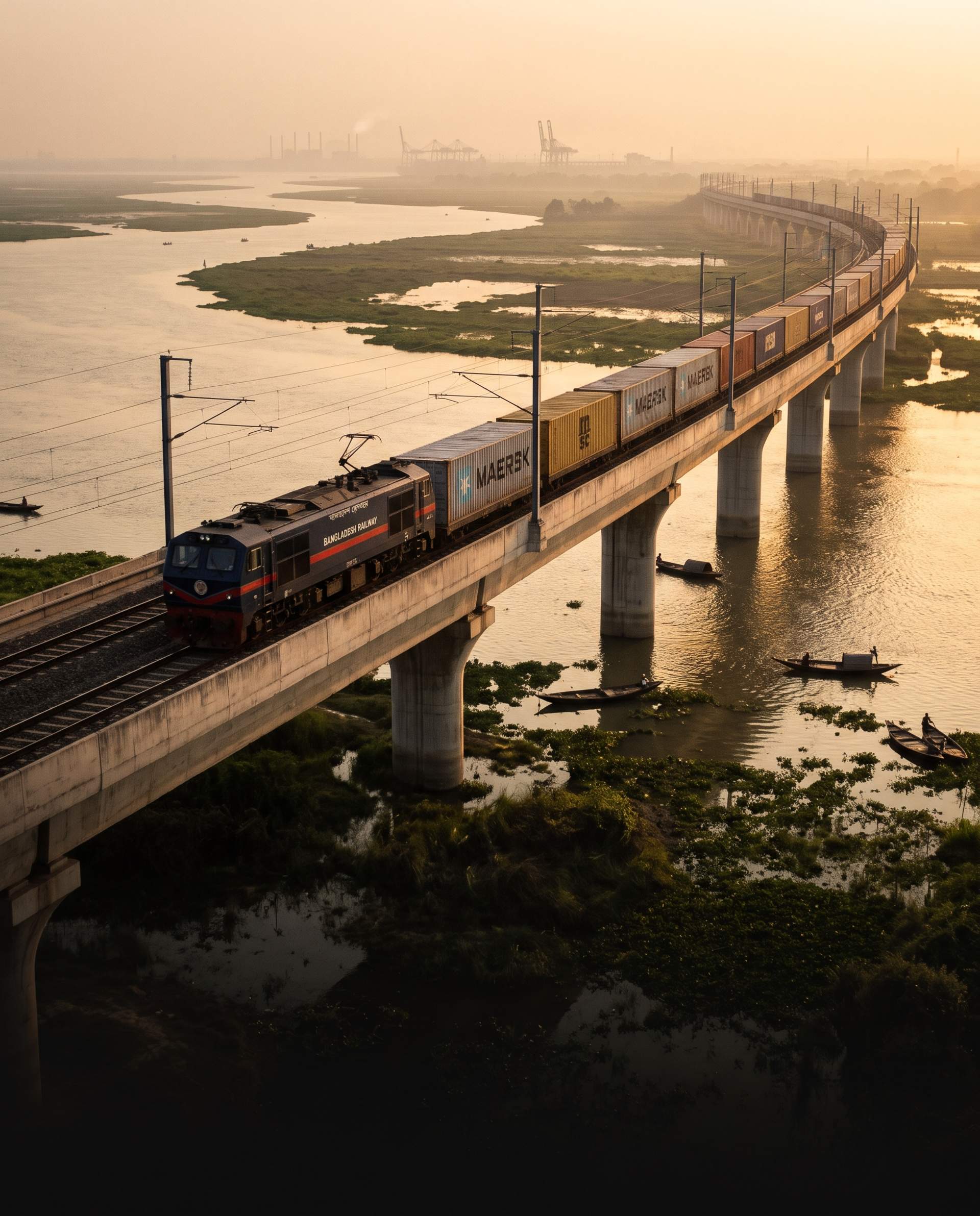
Garment manufacturing connects Bangladesh to a complex international production network. Cotton, yarn, fabric, dyes, accessories, machinery, shipping, finance and retail all contribute to the final product. A shirt made in Bangladesh may be designed in one country, use inputs sourced from several others, be sewn in a local factory and sold by a retailer thousands of kilometres away.
The industry has also changed the labour market, particularly for women. Factory employment has provided many women with access to regular wages outside the home and helped expand their role in the formal economy. That does not mean every job is secure or well paid. Workers’ experiences differ by factory, role, contract, location and bargaining power. The number of jobs alone cannot measure job quality.
A sustainable industry therefore needs more than export growth. Wages must be paid reliably, workplaces must be safe, workers must be able to raise concerns, and employers must comply with labour law. Training and opportunities to move into supervisory, technical and management roles also matter. Better productivity should not be treated as a substitute for workers’ rights; it should help firms compete while supporting better employment.
The pressure to move up the value chain
Bangladesh’s competitive position has traditionally relied on large-scale production, an established supplier base and the ability to make apparel at competitive prices. Those strengths remain valuable, but buyers increasingly assess suppliers on delivery reliability, traceability, environmental performance, labour standards and product quality as well as price.
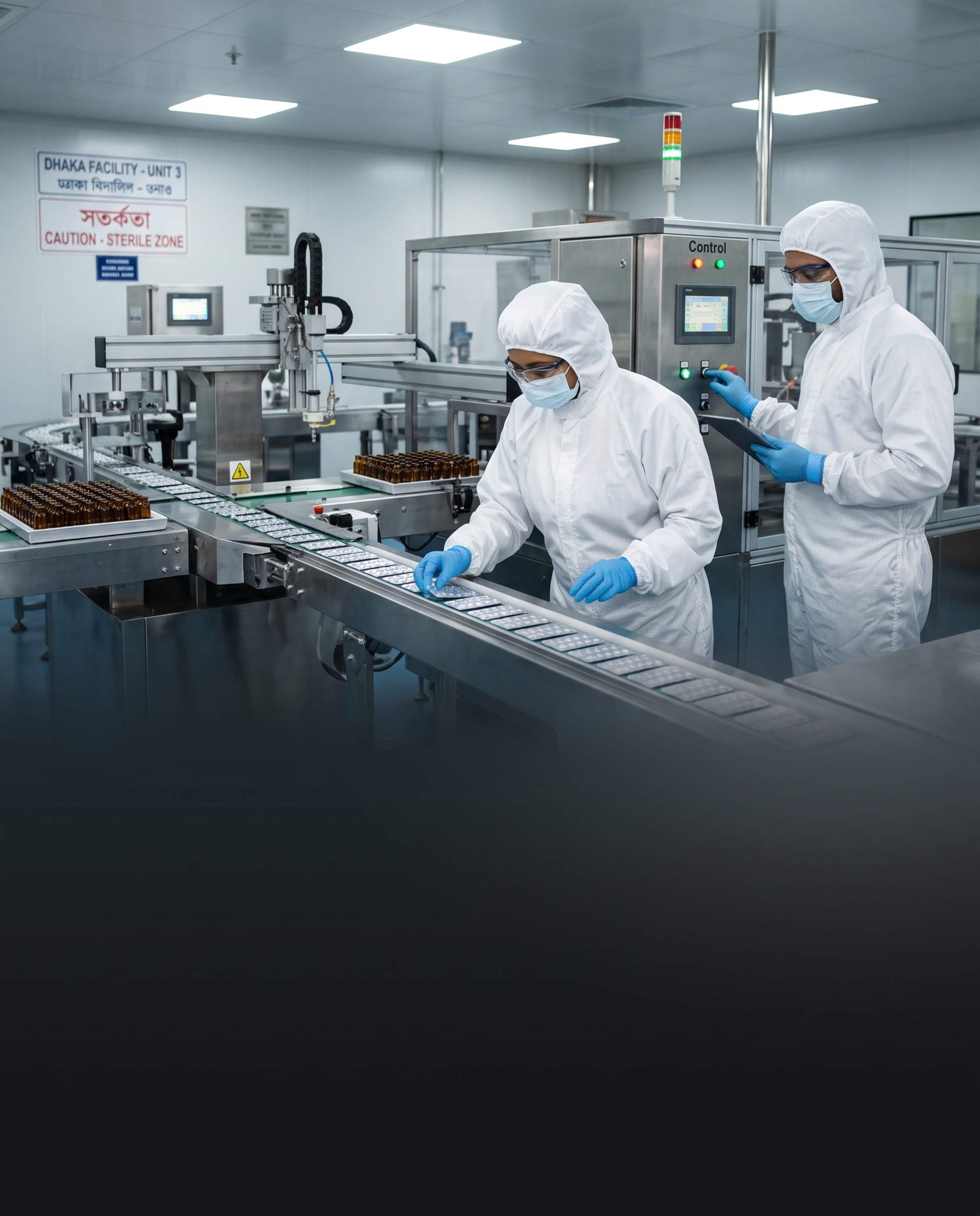
The World Bank’s work on export competitiveness shows why diversification matters. Its project supporting non-garment firms focused on sectors including leather goods, footwear, light engineering and plastics. The bank reported that targeted firms created nearly 180,000 jobs and that 570 firms received support to improve compliance and reach new markets. These results demonstrate that export capabilities can be developed outside apparel, although they do not mean diversification is complete.
Within garments, moving into higher-value products can also reduce dependence on basic items. More complex clothing, technical textiles, design services, faster product development and stronger links with buyers may help factories earn more from each order. Achieving this requires investment in skills, machinery, management systems, research and reliable energy and transport.
Technology and environmental expectations
Automation is changing clothing production, but its effects are not uniform. Some tasks can be mechanised more easily than others. Cutting, fabric handling, inspection and warehouse operations may use more automated equipment, while sewing remains difficult to automate across every fabric and garment type. The outcome will depend on technology costs, product complexity, worker skills and the pace at which buyers change their requirements.
Factories that adopt technology need plans for training and redeployment. If workers are excluded from the transition, productivity gains can create social costs and deepen insecurity. If training is accessible, technology can help workers move into machine operation, maintenance, quality control and other skilled roles.
Environmental performance is another competitive issue. Textile production can consume substantial water and energy and generate wastewater, chemical and solid-waste challenges. Better wastewater treatment, efficient boilers, renewable electricity, material reuse and responsible chemical management can reduce impacts. Certification can help buyers assess a factory, but a label alone is not proof that every environmental or labour problem has been solved.
What will shape the next decade?
The sector’s future will be shaped by decisions made by factory owners, workers, buyers, regulators, banks and educators. Reliable infrastructure and predictable rules can make long-term investment easier. Transparent purchasing practices matter too: buyers that demand higher standards while squeezing prices and delivery times can make compliance harder for suppliers.
Bangladesh also needs to build stronger industries beyond clothing. The World Bank’s export-diversification work suggests that support for quality systems, skills and international standards can help firms in other sectors reach buyers. A broader export base would reduce the risk of relying too heavily on one product category and create opportunities for workers with different skills.
For readers, the key point is that Bangladesh’s garment industry should not be judged only by how many shirts it exports. Its lasting value depends on whether it can create safe and productive jobs, meet changing market expectations, reduce environmental harm and help develop a more diverse economy. The country has built a major position in global apparel. The harder task is turning that position into durable prosperity for workers and businesses alike.


Comments
0