


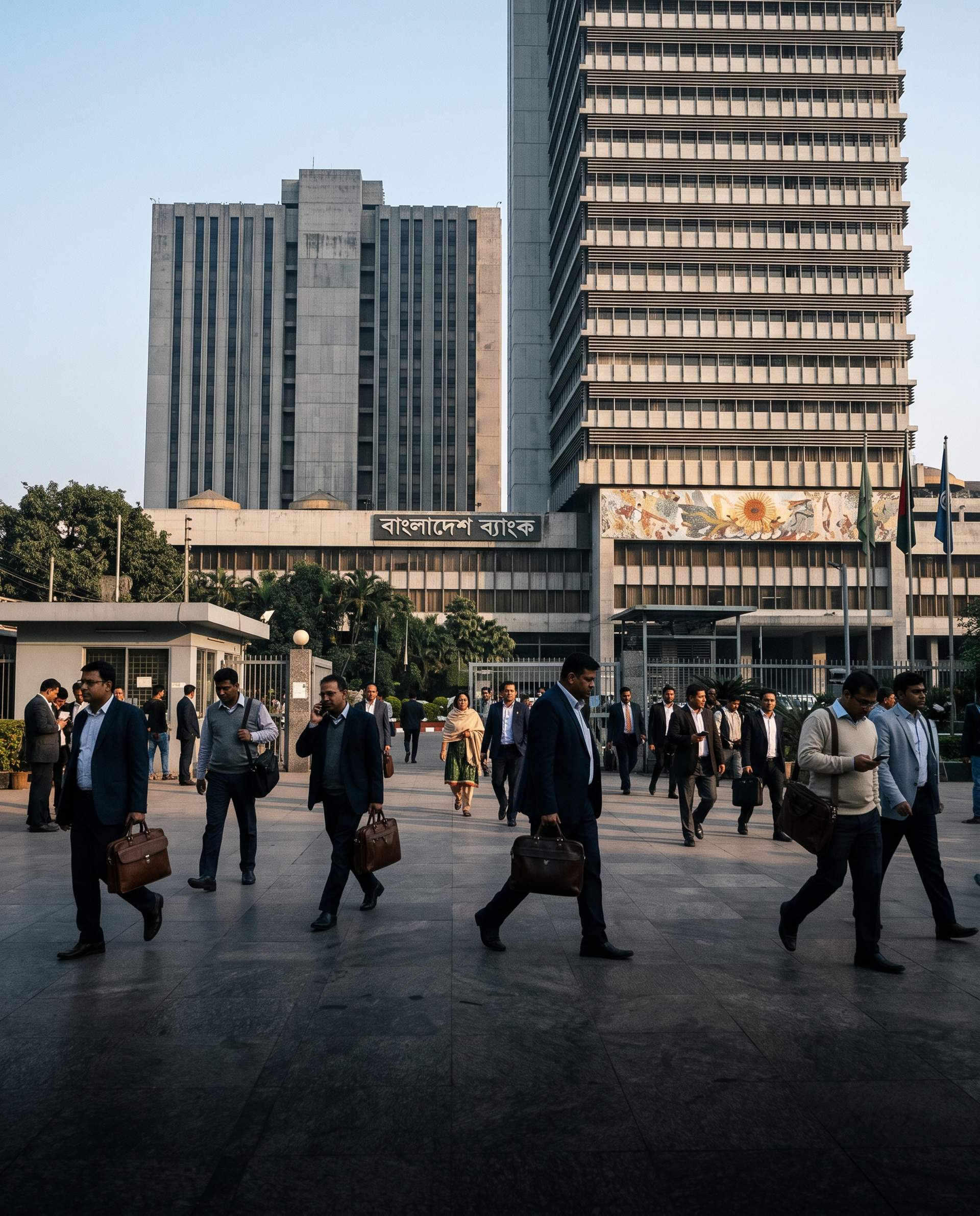
Bangladesh Bank has taken direct regulatory control over multiple struggling commercial and Shariah-based Islamic banks, dissolving their existing boards of directors and appointing experienced independent professionals to safeguard depositor funds and restore stability across the financial sector.
The decisive intervention, announced by central bank officials in Dhaka on Friday, follows months of acute liquidity shortages, governance breakdowns, and large volumes of unrecovered non-performing loans tied to politically connected corporate conglomerates. Under the restructuring orders, the central bank appointed former senior central bankers, experienced chartered accountants, and commercial law experts to form reconstituted boards tasked with conducting immediate forensic audits and unfreezing daily cash withdrawals for ordinary account holders.
Why Central Bank Intervention Became Necessary
Over the past three years, several prominent Islamic and private commercial lenders suffered unprecedented capital erosion. Internal investigations revealed that massive loan volumes had been disbursed to single borrower groups through shell companies, frequently violating established exposure limits and statutory liquidity ratios.
When borrower groups defaulted on repayment schedules, several banks were left with severe cash shortages, forcing them to rely on emergency overnight liquidity assistance from Bangladesh Bank. In branch offices across Dhaka, Chattogram, and Sylhet, ordinary depositors faced frustrating withdrawal restrictions, with tellers unable to honor standard cheques for business payrolls or family medical expenses. The resulting erosion of public confidence prompted a wave of deposit flight, placing severe strain on the broader interbank call money market.
Central bank leadership emphasized that dissolving compromised boards was the only viable legal mechanism to stop insider lending and begin tracking down diverted funds before institutional insolvency worsened.
Immediate Priorities for Newly Appointed Boards
The newly assigned governing boards have been given a clear regulatory mandate with three immediate operational priorities.
First, independent audit teams will perform deep forensic examinations of every loan portfolio exceeding 500 million taka disbursed over the last five years, identifying uncollateralized lending and determining which assets can be seized or restructured through legal debt recovery tribunals. Second, banks will implement aggressive non-funded recovery programs, negotiating settlement schedules with genuine business borrowers while initiating recovery litigation against willful defaulters. Third, the central bank has established a temporary liquidity support window to ensure that branch counters maintain adequate cash reserves to serve retail depositors without delays.
Banking reform officials confirmed that while boards have been reconstituted, existing retail deposits and standard transactional accounts remain fully legally protected under central bank deposit insurance frameworks, which guarantee individual balances up to two lakh taka.
Tracing Diverted Capital and Cross-Border Transfers
Alongside boardroom shakeups, the central bank is partnering closely with the Bangladesh Financial Intelligence Unit and the Anti-Corruption Commission to trace diverted capital. Forensic teams have begun scrutinizing trade-based money laundering channels, examining inflated letters of credit and over-invoiced capital machinery imports that allowed illicit fund transfers abroad over the past decade.
Legal teams are preparing reciprocal legal assistance requests to financial authorities in Singapore, Dubai, and the United Kingdom, seeking to freeze overseas bank accounts and commercial real estate assets acquired using unpaid loans from domestic banks. Central bank officials stressed that holding financial wrongdoers accountable is essential for restoring moral hazard and ensuring that powerful borrowers cannot evade debt obligations with impunity.
Restoring Credibility Across the Financial System
Commercial economists and financial analysts in Dhaka broadly welcomed the move, pointing out that reforming distressed lenders is essential for macroeconomic stability. Without healthy, trustworthy banks, private capital formation dries up, and businesses face steep interest rates that choke domestic investment.
Leaders from the Foreign Investors' Chamber of Commerce and Industry noted that decisive central bank action sends a reassuring signal to international development partners, multilateral lenders, and credit rating agencies. As Bangladesh works to stabilize foreign currency reserves and bring inflation under control, rebuilding institutional integrity across the banking industry remains the foundational prerequisite for sustainable national economic growth.




Comments
0