


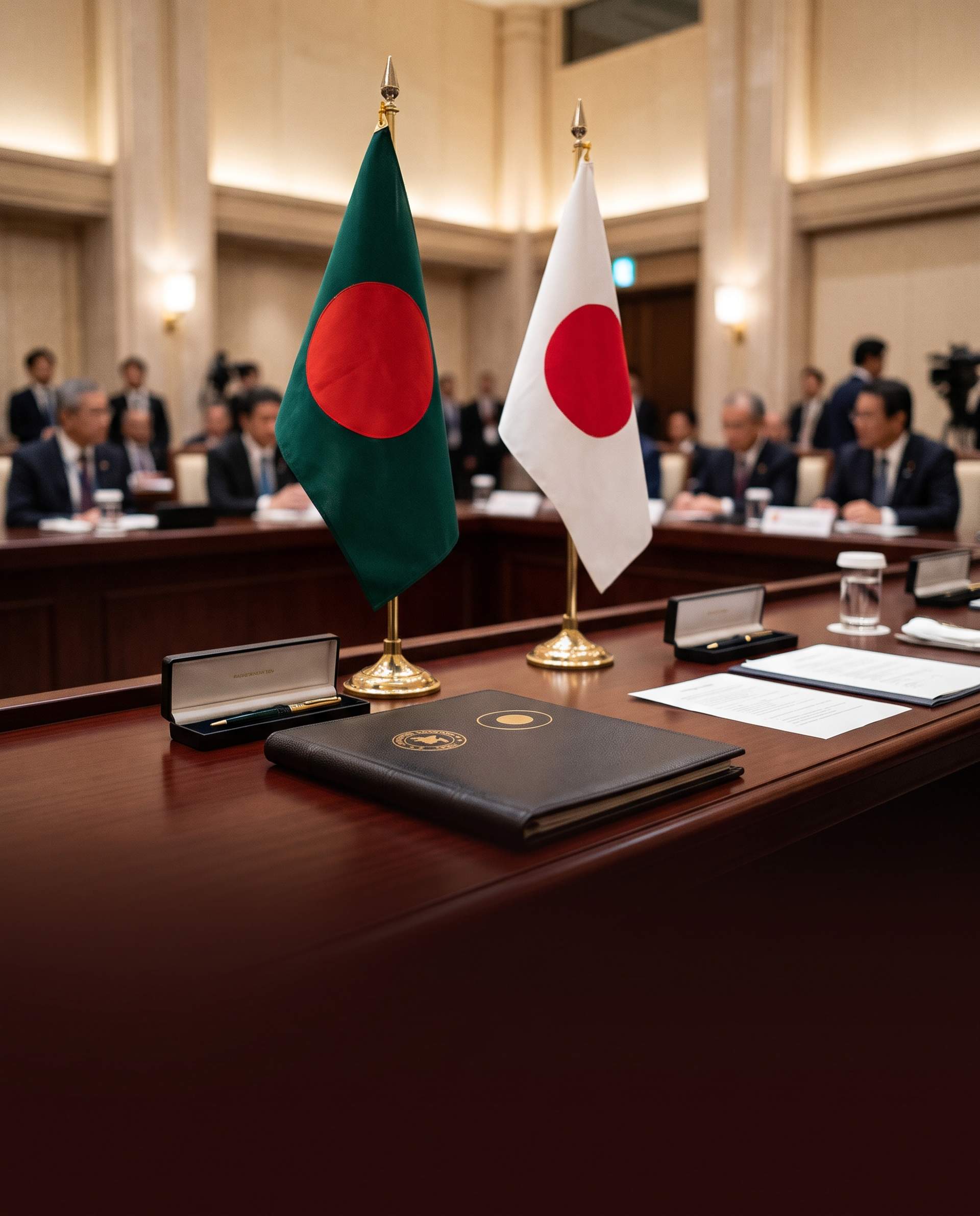
Trade negotiators from Bangladesh and Japan have wrapped up their final technical meetings on a landmark Comprehensive Economic Partnership Agreement. The deal creates a bilateral trade pact designed to protect Bangladeshi exporters from heavy tariffs as the country prepares to leave the United Nations Least Developed Country category.
The conclusion of talks between Bangladesh's Ministry of Commerce and Japan's Ministry of Economy, Trade and Industry sets the stage for a formal signing ceremony in early 2027. Known as a CEPA, it marks the first time Bangladesh has negotiated a modern, comprehensive trade deal with a major industrialized nation. The pact covers everything from import duties and service markets to patent protections, government tenders, and business investment rules.
Protecting Exports After LDC Graduation
The biggest reason Dhaka pushed hard to finish this agreement is Bangladesh's scheduled graduation from Least Developed Country status in late 2026. Right now, as a developing nation, Bangladesh enjoys duty-free and quota-free entry into the Japanese market under special trade preferences.
Once graduation takes effect, those preferences disappear. Without a bilateral deal, standard international tariffs would snap into place, adding taxes of 8 to 12 percent on Bangladeshi clothing, shoes, and leather goods entering Japan. That would make local goods much harder to sell against competitors like Vietnam, which already enjoys zero-tariff deals with Tokyo through regional trade partnerships.
Under the terms agreed upon in the final talks, Japan will keep zero-duty entry for more than 90 percent of Bangladeshi products. Key items like knitwear, woven garments, frozen seafood, ceramics, and leather goods will keep their duty-free status without interruption. In exchange, Bangladesh will gradually lower import taxes on Japanese factory machinery, industrial steel, electronic equipment, and car parts over an eight to twelve year period.
Attracting Japanese Factories and Capital
The agreement goes beyond basic import and export numbers. A big part of the text focuses on helping Japanese companies set up manufacturing plants directly inside Bangladesh.
More than 300 Japanese firms already do business here, with many based in the dedicated Japanese Economic Zone in Araihazar and around the new deep-sea port at Matarbari. For years, Japanese business owners have pointed out that slow paperwork, complicated port clearance, and hurdles with sending profits home made expanding difficult.
The new trade deal includes firm legal protections for foreign investors, faster customs processing through single digital windows, and clear rules for moving profits abroad. Japanese officials noted that these guarantees will encourage bigger investments in automobile assembly, solar energy equipment, pharmaceuticals, and agricultural processing.
Working to Balance Bilateral Trade
Trade between the two nations has grown steadily, crossing four billion dollars a year. But the balance still leans heavily toward Japan, which sells expensive machinery, vehicles, and raw steel while buying mostly apparel from Bangladesh.
Economists in Dhaka say the true success of the agreement will depend on whether local businesses can diversify what they make. The deal includes special chapters for sharing technical know-how, training industrial workers, and setting up joint research programs in precision engineering, software, and green tech.
By bringing Japanese training into local vocational schools and technical universities, the initiative aims to build a skilled workforce capable of handling modern automotive assembly, high-speed rail maintenance, and clean energy installation.
A Stepping Stone for Future Trade Deals
Finishing these talks with Japan gives Bangladesh an essential roadmap as it begins similar negotiations with South Korea, Singapore, Indonesia, and the European Union.
With automatic trade discounts coming to an end, active economic diplomacy is Bangladesh's best way to keep its factories running, bring in modern technology, and protect good manufacturing jobs for millions of workers in the years ahead.


Comments
0