

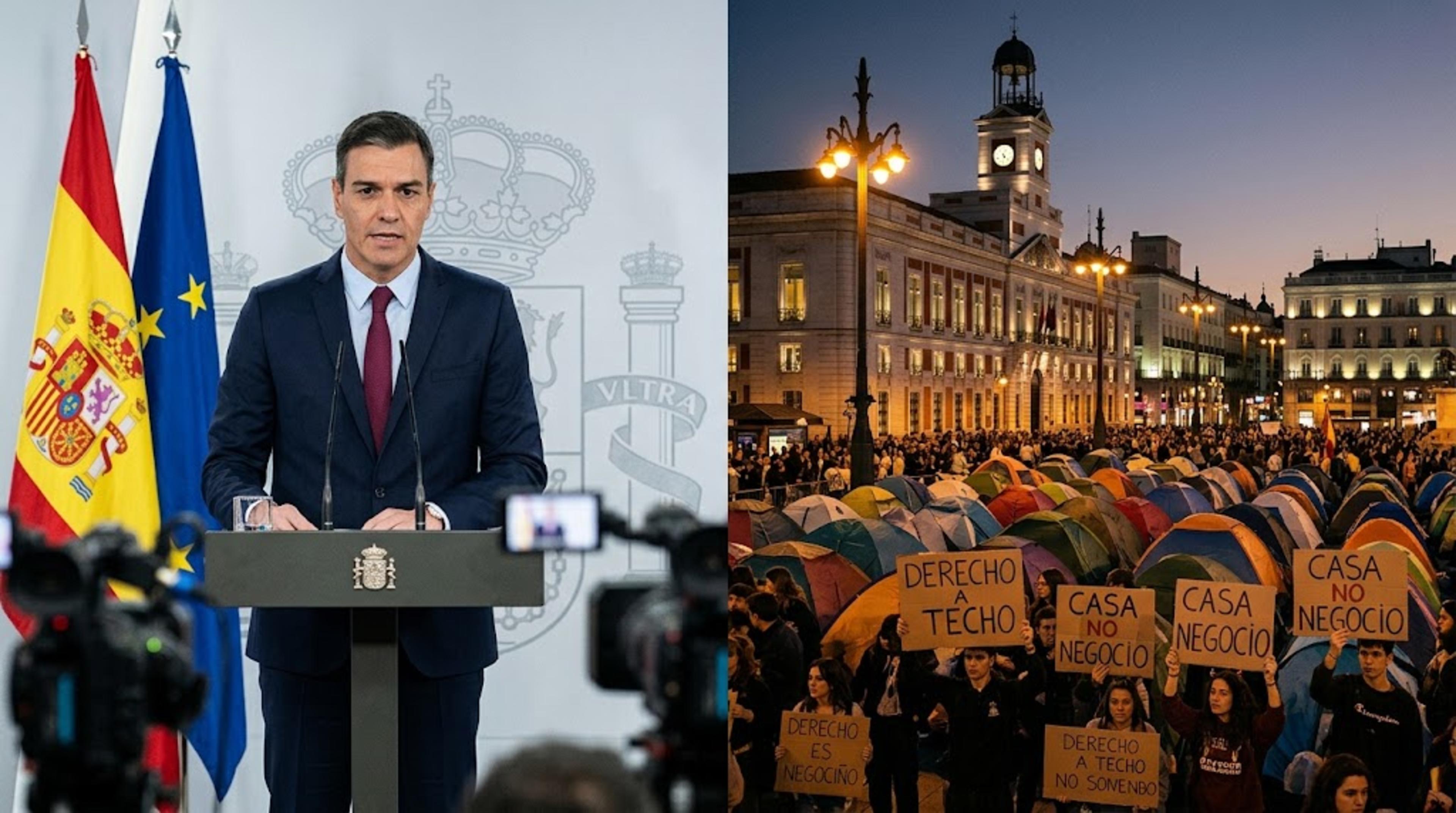
A Spain snap election will take place on Sunday, November 29, after Socialist Prime Minister Pedro Sánchez dissolved parliament on Monday following the defeat of his government's emergency housing package and days of mass street protests across the country.
Speaking in an institutional address from La Moncloa Palace in Madrid on October 5, Sánchez brought forward a national vote that had not been due until 2027. The decision came three days after conservative and Catalan nationalist lawmakers joined forces in the Congress of Deputies, Spain's lower house of parliament, to strike down two royal decree-laws designed to freeze evictions and curb real-estate speculation.
"It is up to you now," Sánchez told voters during his televised remarks, according to The Guardian. By calling a snap vote, one of Europe's longest-serving progressive leaders is making a high-risk political gamble: betting that public fury over unaffordable rents will rally left-wing voters and prevent a conservative coalition from taking power.
How One Madrid Eviction Sparked a National Revolt
The political crisis that toppled Spain's legislative calendar began on September 23 in a downtown Madrid apartment building. That morning, courts enforced the eviction of 87-year-old María del Carmen Abascal from the flat where she had lived for seven decades after a real-estate investment company purchased the property.
Abascal's removal had been made possible earlier in the year, when opposition parties voted in April 2026 to end a pandemic-era moratorium on vulnerable tenant evictions. Footage of the 87-year-old being forced from her home turned her into an overnight symbol of Spain's deepening affordability squeeze, where surging tourist rentals, institutional property buying, and stagnant wages have priced young workers and pensioners out of major cities.
Within days of the eviction, protesters pitched tents in Madrid's Puerta del Sol, the capital's central plaza. By September 30, the Madrid encampment had grown past 1,200 tents, according to PBS NewsHour, while solidarity camps sprang up in Barcelona's Plaça de Catalunya and Málaga's Plaza de la Constitución.
Comments
0Join the discussion
You must be logged in to leave a comment.