


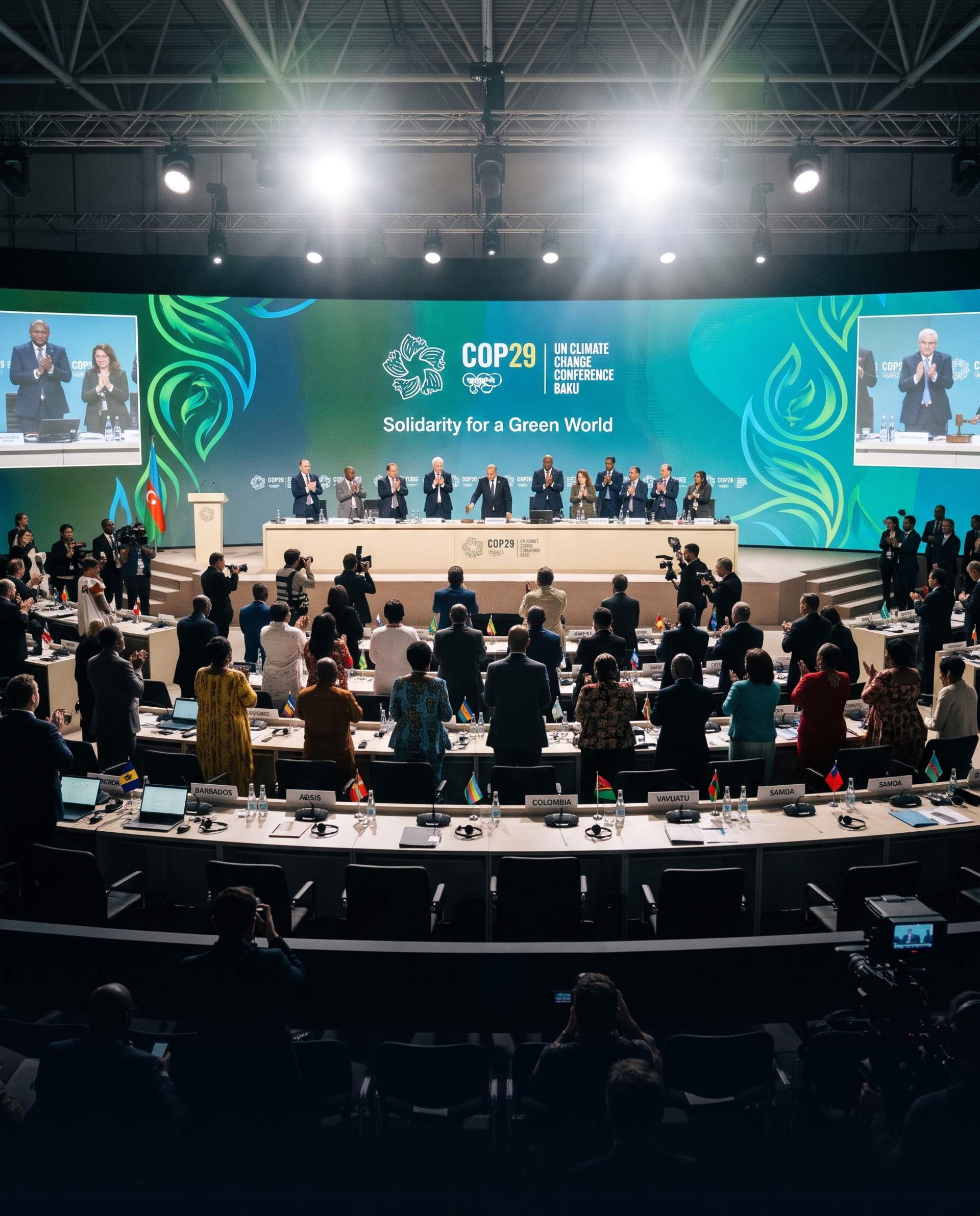
Following two weeks of grueling around-the-clock negotiations that stretched into a dramatic weekend overtime session, diplomats from nearly two hundred nations at the COP29 UN Climate Summit in Baku have officially adopted a landmark agreement establishing a new global climate finance target of 300 billion dollars annually by 2035.
The hard-won accord, formally known as the New Collective Quantified Goal on Climate Finance, replaces the expired one-hundred-billion-dollar annual commitment made in Copenhagen fifteen years ago. The new framework commits industrialized developed nations to take the lead in mobilizing public and private financial resources to assist developing and climate-vulnerable countries in building sea walls, restoring river estuaries, weathering extreme meteorological shocks, and transitioning domestic electrical networks toward renewable energy.
High-Stakes Diplomatic Compromise in Overtime Plenary
The final consensus emerged only after tense eleventh-hour diplomatic interventions resolved deep philosophical divisions between wealthy Western donors and developing nation blocs. Throughout the fortnight of talks, negotiating coalitions representing the Least Developed Countries, the Alliance of Small Island States, and the African Group held firm for a target exceeding one trillion dollars annually, pointing to empirical economic data documenting hundreds of billions in direct losses caused by climate extremes each year.
Developed nations, constrained by domestic fiscal pressures and political volatility, initially resisted targets exceeding two hundred billion dollars. The final three-hundred-billion-dollar compromised text, brokered under the guidance of the Azerbaijani COP presidency, established a binding roadmap while simultaneously setting an aspirational global mobilization target of 1.3 trillion dollars per year by 2035 through blended multilateral development bank lending, private capital mobilization, and innovative carbon pricing mechanisms.
Direct Implications for Climate-Vulnerable Bangladesh
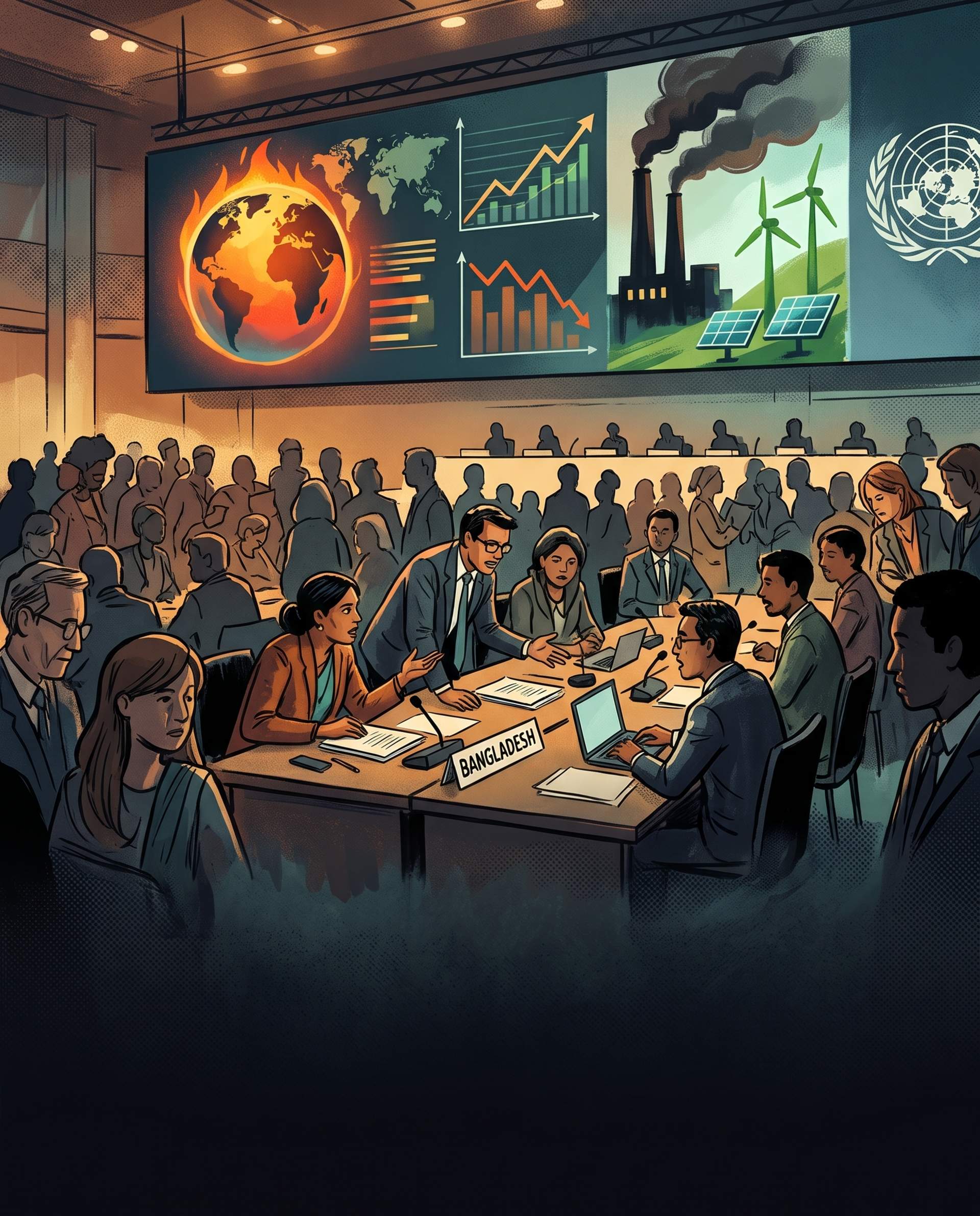
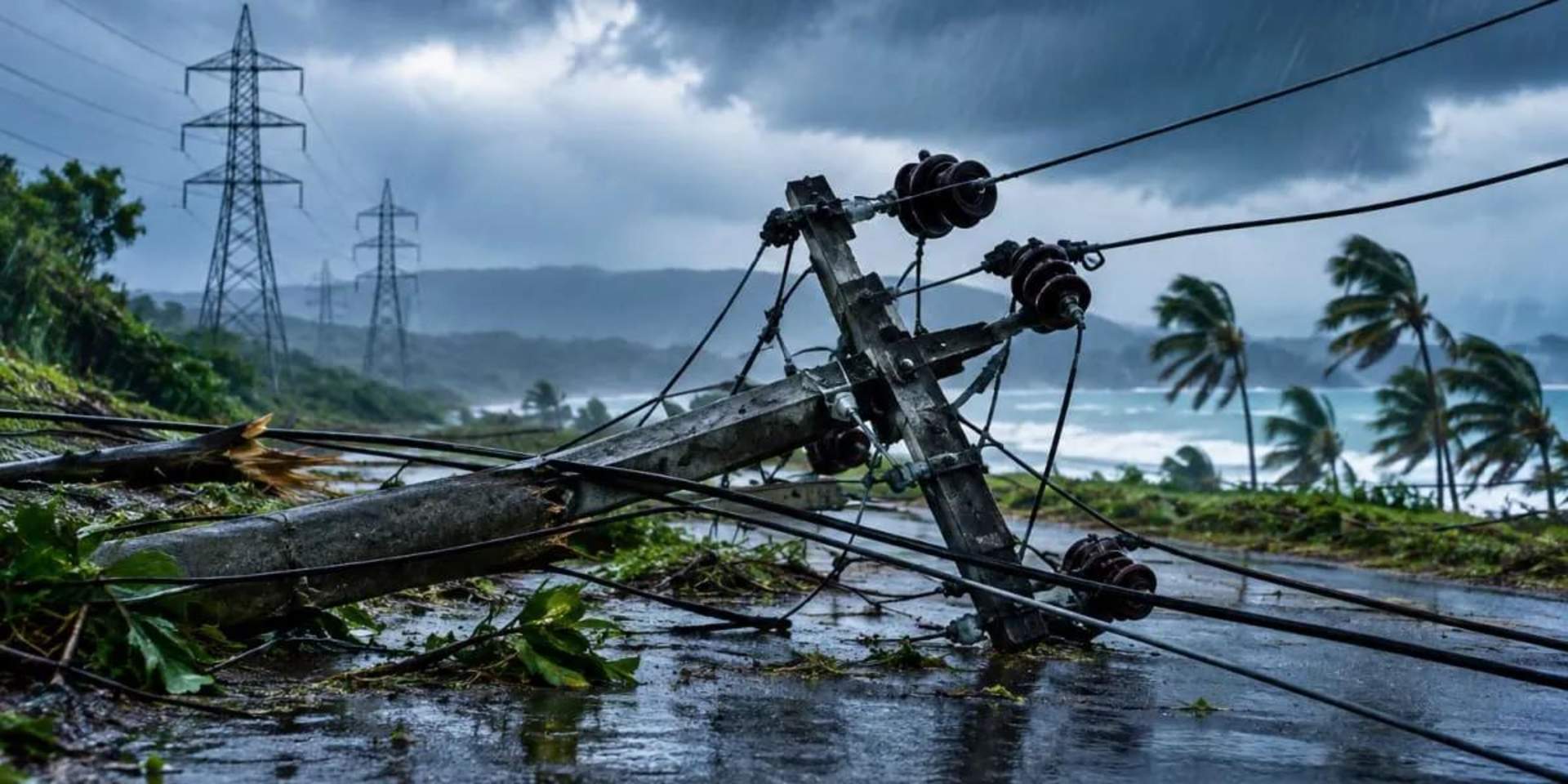
For front-line climate-impacted countries like Bangladesh, where rising sea levels, salinization of coastal agricultural lands, and severe tropical cyclones displace thousands of rural families every year, the Baku pact carries immense practical and economic significance.
The agreed treaty text includes explicit language prioritizing grant-based and highly concessional financing for adaptation projects in Least Developed Countries. Crucially, this provision protects vulnerable nations from being forced to take on expensive commercial loans that exacerbate sovereign debt burdens to repair infrastructure damaged by external climate shocks.
Bangladesh delegation officials emphasized that access to predictable, streamlined funding will enable the immediate acceleration of the National Adaptation Plan, financing concrete polder reinforcements along coastal districts in Khulna, Bagerhat, and Satkhira, alongside urban drainage upgrades across coastal port cities.
Carbon Market Standards and Multilateral Bank Reforms
Another crucial breakthrough secured at COP29 was the long-delayed finalization of Article 6 rules governing centralized international carbon markets. The agreed guidelines create a rigorous, transparent crediting mechanism that prevents double-counting and allows countries to trade verified emissions reduction units.
Developing nations can now generate certified carbon credits by preserving tropical mangrove forests, expanding agroforestry, and installing grid-scale solar parks, selling those credits to industrialized nations and corporate buyers. Parallel reforms agreed among multilateral development banks, including the World Bank and Asian Development Bank, will expand their collective lending headroom by an additional one hundred twenty billion dollars over the coming decade through balance-sheet optimization and innovative catastrophe risk guarantees.
Operationalizing the Loss and Damage Fund
Parallel to the core finance goal, the summit took major strides in operationalizing the independent Loss and Damage Fund established at previous climate meetings. The governing board of the fund signed formal host agreements with the World Bank, clearing administrative bottlenecks and enabling the direct disbursement of emergency disaster-relief grants to communities stricken by sudden-onset climate catastrophes, such as flash floods and super cyclones.
Donor governments made additional pledge commitments exceeding seven hundred million dollars during the summit to capitalize the initial grant-making pipeline, ensuring that relief funds reach displaced coastal families within days of severe weather occurrences.
An Urgent Call for Immediate Implementation
While environmental advocacy organizations and youth activists cautioned that 300 billion dollars remains modest relative to the staggering scale of global planetary warming, international diplomats hailed the Baku agreement as a vital triumph for multilateral diplomacy in a fragmented world.
With global temperature records tumbling continuously and catastrophic weather events devastating communities across every inhabited continent, the Baku financial pact establishes the indispensable economic architecture needed to fund planetary resilience, providing climate-vulnerable nations with the vital resources required to safeguard their people, their lands, and their future.


Comments
0