

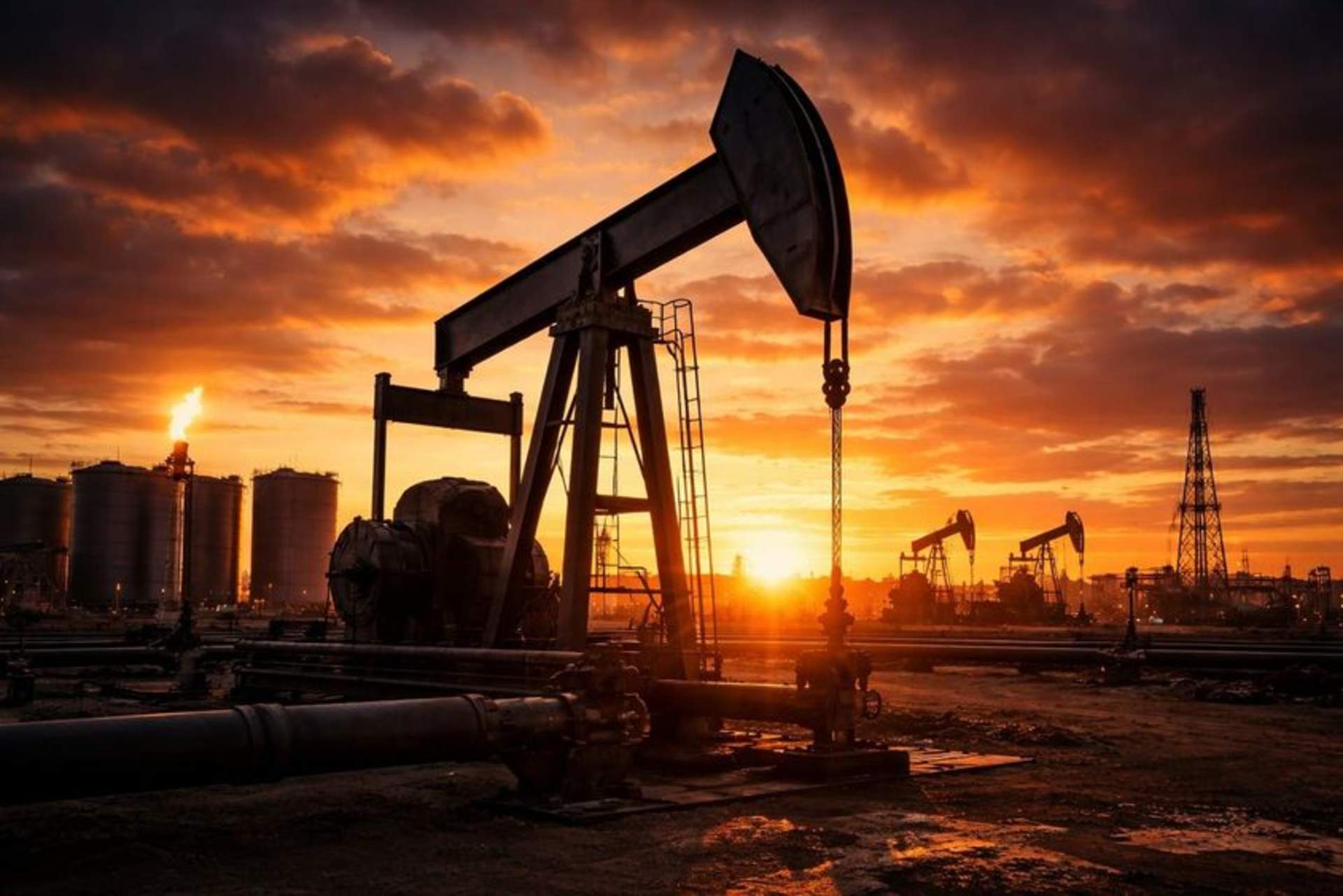
Global oil prices climbed again on October 22 as escalating tensions in the Middle East heightened concerns about energy supplies, putting renewed pressure on countries that depend heavily on imported fuel, including Bangladesh.
Brent crude, the international oil benchmark, rose 1.77% to $110.75 a barrel, while US West Texas Intermediate (WTI) gained 1.47% to $98.58, according to Reuters. The gains followed attacks attributed to Yemen's Iran-aligned Houthi movement on Saudi targets and growing concern that the regional conflict could disrupt oil production and shipments.
The immediate concern is not simply the price of crude oil. A prolonged period of expensive energy can raise the cost of transporting goods, running factories and producing electricity. For Bangladesh, where imported petroleum plays an important role in the economy, sustained increases could add to existing pressure on businesses, public finances and household budgets.
Why the oil market is rising again
Oil markets respond to both actual supply disruptions and the risk that future supplies could become harder to obtain.
Recent attacks on Saudi infrastructure have added to concerns about the security of energy production and transport in the region. Reuters reported that the latest price increase came amid escalating regional tensions, including attacks on Saudi targets and fears of wider disruption.
The Strait of Hormuz is another important factor in the wider energy picture. The narrow waterway between Iran and Oman is a major route for shipments of oil and other energy products from Gulf producers. Any sustained disruption to shipping through the area could complicate deliveries and increase transportation costs.
However, higher prices do not automatically mean that global oil supplies have been cut by the same amount. Markets can rise when traders anticipate a possible shortage, even before the full impact on physical shipments becomes clear.
That distinction matters. Prices may retreat if tensions ease and shipping continues normally. They could remain elevated or climb further if attacks expand, exports are interrupted or buyers compete for limited supplies.


Comments
0Join the discussion
You must be logged in to leave a comment.