

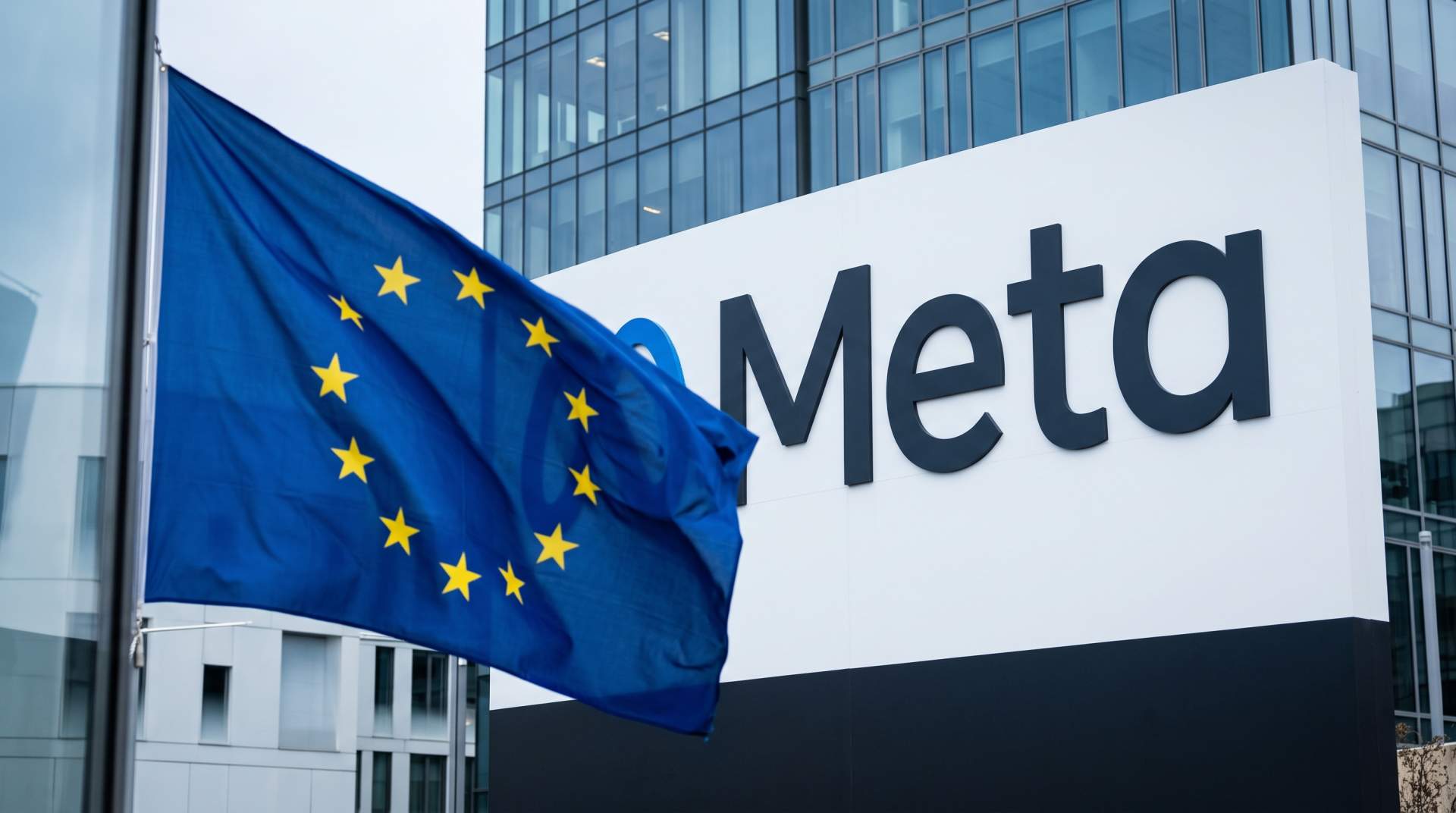
A historic €2 billion Meta EU privacy fine was formally issued on Friday, penalizing the technology giant for systematically combining user data across Facebook, Instagram, and WhatsApp without explicit consumer consent.
The European Data Protection Board announced the penalty following a multi-year investigation into the company's data architecture. Regulators determined that Meta violated core provisions of the General Data Protection Regulation by forcing users to accept broad terms of service that allowed their behavioral data to flow freely between its standalone applications. This cross-pollination of user activity allowed the company to build highly detailed advertising profiles that competitors could not match.
Under the new ruling, Meta must implement strict data silos within six months. The company is now required to provide European users with a clear, highly visible opt-in mechanism before linking their activity across different platforms. If a user declines, the company must still provide full access to the individual services without degrading performance or limiting features.
Impact on Digital Advertising
The mandated structural changes strike directly at the core of Meta's digital advertising engine. By pooling data from Instagram interactions, WhatsApp metadata, and Facebook engagement, the company historically offered advertisers an unparalleled level of precision targeting.
Severing those connections forces the advertising algorithms to operate with less context. Financial analysts warn that this reduction in data density could lower ad conversion rates in Europe, which remains one of the company's most lucrative regional markets.
Meta indicated it will immediately appeal the decision to the European Court of Justice. In a brief corporate statement, the company argued that its data practices are necessary to provide personalized experiences and maintain platform security. However, legal experts note that European courts have consistently upheld stringent interpretations of data privacy laws when facing appeals from major technology firms.
The ruling also sets a powerful precedent for other regulatory bodies globally. As lawmakers in North America and Asia observe the European Union's aggressive enforcement tactics, digital privacy advocates are pushing for similar data separation mandates to limit the market power of consolidated technology ecosystems.




Comments
0Join the discussion
You must be logged in to leave a comment.