

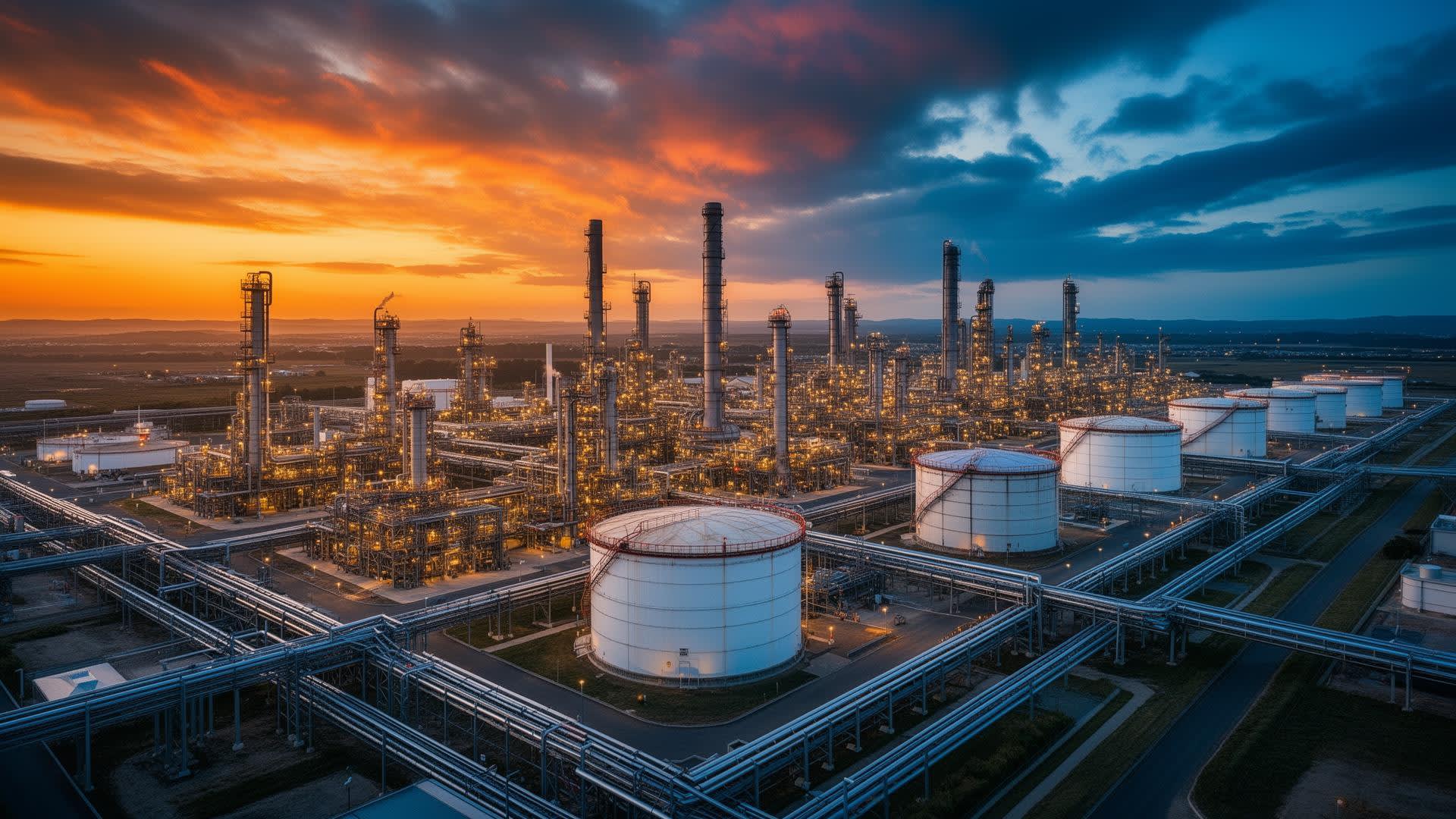
The global economy is continuing to grow, but rising energy costs, geopolitical tensions and uncertainty surrounding artificial intelligence are making the outlook more fragile, the International Monetary Fund warned this week.
In its October 2026 World Economic Outlook, released during the IMF and World Bank annual meetings in Bangkok, the fund projected global economic growth of 3.1% in 2026 and 3.4% in 2027. However, those headline figures mask a growing divide between economies benefiting from technology investment and countries struggling with higher energy and commodity costs.
The IMF identified two powerful forces shaping the outlook: the economic boost from investment in artificial intelligence and the drag created by the war-driven increase in energy prices. Together, they are influencing inflation, investment, trade and the prospects for countries that rely heavily on imported fuel.
For Bangladesh, the warning comes at a difficult time. The country raised domestic fuel prices in September following increases in international oil and shipping costs, while businesses and households remain exposed to changes in transportation, electricity and production expenses.
Source: IMF, Reuters, bdnews24.com
Why the global outlook is becoming more complicated
The IMF's latest assessment points to an economy that has proved more resilient than some earlier expectations suggested. But resilience does not mean that every country, business or household is equally protected from new shocks.
Technology investment, particularly in AI infrastructure, has supported economic activity and demand for computing equipment. Companies are spending heavily on chips, data centres and related infrastructure, creating opportunities for technology suppliers and economies connected to those supply chains.
At the same time, higher energy prices are increasing costs across the wider economy. Oil is an essential input for transportation, manufacturing, agriculture and international logistics. When crude prices rise, the consequences can spread well beyond petrol stations and fuel importers.


Comments
0Join the discussion
You must be logged in to leave a comment.