

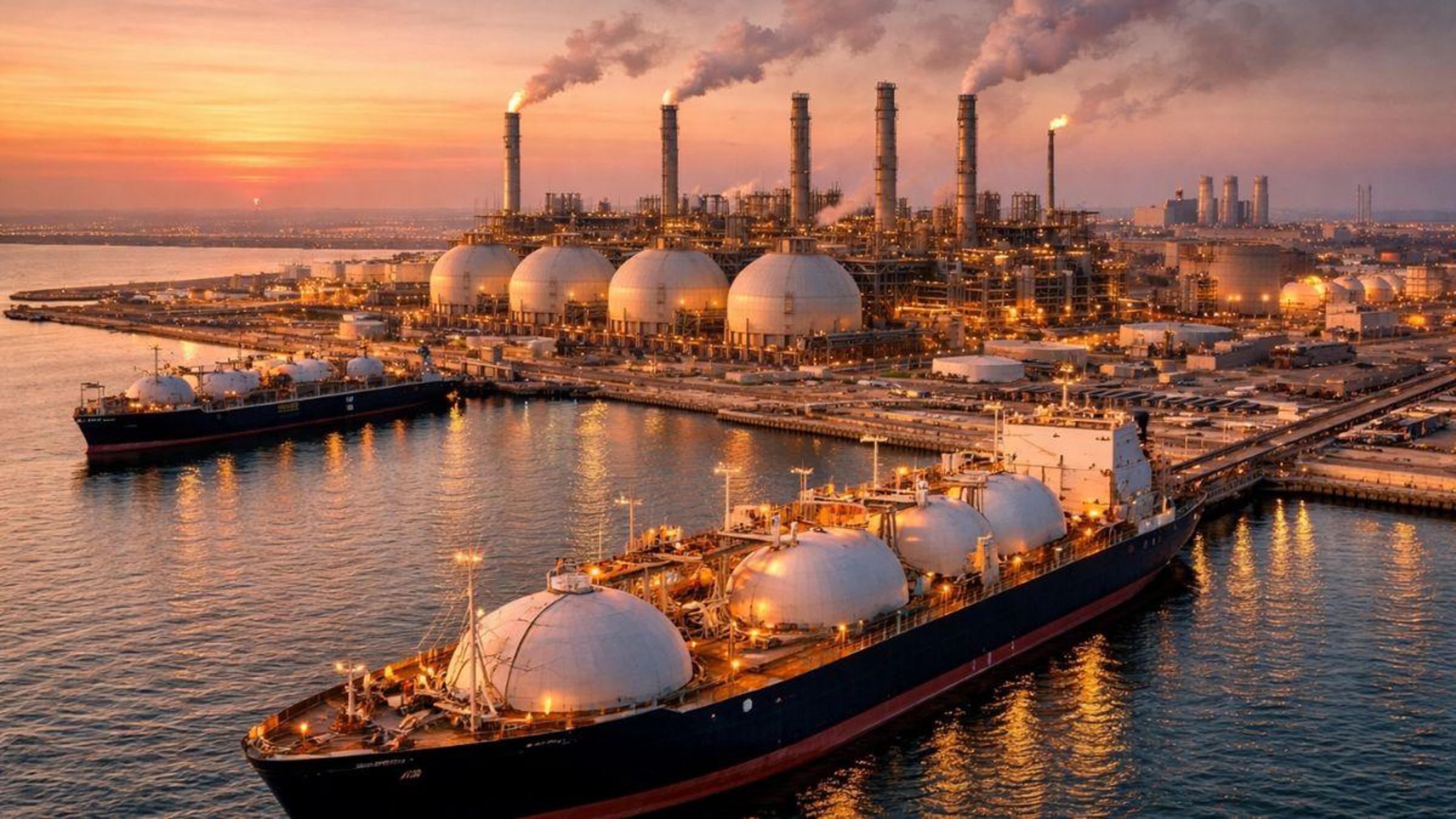
The talks took place on 11 October in Saudi Arabia, where State Minister for Power, Energy and Mineral Resources Aninda Islam Amit met Qatar’s Minister of State for Energy Affairs and QatarEnergy President and CEO Saad bin Sherida Al Kaabi. According to a report by The Business Standard, the discussions covered Bangladesh’s growing gas demand, existing LNG import arrangements and the possibility of a new long-term contract.
The immediate challenge is securing dependable fuel supplies. Qatar has historically been Bangladesh’s largest LNG supplier, but the conflict involving Iran, the United States and Israel and disruptions around the Strait of Hormuz have interrupted deliveries. For Bangladesh, which needs imported gas to support power generation, industrial production and other consumers, a new agreement could help shape energy security for years to come.
However, the latest meeting should not be mistaken for a signed deal. No confirmed new contract volume, duration, pricing formula or start date was disclosed in the reporting available on 12 October.
What Bangladesh Already Has Under Contract
Bangladesh’s existing relationship with QatarEnergy rests on long-term supply agreements that were established before the latest disruption.
Petrobangla, the state-owned gas company responsible for LNG imports, has two major long-term arrangements with Qatar-linked suppliers. Reporting by Reuters, carried by The Business Standard, identifies annual contract volumes of 2.5 million tonnes and 1.8 million tonnes, respectively.
The second agreement was signed in 2023, with additional deliveries scheduled to begin in 2026. QatarEnergy’s 2024 annual review also records a separate 15-year agreement with Excelerate Energy for 1 million tonnes of LNG annually, beginning in January 2026. Under that arrangement, Excelerate purchases LNG from QatarEnergy for delivery to Bangladesh’s floating storage and regasification units.
These agreements illustrate the scale of Bangladesh’s reliance on long-term imported gas. Contracted volumes give buyers a framework for securing supplies over several years, but they do not eliminate the risks associated with production outages, shipping interruptions or contractual force majeure.

Comments
0Join the discussion
You must be logged in to leave a comment.