


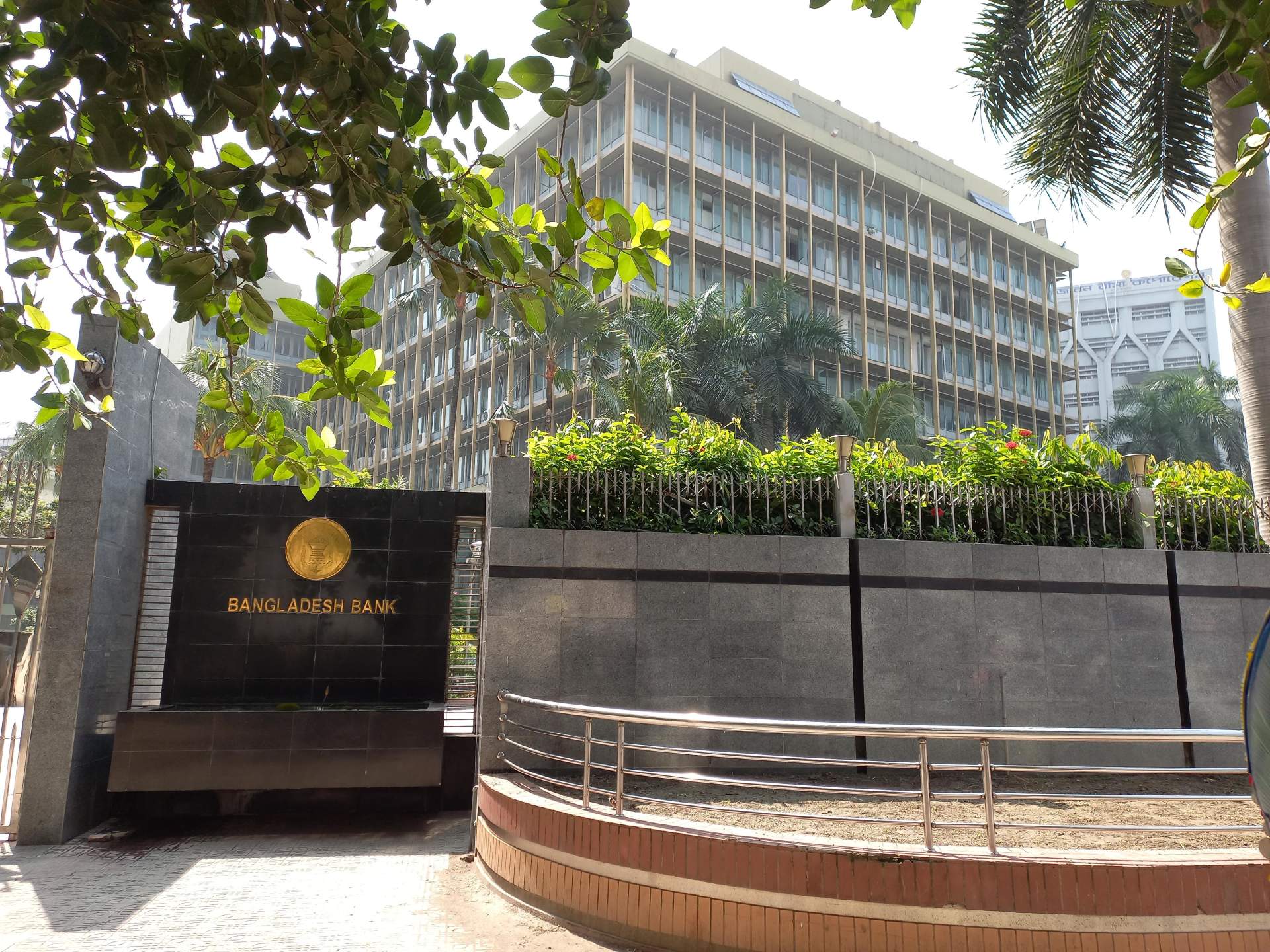
Private-sector credit growth in Bangladesh fell to 4.17% in September, its weakest reported level, as businesses continued to hold back on borrowing and banks remained cautious about extending new loans.
The figure, released in provisional Bangladesh Bank data and reported on November 3, was down from 4.75% in August. It also marked the seventh consecutive month in which private-sector credit growth remained below 5%.
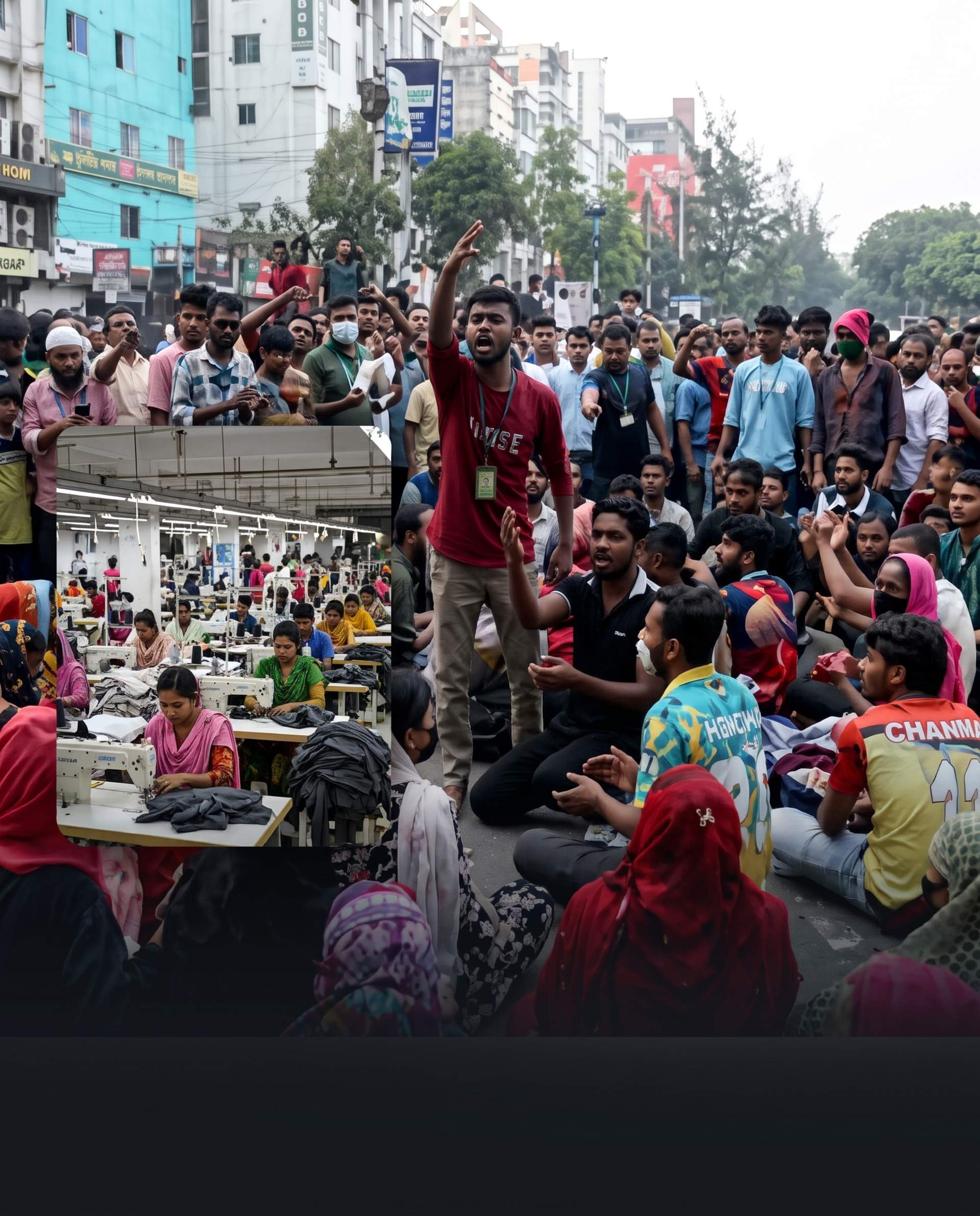
The slowdown matters because businesses rely on bank financing to purchase equipment, expand factories, maintain operations and create jobs. When companies postpone borrowing, it can signal that investment plans are being delayed or abandoned.
Borrowing is growing more slowly than prices
September's private-sector credit growth was less than half the country's 8.34% year-on-year inflation rate. This comparison suggests that the expansion of business lending is struggling to keep pace with rising prices.
It does not mean the total amount of outstanding private-sector loans has fallen. Rather, the amount of credit was higher than a year earlier, but its rate of growth had slowed considerably.
The slowdown has persisted despite a monetary policy adjustment. Bangladesh Bank reduced its policy rate by 50 basis points to 9.50% on July 30 in an effort to encourage borrowing and support economic activity. The latest figures suggest that cheaper policy funding alone has not been enough to restore demand for loans.
Why businesses and banks are holding back
Business leaders and bankers point to a combination of high borrowing costs, energy shortages, weak demand and uncertainty over future business conditions.
For companies, taking a new loan makes little sense if electricity and gas supplies are unreliable, operating expenses remain high, or future sales are difficult to predict. Businesses may prefer to manage existing operations and debt rather than commit to expansion.
Banks also face reasons to be cautious. Bangladesh's banking sector reported Tk606,555 crore in non-performing loans at the end of June, equivalent to 32.78% of total loans, according to figures cited in local reporting based on central bank data. A heavy burden of troubled loans can make lenders more careful when assessing new applications.
Economists have warned that weak investment can eventually affect employment and economic growth. When businesses do not expand, demand for new workers, machinery, transport and other services may also remain subdued.
What could change the picture?
A recovery in private-sector lending will depend on more than another interest-rate adjustment. Businesses need confidence that demand will improve, energy supplies will be dependable and the cost of operating will become more predictable.
Banks, meanwhile, need to distinguish viable businesses from risky borrowers so that financial-sector problems do not shut responsible companies out of credit.
The September figure is a warning sign, not proof that the economy has stopped growing. But if weak borrowing continues, it could become harder for Bangladesh to generate the private investment and new employment needed for a stronger recovery.


Comments
0