BangladeshistBangladeshistBangladeshist
HomeBusinessEntertainmentGeneralOpinion
About UsContact UsPrivacy Policy
Terms of ConditionsFAQ
FacebookInstagramYouTubeTwitterTikTok
BangladeshistBangladeshist

© 2026 Bangladeshist. All rights reserved.

  1. Home
  2. Business
  3. Bangladesh Garment Factories Reopen as Tk 30,000 W…
Business

Bangladesh Garment Factories Reopen as Tk 30,000 Wage Protests Continue

Bangladesh's garment factories are reopening after widespread disruption, but workers continue demanding a Tk 30,000 monthly minimum wage. A new wage board has begun the review process, leaving the dispute unresolved.

PlabonnMonday, November 2, 2026Source:Reuters, BSS7 min read
Bangladesh Garment Factories Reopen as Tk 30,000 Wage Protests Continue

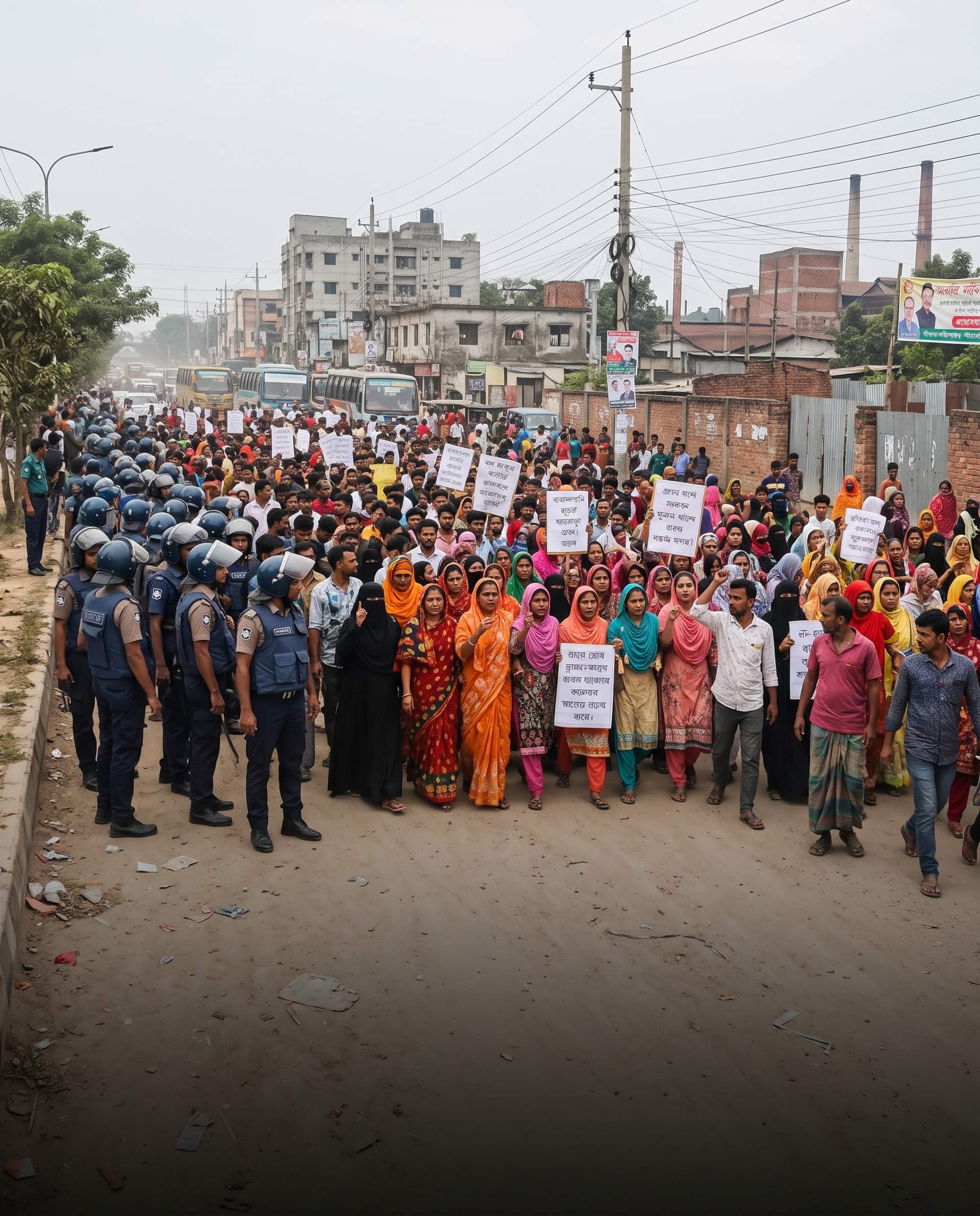
Garment factories in Bangladesh began reopening on Monday, November 2, but protests over wages continued in industrial areas, leaving uncertainty over production and transport as the government starts reviewing workers’ pay demands.

Workers are demanding a minimum monthly wage of Tk 30,000, up from the current Tk 12,500. The dispute has disrupted factory operations, blocked roads and raised concerns about the impact on export orders in one of Bangladesh’s most important industries.

The government formed a six-member minimum wage board on Sunday to recommend a revised wage structure. However, the board’s creation does not mean workers’ demand has been accepted, and demonstrations continued after the announcement.

Protests continue despite wage board

On Monday morning, garment workers again blocked the Dhaka–Tangail highway in the Palli Bidyut area of Gazipur. The blockade began at around 8:30am, according to local reporting, with thousands of workers gathering in the area and disrupting traffic.

Industrial police and other law enforcement agencies were working to restore movement and bring the situation under control.

The latest demonstrations followed unrest on Sunday across parts of Dhaka, Gazipur, Savar and Ashulia. Clashes, arson and road blockades accompanied the wage protests, while hundreds of factories suspended operations or declared holidays.

The Bangladesh Garment Manufacturers and Exporters Association (BGMEA) reported disruptions affecting 529 factories on November 1, with approximately 987,190 workers leaving their workplaces. These figures describe the previous day’s disruption, rather than permanent closures or job losses.

Reuters reported on Monday that factories had begun reopening, although concerns remained about renewed unrest and its effects on production.

What will the wage board do?

The six-member board brings together representatives of workers, employers, the government and independent members. It has been tasked with reviewing the minimum wage structure for the ready-made garment sector.
Read More

All Stories in Read More →
How Remittances Support Bangladesh’s Economy
Business

How Remittances Support Bangladesh’s Economy

Remittances help millions of Bangladeshi families pay for food, education, healthcare and housing. Discover how money sent home by overseas workers supports local businesses, strengthens foreign-exchange inflows and contributes to Bangladesh's economic development.

22 min readNov 1
Bangladesh Looks to Thailand to Boost Exports as New Shipping Route Cuts Transit Time
Business

Bangladesh Looks to Thailand to Boost Exports as New Shipping Route Cuts Transit Time

Labour and Employment Minister Ariful Haque Choudhury announced the board’s formation on Sunday and urged workers to return to their workplaces.

The dispute centres on the gap between workers’ requested pay and the existing minimum wage. Workers argue that rising living costs have made it increasingly difficult to cover essentials such as food, housing, transport and healthcare.

The employers’ side has pointed to higher production costs, energy-market uncertainty, global economic pressures and challenges in securing export orders. Industry representatives have said that any revised wage structure must balance workers’ living standards with factories’ ability to remain operational.

The board’s recommendations and the subsequent government decision will determine whether the existing minimum wage changes. No new minimum wage had been approved in the reports available on Monday.

Why the dispute matters to Bangladesh’s economy

Bangladesh’s ready-made garment industry employs around four million people and generates more than 80% of the country’s export earnings, according to Reuters.

Prolonged disruption could affect production schedules, transport, shipment deadlines and relationships with international buyers. The consequences could extend beyond factory owners and workers to suppliers, transport operators and businesses that depend on garment exports.

At the same time, the wage dispute highlights the challenge of balancing export competitiveness with the purchasing power of workers whose labour underpins the industry.

The immediate question is whether the newly formed board can produce a credible wage recommendation while factories remain operational and workers’ concerns are addressed.

For now, factory reopenings offer only a partial easing of the disruption. Continued demonstrations show that the wage dispute remains unresolved, and the next steps by the board, employers and worker representatives will be important in determining whether industrial activity stabilises.

Tags:#Bangladesh garment industry#minimum wage#labour protests#garment workers#Gazipur#RMG exports
share:

Comments

0

Join the discussion

You must be logged in to leave a comment.

Loading comments…

Most Read

1

Benin Thrash India 27–0 at U18 School Football World Cup

Oct 22
2

HSC Results 2026: When and How to Check Results in Bangladesh

Oct 29
3

Toyota Solid-State EV Battery Enters Early Mass Production

Oct 10
4

NASA Delays Artemis Moon Landing to 2028 Over Starship Issues

Oct 8
5

E-Commerce Business Guide: How to Properly Set Up an Online Storefront

Jun 16

Popular Tags

#Bangladesh Economy#Barcelona#Artificial Intelligence#Inflation#Energy Security#Global Economy#UEFA Champions League#Bayern Munich#Public Health#Bangladesh Bank#Real Madrid#PSG

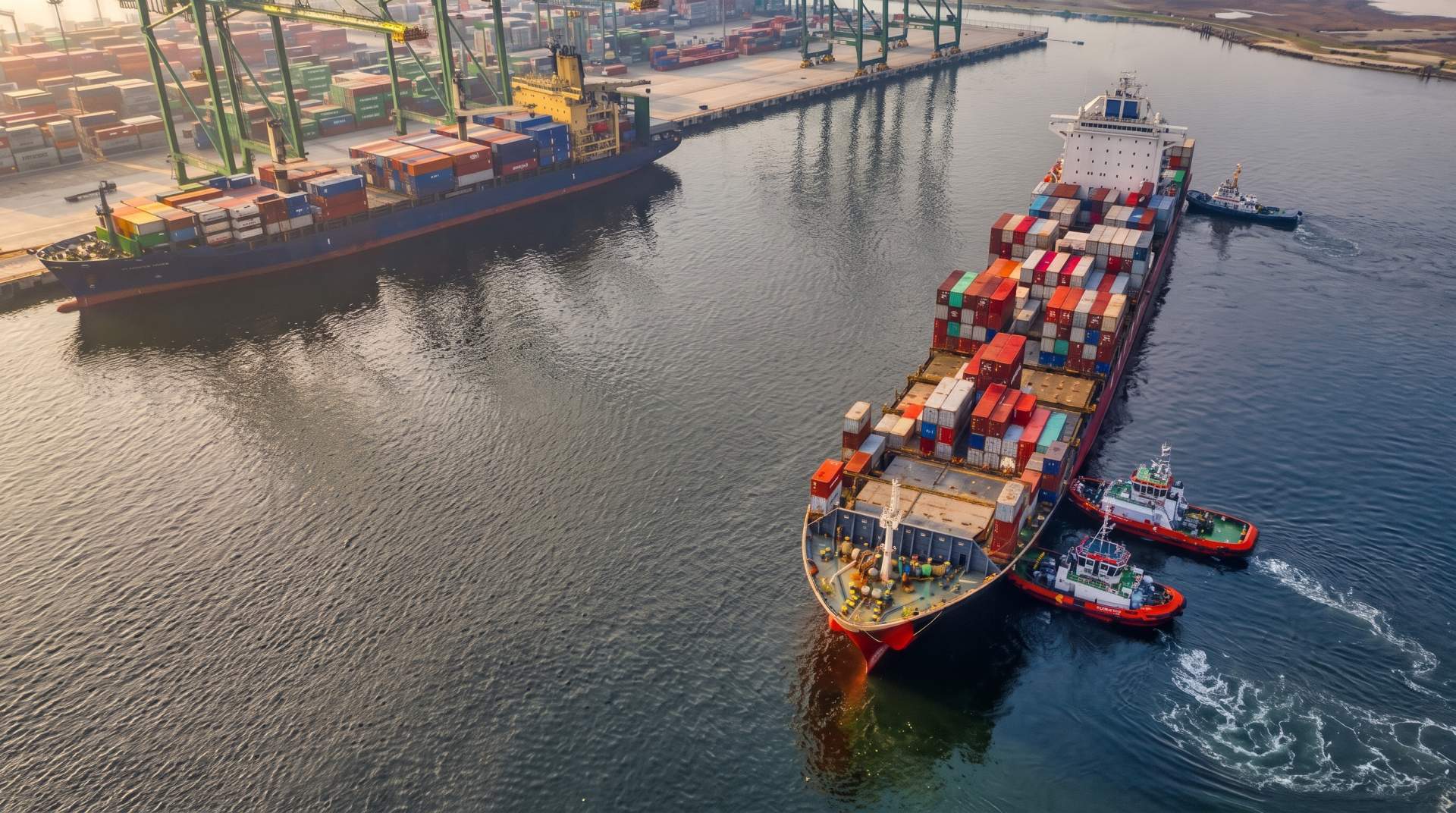
Bangladesh wants Thailand to buy more pharmaceuticals and jute products as a new shipping connection promises faster cargo transport and both countries explore closer trade ties.

8 min readOct 31
Alphabet’s $9 Billion Cash Burn Puts AI Spending Under Investor Scrutiny
Technology

Alphabet’s $9 Billion Cash Burn Puts AI Spending Under Investor Scrutiny

Alphabet’s shares plunged 12.6% after its latest earnings highlighted the financial strain of AI investment, even as Google Cloud revenue more than doubled.

7 min readOct 30
Anthropic Files for IPO as AI Boom Meets Questions Over Growth, Costs and Risk
Technology

Anthropic Files for IPO as AI Boom Meets Questions Over Growth, Costs and Risk

Anthropic has filed to go public under the ticker ANT, bringing fresh attention to the AI company's rapid revenue growth, financial disclosures and technology risks.

8 min readOct 28
More stories in Business