

Bangladesh Prime Minister Tarique Rahman arrived in Tokyo on October 26 for a four-day official visit aimed at attracting investment, expanding trade and creating employment opportunities. His scheduled October 27 meeting with Japanese Prime Minister Sanae Takaichi will be a key moment in efforts to deepen economic ties between the two countries.
The visit comes with ambitious proposals on the table. Bangladesh has prepared a proposed $13.8 billion investment and cooperation package covering 12 priority sectors for 2026–2031. Separately, Japan is reported to be planning to arrange around 1 trillion yen, or approximately $6.35 billion, in private-sector investment in Bangladesh over five years.
These figures describe different proposals and should not be treated as money already invested or guaranteed to arrive. The immediate test for both governments is whether the visit can produce clear commitments, practical agreements and a timetable for implementation.
Investment plans extend beyond infrastructure
Bangladesh wants Japanese investment to support a broader industrial base, including manufacturing, transport, energy, technology, agriculture, pharmaceuticals and information technology.
According to Dhaka Tribune’s reporting ahead of the visit, the proposed Bangladeshi package includes $3.45 billion for transport and urban connectivity, $3.14 billion for industrial, port and commercial hubs, and $1.57 billion for manufacturing and electronics. Other proposed allocations cover energy, climate-resilient infrastructure and several additional sectors.
The scale of these proposals reflects Bangladesh’s interest in moving its economic relationship with Japan beyond development assistance and infrastructure projects towards more private investment and industrial production.
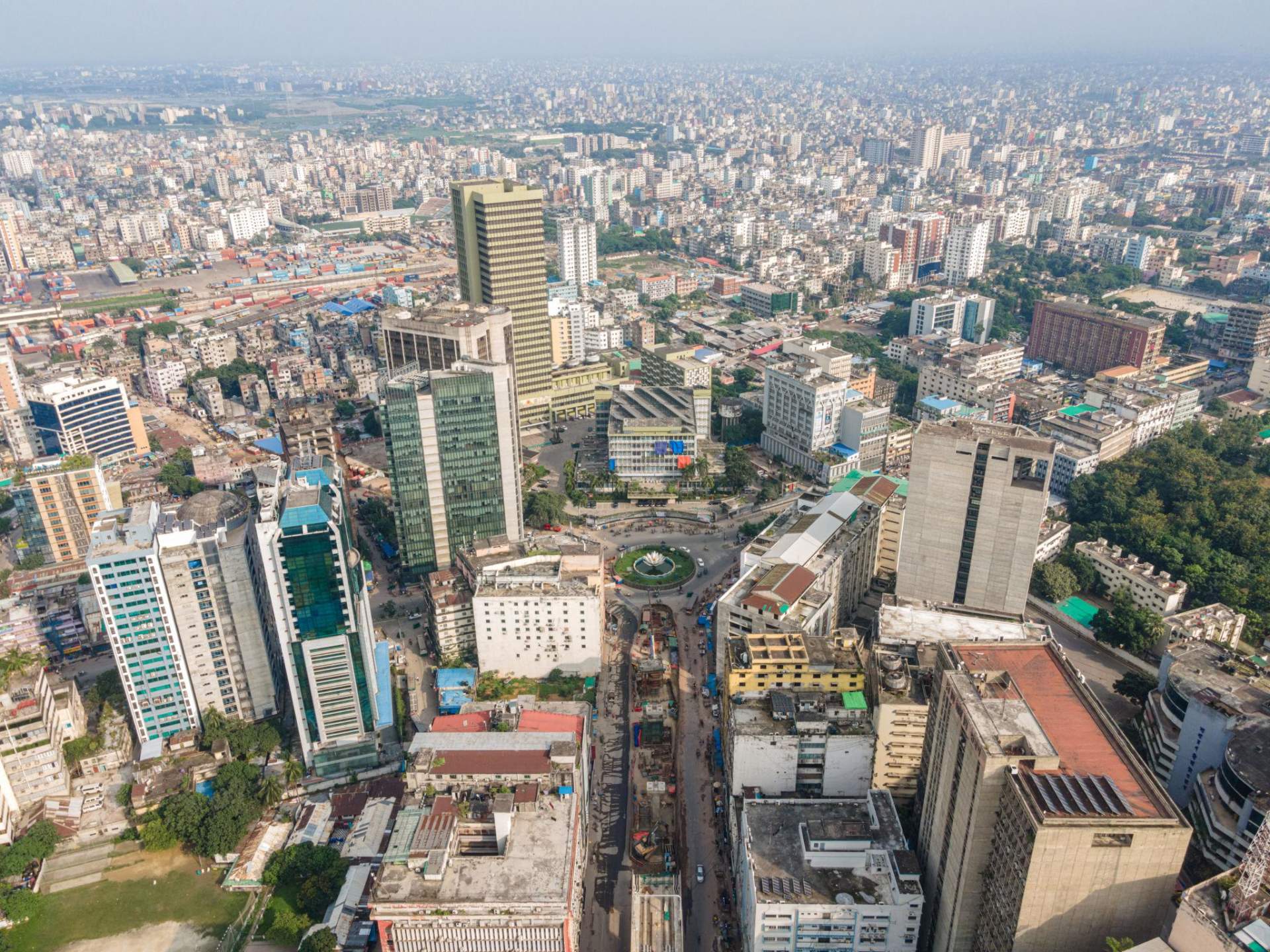
Japanese support has already played a major role in Bangladesh’s infrastructure development, including Dhaka’s metro rail, the third terminal of Hazrat Shahjalal International Airport and development around Matarbari.
The next stage would require projects that can attract businesses, support local suppliers, create productive jobs and help Bangladeshi companies become more competitive.


Comments
0Join the discussion
You must be logged in to leave a comment.