


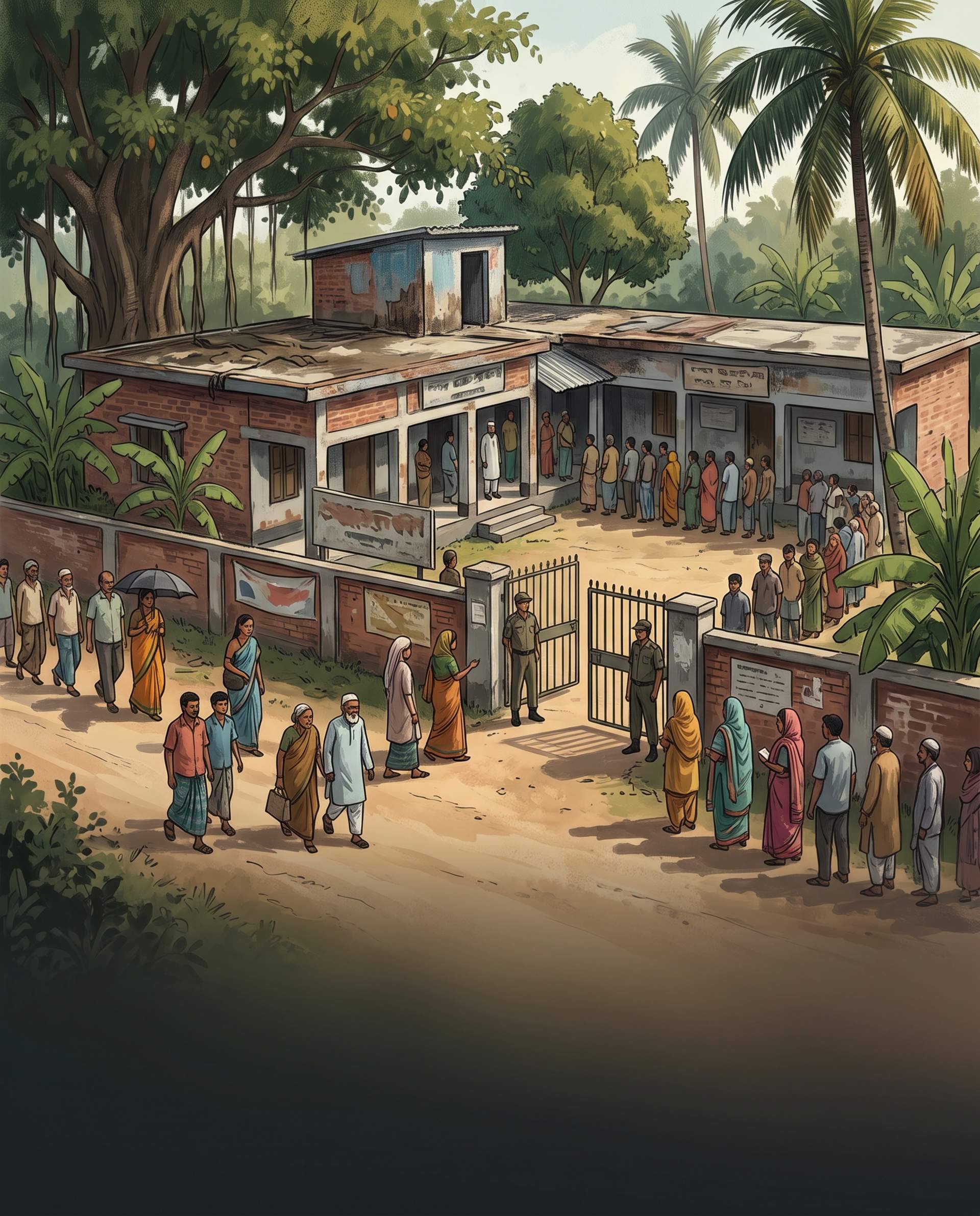
Bangladesh’s Election Commission is preparing to hold elections in more than 4,000 Union Parishads in five phases, with the first round scheduled for January 21, 2027. The plan will bring a large number of local government bodies into an election process that is expected to continue until late May.
The commission outlined the latest phase-wise plan after a meeting at the Election Commission headquarters in Agargaon, Dhaka, on November 16. Election Commissioner Abul Fazl Mohammad Sanaullah said the first phase would cover 1,026 Union Parishads across 131 upazilas. The commission expects to publish a detailed list identifying the unions assigned to each phase on its website.
The planned polling dates are January 21, February 4, April 29, May 13 and May 27. The dates are spread across several months rather than arranged as a continuous sequence. The commission has previously indicated that the timetable takes account of Ramadan, school examinations and weather conditions, particularly in coastal areas.
A nationwide local election programme
Union Parishads are the lowest tier of rural local government in Bangladesh. They are responsible for a range of services and administrative functions that directly affect residents, including local infrastructure, certificates, community-level development activities and aspects of social protection delivery.
For many people outside major cities, Union Parishad representatives are among the most accessible elected public officials. Their decisions can influence the condition of local roads, drainage, markets and public spaces, as well as how residents interact with local administration.
The scale of the planned election programme is therefore significant. The commission has said approximately 4,300 Union Parishads are included in the election process. The exact number assigned to each phase may be subject to administrative and legal adjustments as the detailed schedules are prepared.
The five-phase approach also gives the election administration time to organise polling across a large number of geographically dispersed localities. Each constituency requires preparation involving electoral rolls, polling centres, election officials, security arrangements and candidate nominations.
What the latest plan says
The first phase is scheduled for January 21, with 1,026 Union Parishads listed across 131 upazilas in the commission's latest briefing. The remaining phases are scheduled for February 4, April 29, May 13 and May 27.
The commission has said that it will publish the detailed list of Union Parishads by phase. That document will be important for voters and prospective candidates because a national timetable alone does not identify the polling date for an individual union.
The Election Commission has also indicated that it intends to hold discussions with registered political parties in three stages. The consultation process is expected to be completed before December 10. These discussions are part of the commission's preparation for the local government election programme.
The detailed election schedules for individual Union Parishads are expected to be announced around 38 to 45 days before polling, according to the commission's stated approach.
The practical challenges
Organising elections across thousands of rural local government areas will require more than announcing dates. The commission must ensure that voter lists are accurate, polling centres are accessible and election officials are available in every area.
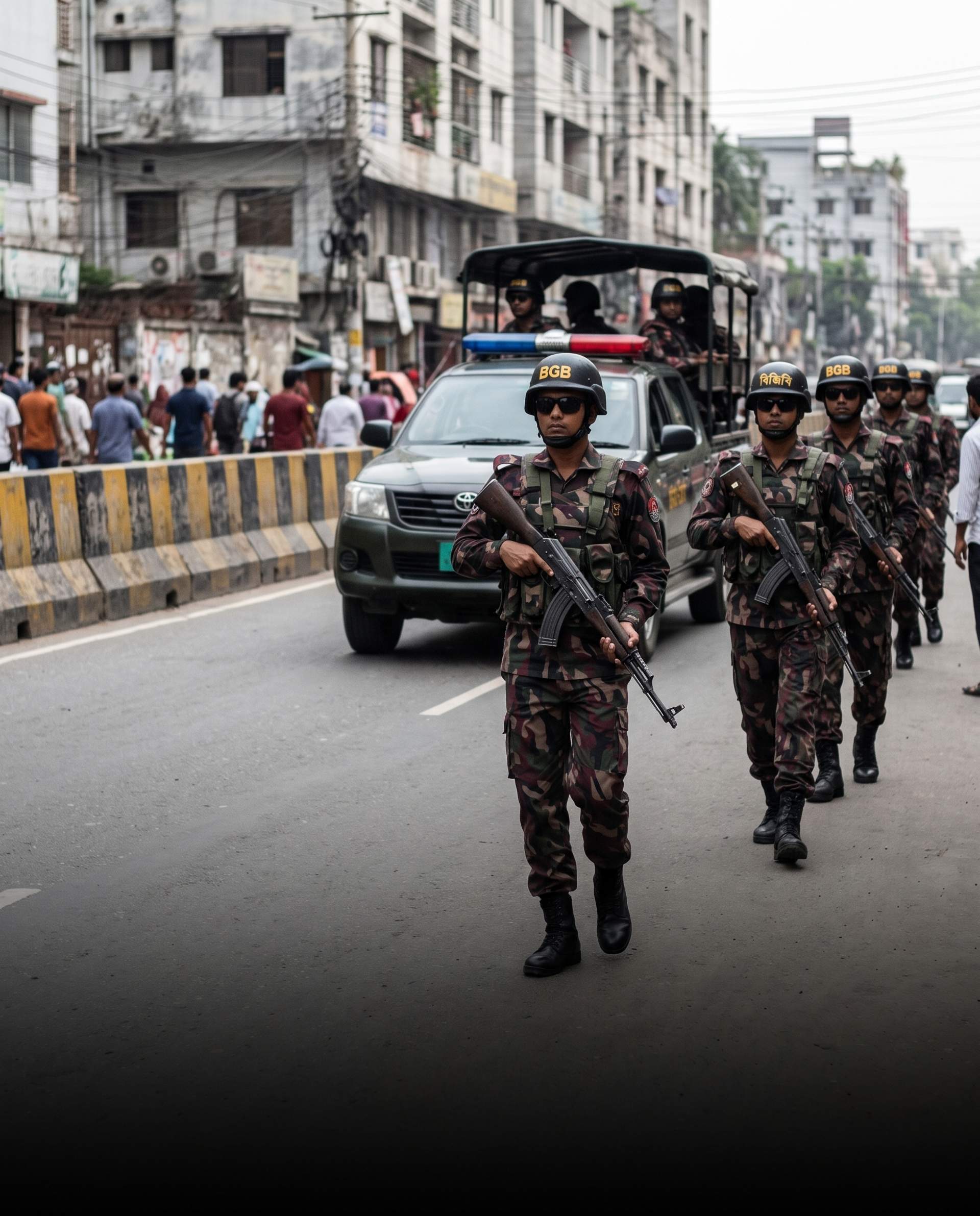
Security arrangements will also matter. Local elections can involve close competition between candidates with strong community networks. The commission will need to coordinate with law enforcement agencies and local administration to respond to disputes, intimidation or disruptions without restricting legitimate political activity.
Another important issue is the participation of women and other groups who may face barriers to campaigning or voting. Accessible polling facilities, transparent complaint procedures and consistent enforcement of electoral rules can influence whether residents feel able to take part.
The commission will also need to communicate the timetable clearly. With five phases spread over several months, voters may otherwise confuse the national schedule with the date assigned to their own Union Parishad.
What voters should watch next
The next important document is the commission's detailed phase-wise list. Residents should check the official Election Commission website and announcements from their district and upazila election offices rather than relying only on general national dates.
The nomination process, candidate eligibility requirements, campaign rules and final polling schedules will provide a clearer picture as the first phase approaches.
For now, the commission has announced a framework, not completed the election process. The success of the programme will depend on how consistently the timetable is implemented, whether voters can participate freely and whether local results are accepted as credible.
The first polling date is January 21, 2027. The final phase is scheduled for May 27. Between those dates, the Election Commission faces a substantial administrative task: delivering elections across thousands of communities while maintaining public confidence in the local democratic process.


Comments
0