BangladeshistBangladeshistBangladeshist
HomeBusinessEntertainmentGeneralOpinion
About UsContact UsPrivacy Policy
Terms of ConditionsFAQ
FacebookInstagramYouTubeTwitterTikTok
BangladeshistBangladeshist

© 2026 Bangladeshist. All rights reserved.

  1. Home
  2. Business
  3. Bangladesh, Japan Target $6.34 Billion Investment …
Business

Bangladesh, Japan Target $6.34 Billion Investment Plan and 200,000 Jobs

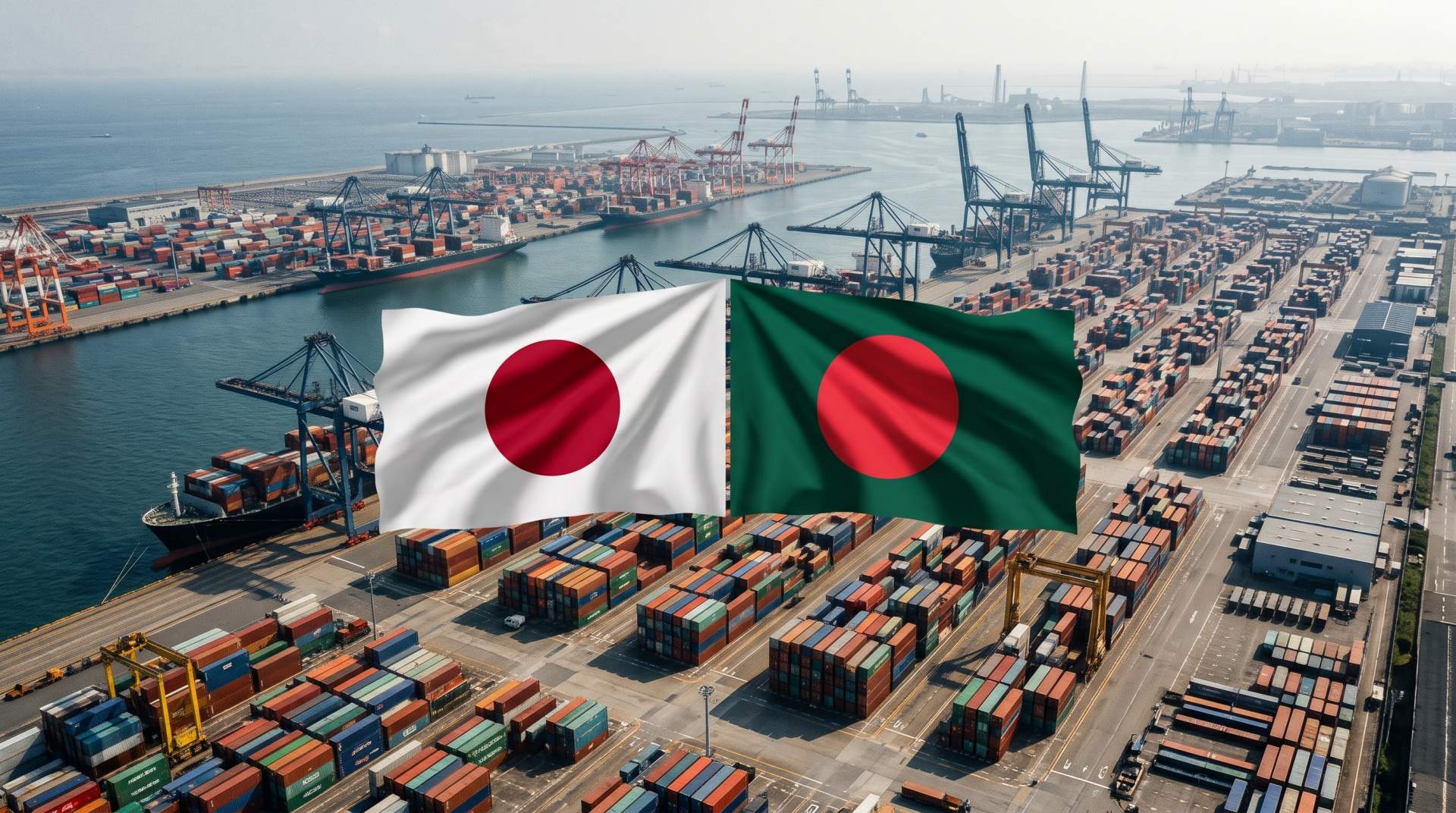
Bangladesh and Japan are targeting up to $6.34 billion in private investment over five years, with a potential 200,000 jobs as both countries expand cooperation in manufacturing, energy and technology.

PlabonnTuesday, October 27, 2026Source:UNB, The Daily Star, Reuters9 min read
Bangladesh, Japan Target $6.34 Billion Investment Plan and 200,000 Jobs

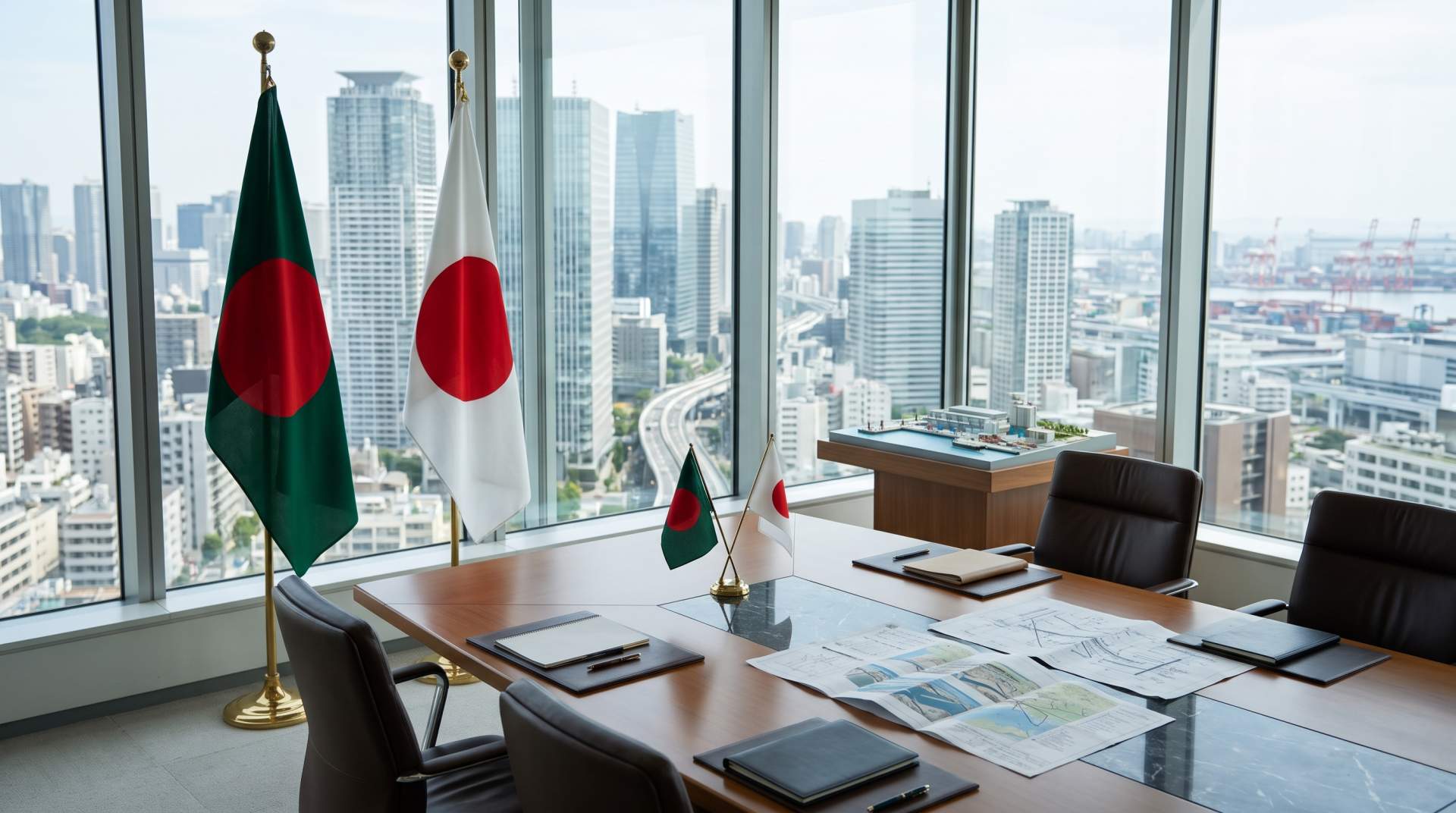
Bangladesh and Japan have agreed to deepen economic cooperation, with Tokyo projecting up to 1 trillion yen ($6.34 billion) in private-sector investment in Bangladesh over the next five years, a plan that could generate around 200,000 jobs, according to a joint statement issued after a summit between the two countries' prime ministers on October 27.

Bangladesh Prime Minister Tarique Rahman met Japanese Prime Minister Sanae Takaichi in Tokyo as the two governments sought to expand cooperation in manufacturing, energy, infrastructure, agriculture and digital technology. The discussions also covered supply chains, trade and investment conditions, and Bangladesh's longer-term industrial development.

The investment figure is a projection, not evidence that the full amount has already been committed or spent. Turning it into actual projects will depend on business decisions, financing, implementation and the investment environment in Bangladesh.

Manufacturing and infrastructure take centre stage

The two governments want to build stronger links between their economies, with particular attention to manufacturing and industrial supply chains. The joint statement identified manufacturing, food and agriculture, information and communication technology, and pharmaceuticals as areas for closer cooperation.

The leaders also agreed to advance the Bay of Bengal Industrial Growth Belt initiative under the expanded name “BIG-B for Shared Prosperity”. The initiative aims to connect energy, industrial facilities, ports and digital infrastructure to support production and trade.

The Matarbari-Maheshkhali area, centred on the Matarbari Deep Sea Port, was identified as a potential hub for logistics, energy and industry. The two sides also agreed to advance preparations for the early operation of the third terminal at Hazrat Shahjalal International Airport and pursue the early construction of Dhaka's mass rapid transit lines.

These projects could strengthen Bangladesh's role in regional supply chains, but their benefits will depend on execution, operating efficiency and the ability to attract businesses that create lasting economic activity.
Read More

All Stories in Read More →
Oil Prices Ease on Iran Diplomacy, but Bangladesh Remains Exposed to Energy Costs
Business

Oil Prices Ease on Iran Diplomacy, but Bangladesh Remains Exposed to Energy Costs

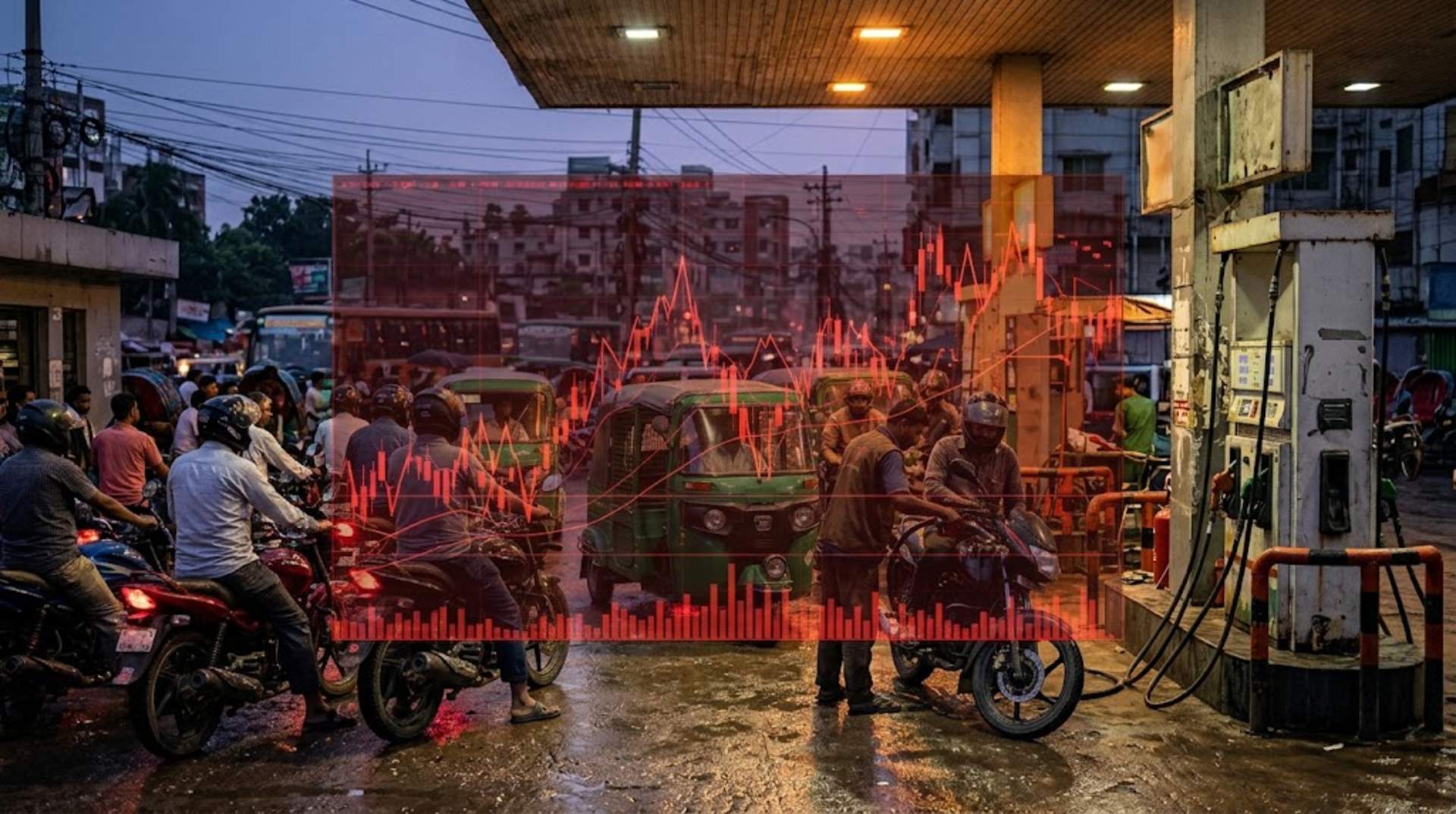
Oil prices eased as diplomatic efforts involving Iran raised hopes of reducing supply risks. Bangladesh remains vulnerable to elevated energy import costs, despite the latest decline.

7 min readOct 27
Bangladesh’s Japan Visit Puts Investment, Jobs and Exports in Focus
Business

Bangladesh’s Japan Visit Puts Investment, Jobs and Exports in Focus

Energy security and digital skills

Energy was another central issue. Bangladesh needs reliable and affordable power to support industrial growth, while Japanese cooperation could help develop energy infrastructure and improve supply resilience.

The joint statement welcomed Japan's 50 billion yen emergency support loan under its Partnership on Wide Energy and Resources Resilience Asia initiative. The two governments also expressed support for further cooperation in energy infrastructure, efficiency and renewable energy.

Technology and skills development formed another part of the agenda. Both sides highlighted opportunities to expand digital cooperation, develop highly skilled information technology professionals and improve secure digital connectivity.

Separately, Rahman proposed a Bangladesh-Japan Tech Park to connect Japanese companies, universities and investors with Bangladeshi talent and entrepreneurs. Artificial intelligence, cloud computing, robotics and electronics manufacturing were among the proposed priority areas, according to reporting from Tokyo.

The proposed technology hub remains an initiative to develop, rather than a completed facility. Its impact would depend on investment, training opportunities, links with employers and the availability of skilled workers.

Trade agreement and the investment challenge

The two leaders welcomed the signing of the Japan-Bangladesh Economic Partnership Agreement and reaffirmed their commitment to bringing it into force at an early date. The agreement is intended to support trade, investment and industrial diversification.

For Bangladesh, stronger economic ties with Japan could help broaden manufacturing beyond established industries and encourage investment in higher-value production. The potential benefits include new employment, technology transfer, workforce development and stronger connections with international suppliers.

However, the investment projection should not be confused with guaranteed job creation. The estimated 200,000 jobs depend on whether the planned investment materialises and how the resulting projects develop.

Bangladesh's ability to attract and retain investors will also matter. The government has highlighted the need for more transparent and predictable tax rules, customs procedures, licensing and other business processes. Improvements in these areas could help businesses plan projects and operate with greater certainty.

The two governments have also discussed cooperation in agriculture, fisheries, livestock, public health, education, disaster management and human-resource development.

What happens next?

The key test will be implementation. Businesses will need to move from broad investment plans to specific projects, financing arrangements, construction schedules and hiring decisions.

Progress on industrial infrastructure, energy supply, transport links and the economic partnership agreement will help determine whether closer relations produce measurable benefits for businesses and workers.

For Bangladesh, the opportunity is not simply to attract more foreign capital. It is to convert investment into productive industries, better jobs and stronger domestic capabilities. The proposed investment programme offers a framework for that effort, but its success will ultimately be measured by projects delivered and opportunities created.

Tags:#Bangladesh Economy#Manufacturing#infrastructure#Bangladesh Japan relations#Japanese investment#Tarique Rahman#foreign investment#energy#Sanae Takaichi
share:

Comments

0

Join the discussion

You must be logged in to leave a comment.

Loading comments…

Most Read

1

Benin Thrash India 27–0 at U18 School Football World Cup

Oct 22
2

Toyota Solid-State EV Battery Enters Early Mass Production

Oct 10
3

NASA Delays Artemis Moon Landing to 2028 Over Starship Issues

Oct 8
4

Lionel Messi Bids Adieu in Argentina's 3-0 Farewell Win

Oct 7
5

E-Commerce Business Guide: How to Properly Set Up an Online Storefront

Jun 16

Popular Tags

#Bangladesh Economy#Barcelona#Inflation#UEFA Champions League#Bayern Munich#Artificial Intelligence#Bangladesh Bank#Real Madrid#PSG#Global Economy#Arsenal#Public Health

Bangladesh’s prime minister is visiting Japan to pursue investment, expand exports and create jobs. The key question is whether proposed billions in investment and cooperation can translate into measurable economic gains.

11 min readOct 26
Oil Hits a Six-Month High as Bangladesh Leans on Remittances and Reserves
Business

Oil Hits a Six-Month High as Bangladesh Leans on Remittances and Reserves

Brent crude hit $116.72 as Gulf attacks escalated. With remittance growth cooling and fuel prices already raised, Bangladesh’s reserves are holding, but the pressure is building.

9 min readOct 25
Bangladesh Seeks $3.77 Billion in World Bank Support as Economic Pressures Persist
Finance

Bangladesh Seeks $3.77 Billion in World Bank Support as Economic Pressures Persist

Bangladesh has requested $3.77 billion in World Bank financing for FY2026–27 and is discussing a separate $10 billion framework as energy costs, banking-sector weaknesses and subdued investment weigh on growth.

10 min readOct 25
More stories in Business