


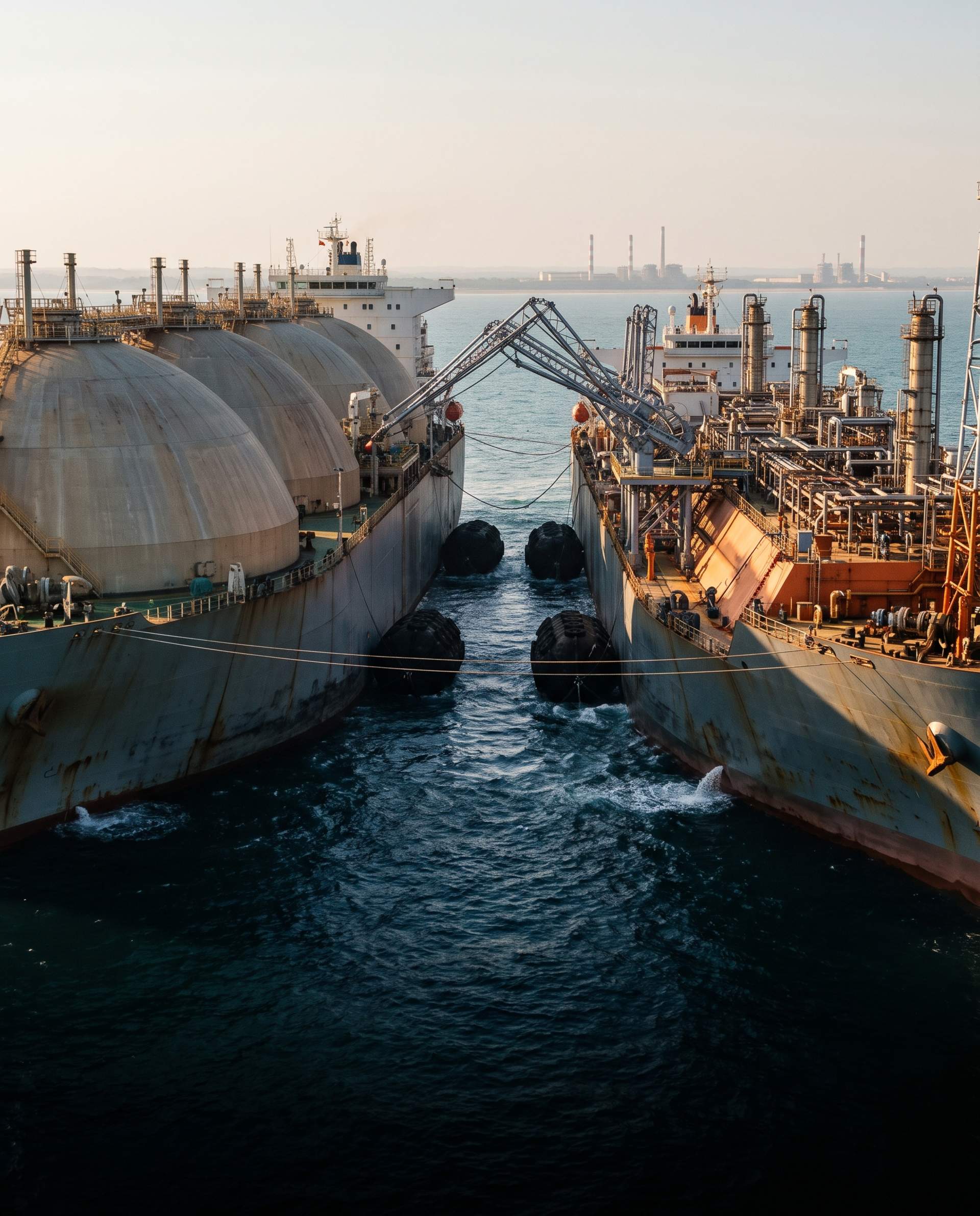
State-owned energy corporation Petrobangla has finalized emergency spot purchase agreements for five cargoes of liquefied natural gas, securing vital fuel supplies for December and January to prevent industrial disruptions during the winter season.
The procurement decision follows weeks of mounting urgency from industrial business leaders across Gazipur, Narayanganj, Savar, and Chattogram. During the cooler winter months, falling temperatures increase household gas consumption for cooking and heating while lowering natural pipeline pressure. Without supplementary imported gas, industrial factories face sudden pressure drops that force textile dyeing units, ceramic kilns, and steel rolling mills to suspend operations mid-shift.
Addressing the Industrial Gas Crisis
Natural gas is the lifeblood of Bangladesh's manufacturing economy. Unlike power plants that can sometimes switch to liquid fuel alternatives, heavy export factories rely directly on steady, high-pressure pipeline gas to fire giant industrial boilers, operate captive power generators, and cure raw fabrics.
Over recent months, domestic gas production from aging onshore fields, including Bibiyana and Titas, has continued its natural decline, dropping total domestic output below 2,000 million cubic feet per day. With national demand exceeding 3,800 million cubic feet per day, the resulting supply deficit has left industrial zones chronically starved of fuel.
Factory owners reported that gas pressure frequently dropped to near-zero levels during peak production hours, forcing them to operate expensive diesel generators that doubled their manufacturing costs. Textile leaders warned that unfulfilled production schedules risked causing missed export shipping deadlines for spring clothing collections destined for Europe and North America.
Procurement Strategy and Pricing Windows
To plug the seasonal deficit, Petrobangla tapped the international spot market through competitive international tenders, securing five LNG cargoes carrying roughly 3.3 million million British thermal units each.
Energy ministry officials explained that timing was critical. By concluding negotiations before peak mid-winter cold snaps in East Asia and Europe drive global spot prices higher, Petrobangla managed to lock in cargo rates between 12.80 and 13.50 dollars per million British thermal units. The imported gas will arrive via specialized LNG tankers and undergo regasification at the twin floating storage and regasification units anchored off the coast of Moheshkhali in Cox's Bazar before entering the national transmission grid.
To fund the emergency purchases without putting unmanageable strain on the central bank's foreign exchange reserves, the interim government arranged dedicated short-term import credit facilities with multilateral financial institutions.
Coordinating Distribution and Rationing Across Grids
Alongside securing imported supplies, Petrobangla is coordinating with regional distribution utilities, including Titas Gas and Bakhrabad Gas, to enforce structured supply rationing. Peak industrial operational hours will receive priority gas pressure, while fertilizer production plants that undergo routine winter maintenance will temporarily scale back intake to free up gas for textile mills.
District inspection squads have also been dispatched to clamp down on unauthorized commercial hookups and meter tampering along industrial corridors. By tightening physical distribution controls, energy authorities hope to minimize transmission leakage and ensure that every imported cubic foot of gas reaches legitimate industrial boilers.
Balancing Fiscal Realities with Export Needs
While the spot purchases offer immediate relief, energy economists point out that relying on spot LNG is an expensive temporary fix. High import prices widen the financial deficit of state utilities and create pressure to raise retail gas tariffs on domestic businesses.
Trade bodies such as the Bangladesh Garment Manufacturers and Exporters Association have urged the government to prioritize industrial supply over household connections, arguing that keeping factory wheels turning generates the foreign currency revenue necessary to pay for energy imports in the first place.
Long-Term Energy Diversification Ahead
Petrobangla officials confirmed that alongside spot market purchases, long-term supply contracts with QatarEnergy and OQ Trading of Oman remain the foundation of national LNG import planning. In addition, state exploration agency BAPEX is expanding its onshore drilling program to test deeper gas-bearing sands in the Surma Basin.
For thousands of industrial workers and factory managers across the country's manufacturing belts, the arrival of winter spot cargoes ensures that assembly lines will keep humming through the critical holiday production rush.


Comments
0