BangladeshistBangladeshistBangladeshist
HomeBusinessEntertainmentGeneralOpinion
About UsContact UsPrivacy Policy
Terms of ConditionsFAQ
FacebookInstagramYouTubeTwitterTikTok
BangladeshistBangladeshist

© 2026 Bangladeshist. All rights reserved.

  1. Home
  2. General
  3. More Than 300 Baby Whales Have Died in Patagonia. …
General

More Than 300 Baby Whales Have Died in Patagonia. Scientists Are Racing to Find Out Why

More than 300 southern right whale calves have died in Argentina’s Patagonia region. Scientists are investigating bacterial infection and possible environmental factors.

PlabonnWednesday, October 14, 2026Source:Live Science, Associated Press13 min read9 views
More Than 300 Baby Whales Have Died in Patagonia. Scientists Are Racing to Find Out Why

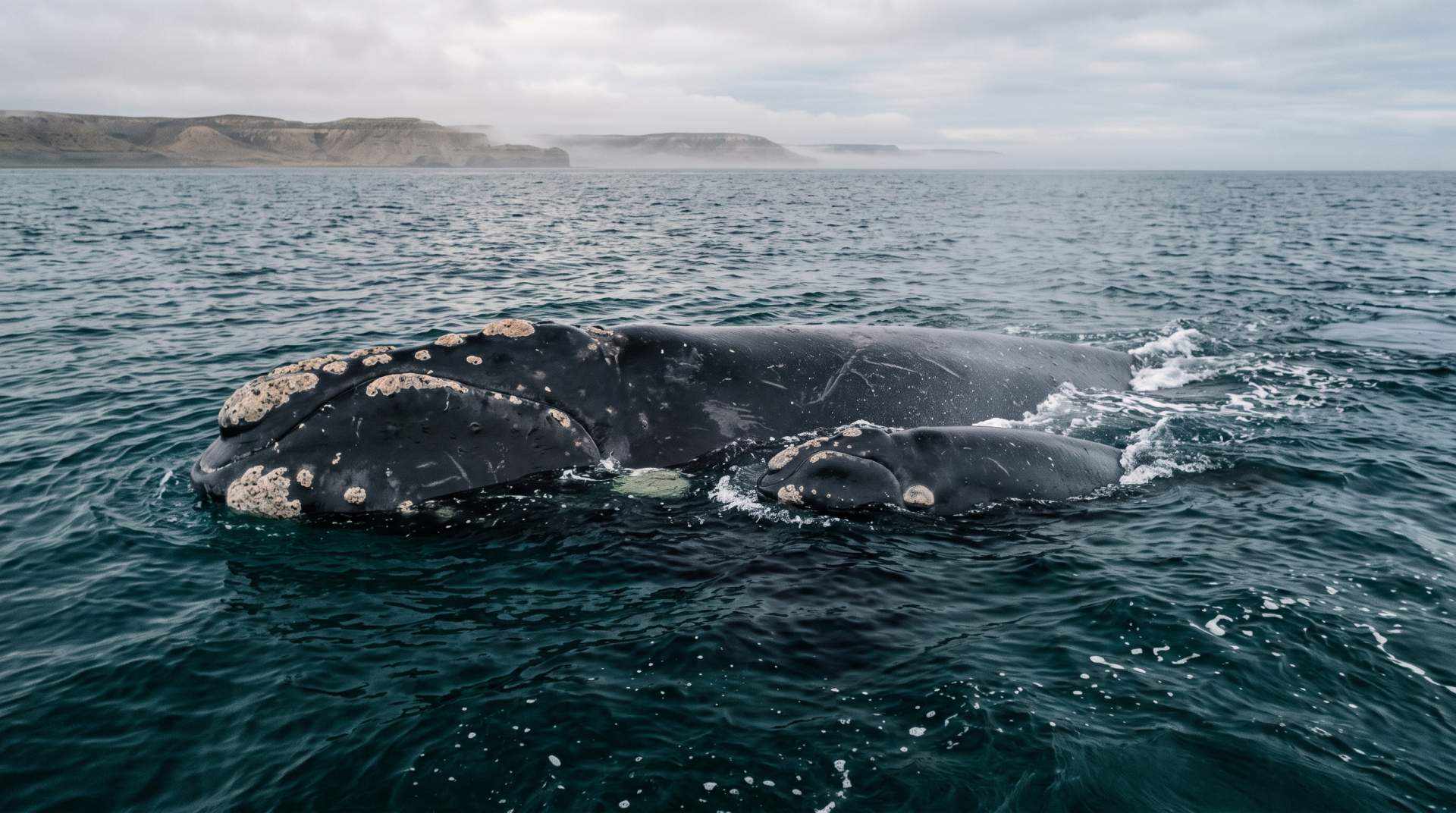
More than 300 southern right whale calves have died off Argentina’s Patagonian coast since June, leaving marine scientists investigating an exceptional mortality event that could reveal new threats to one of the world’s best-known recovering whale populations.

Laboratory analyses have detected the bacterium Erysipelothrix rhusiopathiae in samples from affected calves, according to reporting by Live Science on October 14. But scientists still do not know why an organism already known to occur in the region has been associated with such a large number of deaths this year.

The scale of the losses is alarming. The previous annual record for southern right whale calf deaths in the region was 113, recorded in 2012. This year’s preliminary toll has already exceeded that figure substantially.

Researchers are now examining how disease, animal behaviour and environmental conditions may be interacting. Their findings could help explain not only what happened during this breeding season, but also how future outbreaks might be prevented or managed.

A record-breaking season of deaths

The first dead calves appeared around Península Valdés in Argentina’s Chubut province in June, when southern right whales return to sheltered coastal waters to give birth and nurse their young.

The region is an important breeding ground for the species, which was driven close to extinction by commercial whaling before receiving international protection and beginning a long recovery.

A September survey by the Marine Mammal Laboratory of the Center for the Study of Marine Systems counted 1,375 southern right whales, including 409 calves. More than 300 calf deaths had been recorded by the time of the latest reporting.

The final mortality figure is expected to be released by the Southern Right Whale Health Monitoring Program in December.

Scientists consider the event particularly concerning because they have monitored the population for decades. Long-term records allow researchers to distinguish ordinary variation from an unusual event that requires closer investigation.


Read More

All Stories in Read More →
Bangladesh’s Measles Crisis Exposes Gaps in Routine Vaccination
Health & Fitness

Bangladesh’s Measles Crisis Exposes Gaps in Routine Vaccination

Bangladesh’s deadly measles outbreak has exposed gaps in routine vaccination, health-service access and disease surveillance. Here is what the crisis reveals about protecting children and preventing future outbreaks.

12 min read2Oct 20
Cox’s Bazar Resort Fire Kills 10, Raises Safety Concerns

The number of deaths alone, however, does not establish that the entire population is collapsing. Southern right whales are long-lived animals, and scientists say it is too early to predict the lasting effect on the population.

The immediate challenge is to understand why so many calves died during a single season.

A bacterium provides the first major clue

Researchers have identified Erysipelothrix rhusiopathiae in laboratory samples from dead calves. The bacterium can cause erysipelas, an infection that may become severe when it spreads through the bloodstream and damages vital organs.

The organism is not new to the region. It was previously identified in southern right whales in 2013, raising a central question: why has its presence coincided with such an unusually high number of deaths in 2026?

Finding a pathogen in affected animals is an important step, but it does not explain every part of an outbreak. Researchers still need to establish how the infection spreads, how widespread it is among healthy animals and whether environmental changes or other biological factors have made calves more vulnerable.

Scientists are also investigating the bacterium’s characteristics, including which strains may be present. The evidence available so far does not establish that a new or more dangerous strain caused the event.

That distinction matters. A pathogen can exist in an ecosystem for years without producing the same level of harm every season. Changes in the host, the environment or the way an organism spreads can alter the outcome.

Could seagulls be helping the infection spread?

One hypothesis centres on kelp gulls, seabirds that have attacked southern right whales in Patagonia for decades.

The birds peck at whales’ backs, creating wounds that may provide an entry point for bacteria. Researchers suspect gulls could transfer the pathogen between animals, although the precise role they play in the current mortality event remains under investigation.

Gull attacks are not a new phenomenon. Scientists have documented the behaviour since the 1970s, and the birds have become an established part of the region’s coastal ecosystem.

Their presence therefore cannot, by itself, explain why calf deaths have risen so dramatically this year.

Researchers plan to test gull samples for the bacterium to determine whether the birds could act as carriers. They also want to examine other animals in the ecosystem to understand where the pathogen occurs and how it might circulate.

Calves may be particularly vulnerable because their immune systems are still developing. They also spend more time near the water’s surface than adults, potentially exposing them to repeated attacks.

Until more evidence becomes available, the gull hypothesis remains a working explanation rather than a confirmed account of how the outbreak began.

The environment may also matter

Scientists are examining whether changing environmental conditions could have contributed to the unusually high mortality.

Water temperature, salinity, acidity and rainfall can influence marine ecosystems and the conditions under which pathogens survive or spread. Changes in food availability could also affect the condition of mother whales and the health of their calves.

El Niño has been raised as another possible factor because it can alter ocean conditions and marine food systems. However, researchers have not established a causal link between the climate phenomenon and the deaths.

Several factors could be operating simultaneously. An existing bacterium, vulnerable newborn animals and changes in environmental conditions might combine to produce an outcome that none of those factors would cause independently.

Determining whether that is happening will require more than examining dead whales. Researchers need to compare affected animals with healthy ones, study the wider ecosystem and look for differences between this season and previous years.

The investigation illustrates why wildlife disease events can be difficult to explain: identifying an infectious organism is only the beginning of understanding an outbreak.

What the deaths could mean for whale conservation

Southern right whales have made a remarkable recovery from historical commercial whaling, but that progress does not make them immune to new threats.

Unusually high calf mortality can affect future population growth because fewer surviving young will eventually enter the breeding population. The long-term consequences will depend on the number of calves lost, the survival of future cohorts and whether similarly severe events recur.

Researchers caution against predicting a population collapse from one season alone. Repeated episodes of exceptional mortality would be more concerning because their effects could accumulate over time.

The investigation also has implications for public safety. The bacterium can infect humans, generally through breaks in the skin. People should avoid touching stranded whale carcasses or handling biological material, and should follow instructions from local wildlife and environmental authorities.

For now, scientists are working to determine what changed in 2026. Establishing the source and transmission route of the infection could help authorities identify practical measures to reduce future risks.

The central mystery is no longer simply why dead calves are washing ashore. Researchers have a possible infectious explanation, but they still need to establish why the outbreak has become so severe and whether it signals a recurring threat.

The answers will help determine whether this is an exceptional season or an early warning of a problem that could affect the whales for years to come.

Source: Live Science, Associated Press, UC Davis Wildlife Health Center.

Tags:#Environment#Wildlife#Marine Biology#Southern Right Whales#Patagonia#Ocean Conservation#Bacterial Infection#Science News
share:

Comments

0

Join the discussion

You must be logged in to leave a comment.

Loading comments…

Most Read

1

Lionel Messi Bids Adieu in Argentina's 3-0 Farewell Win

29 views ·Oct 7
2

E-Commerce Business Guide: How to Properly Set Up an Online Storefront

25 views ·Jun 16
3

NASA Delays Artemis Moon Landing to 2028 Over Starship Issues

23 views ·Oct 8
4

Toyota Solid-State EV Battery Enters Early Mass Production

21 views ·Oct 10
5

Personal Finance 101: How to Start Investing Your Savings Wisely

20 views ·Jun 16

Popular Tags

#Artificial Intelligence#European Union#Global Economy#IMF#Barcelona#NVIDIA#Geopolitics#Bangladesh Economy#Energy Security#Supply Chain#Semiconductors#Football
General

Cox’s Bazar Resort Fire Kills 10, Raises Safety Concerns

A deadly fire at Tuptup Resto and Resort in Cox’s Bazar killed 10 people and injured four, raising questions about fire safety compliance at tourist facilities.

2 min read3Oct 17
Bangladesh Plans Tk 839 Billion Elevated Railway to Shorten Dhaka–Chattogram Journey
General

Bangladesh Plans Tk 839 Billion Elevated Railway to Shorten Dhaka–Chattogram Journey

Bangladesh proposes an 81km elevated railway from Dhaka to Cumilla that could shorten the Dhaka–Chattogram rail journey by up to two hours.

12 min read14Oct 14
Yemeni Forces Retake Bab el-Mandeb Coast From Houthis
General

Yemeni Forces Retake Bab el-Mandeb Coast From Houthis

Saudi-backed Yemeni troops pushed Houthi fighters from Dhubab and Mocha on Monday, reclaiming key positions along the vital Bab el-Mandeb oil and trade route.

9 min read0Oct 6
More stories in General