

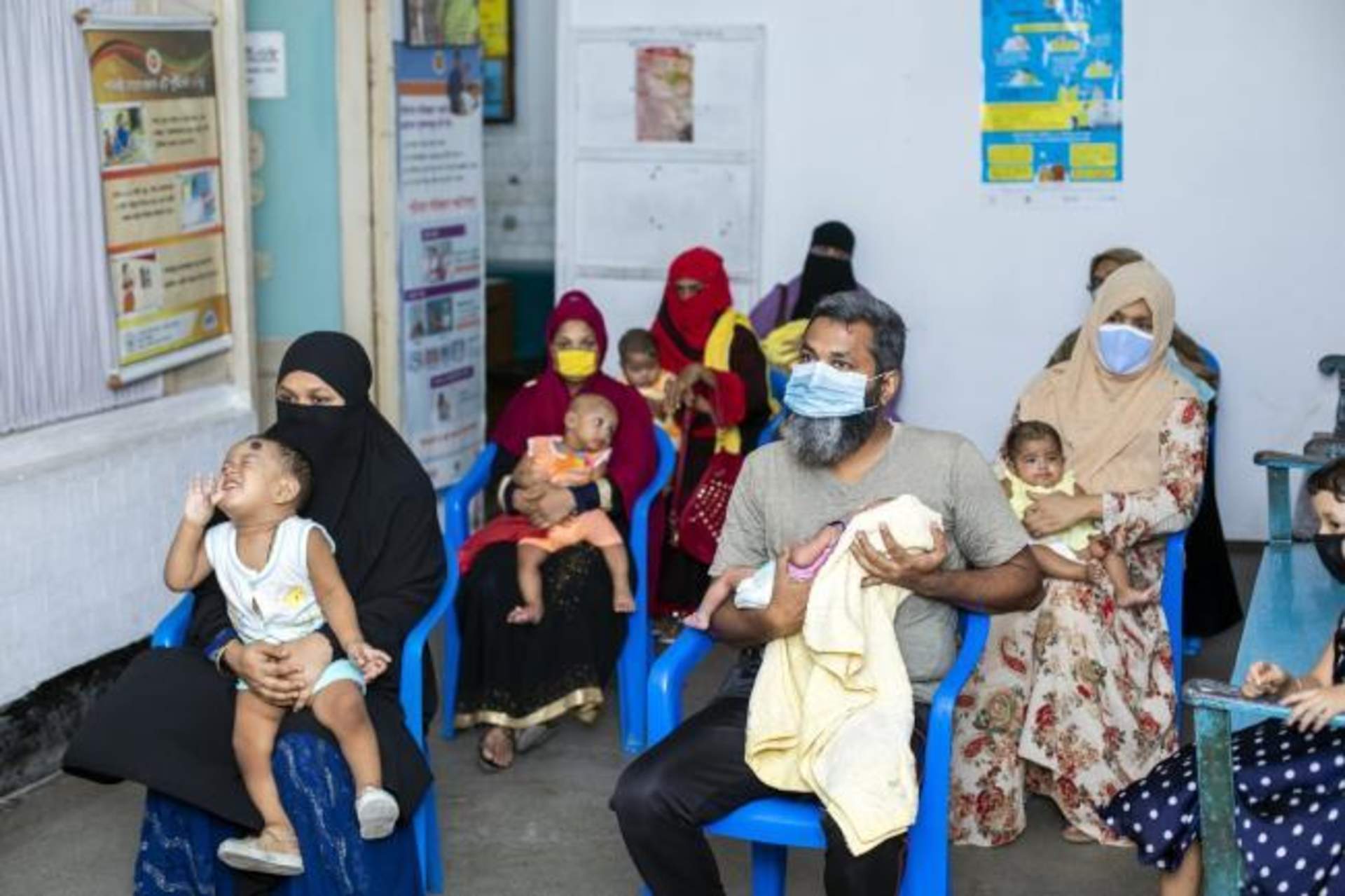
Bangladesh’s fight against measles has become a major public-health emergency, with more than 202,000 suspected cases reported since mid-March 2026 and vaccination gaps leaving thousands of children vulnerable. The outbreak is raising urgent questions about routine immunisation, health-service access and the country’s ability to reach children who are most at risk.
The World Health Organization (WHO), citing national surveillance data, reported 22,000 laboratory-confirmed cases and 1,147 deaths as of October 9. A report published by The Daily Star on October 20 put the combined number of suspected and confirmed measles deaths at 1,201, underscoring the continuing human cost of the outbreak.
Children have borne the heaviest burden. According to Reuters, 94% of reported deaths were among children under five, making the crisis particularly alarming for families and health workers.
The outbreak is also a warning about the limits of emergency vaccination campaigns when routine health services fail to reach every eligible child.
How Bangladesh’s vaccination gaps became a crisis
Bangladesh previously made substantial progress in measles prevention through routine immunisation. But vaccination coverage weakened, and supply disruptions and gaps in health-service delivery left more children susceptible to infection.
In an April 2026 outbreak assessment, WHO identified vaccine stockouts during 2024–2025, declining routine vaccination coverage and the absence of regular nationwide supplementary measles-rubella campaigns since 2020 as contributing factors.
Political disruption and difficulties maintaining health services also complicated the response, according to reporting by Reuters. Health-worker shortages, incomplete records and problems identifying children who had missed vaccinations made it harder to assess the scale of the immunity gap.
Measles spreads readily through the air and can cause severe complications, including pneumonia, diarrhoea and inflammation of the brain. Young children, particularly those who are malnourished or otherwise vulnerable, face a greater risk of serious illness.
Comments
0Join the discussion
You must be logged in to leave a comment.