


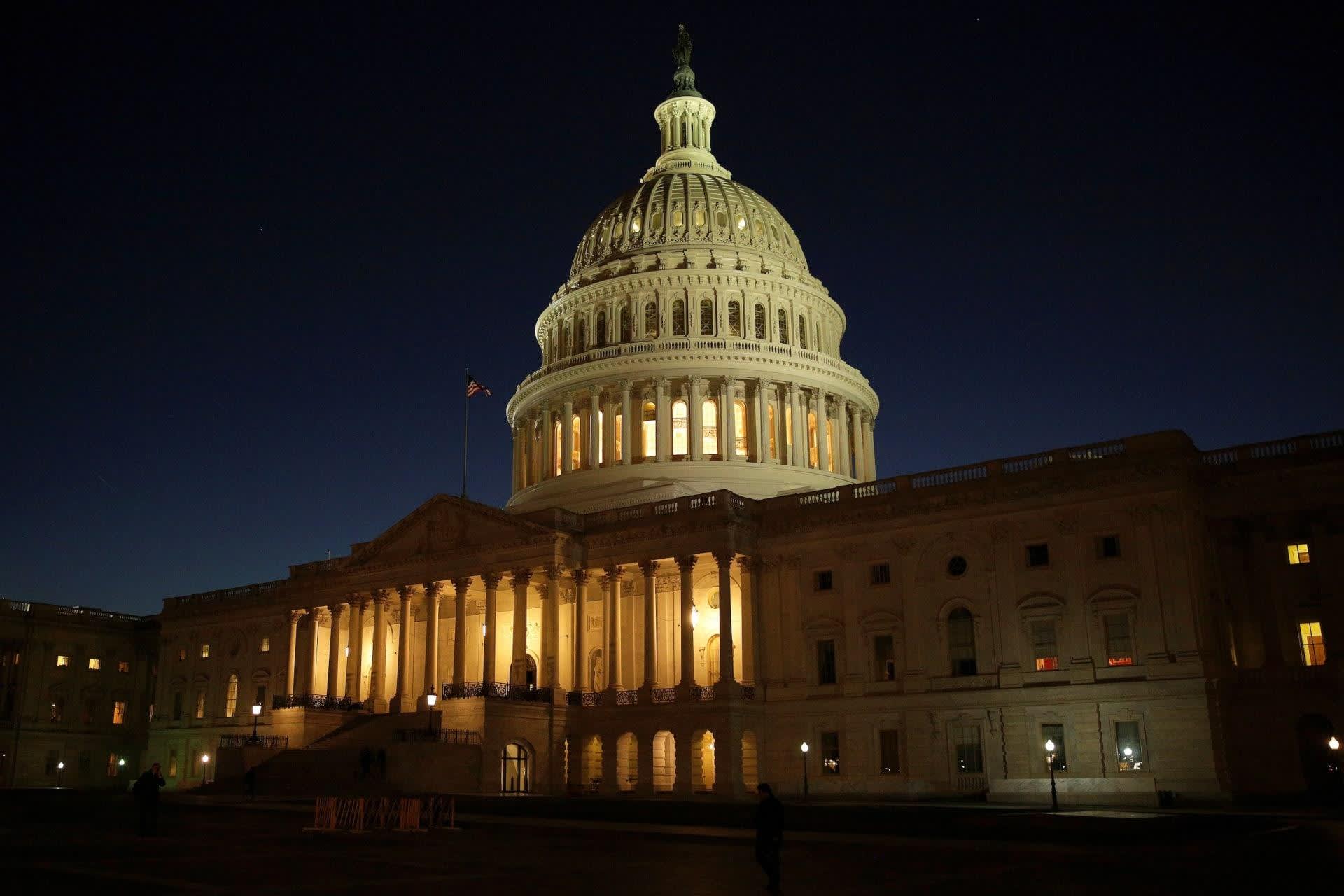
Democrats have won control of both chambers of the US Congress in the November 3 midterm elections, delivering a major political setback to President Donald Trump and changing the balance of power in Washington for the final two years of his presidency.
The victories give Democrats control of the House of Representatives and Senate when the new Congress takes office in January 2027. The result ends Republican control of both chambers and creates a divided-government environment in which the president will face stronger congressional opposition.
According to Reuters and the Associated Press, Democrats made significant gains in states that have traditionally favoured Republicans, including Texas, Kansas, Ohio and South Carolina. Their victories extended beyond congressional races, with important gubernatorial contests also shifting in the party's favour.
The outcome represents a major reversal from the political balance established after the 2024 presidential election.
Why the election matters
Midterm elections take place halfway through a US president's four-year term. All 435 seats in the House of Representatives are contested, alongside a portion of the Senate's 100 seats.
Although Trump remains president, losing congressional control significantly changes his political position.
Democrats will gain leadership of congressional committees, control over legislative agendas and greater authority to investigate the administration. They can hold hearings, demand documents and issue subpoenas as part of congressional oversight.
The Senate majority will also give Democrats substantial influence over presidential appointments, including federal judges and senior administration officials requiring Senate confirmation.
Reuters reported that Democrats are preparing to use their new position to scrutinise administration policies and seek greater accountability.
Trump still retains important presidential powers
The election result does not automatically prevent Trump from implementing his policies.
The president retains executive authority, including significant powers over foreign policy, immigration and federal administration. He can also veto legislation passed by Congress.
The Senate filibuster is another major obstacle to Democratic legislative ambitions. Most ordinary legislation requires 60 votes to overcome a filibuster, meaning Democrats will generally need support from Republicans to advance major bills.
The new congressional majority could therefore produce more investigations, political confrontations and legislative deadlock rather than an immediate reversal of the administration's policies.
What happens next?
The transition to Democratic congressional control will take place in January 2027, when the newly elected lawmakers begin their terms.
The immediate focus will be on congressional leadership, committee appointments, the legislative agenda and investigations that Democrats have discussed during the election campaign.
The result also sets the stage for an increasingly competitive political environment ahead of the 2028 presidential election.
For Trump, the remaining two years of his presidency will involve governing with a Congress controlled by the opposition party. For Democrats, the challenge will be turning their electoral victory into effective oversight and tangible policy outcomes.
The election has changed the political balance in Washington. How much it changes American policy will depend on the new Congress, negotiations with the White House and the limits of presidential and congressional powers.




Comments
0