

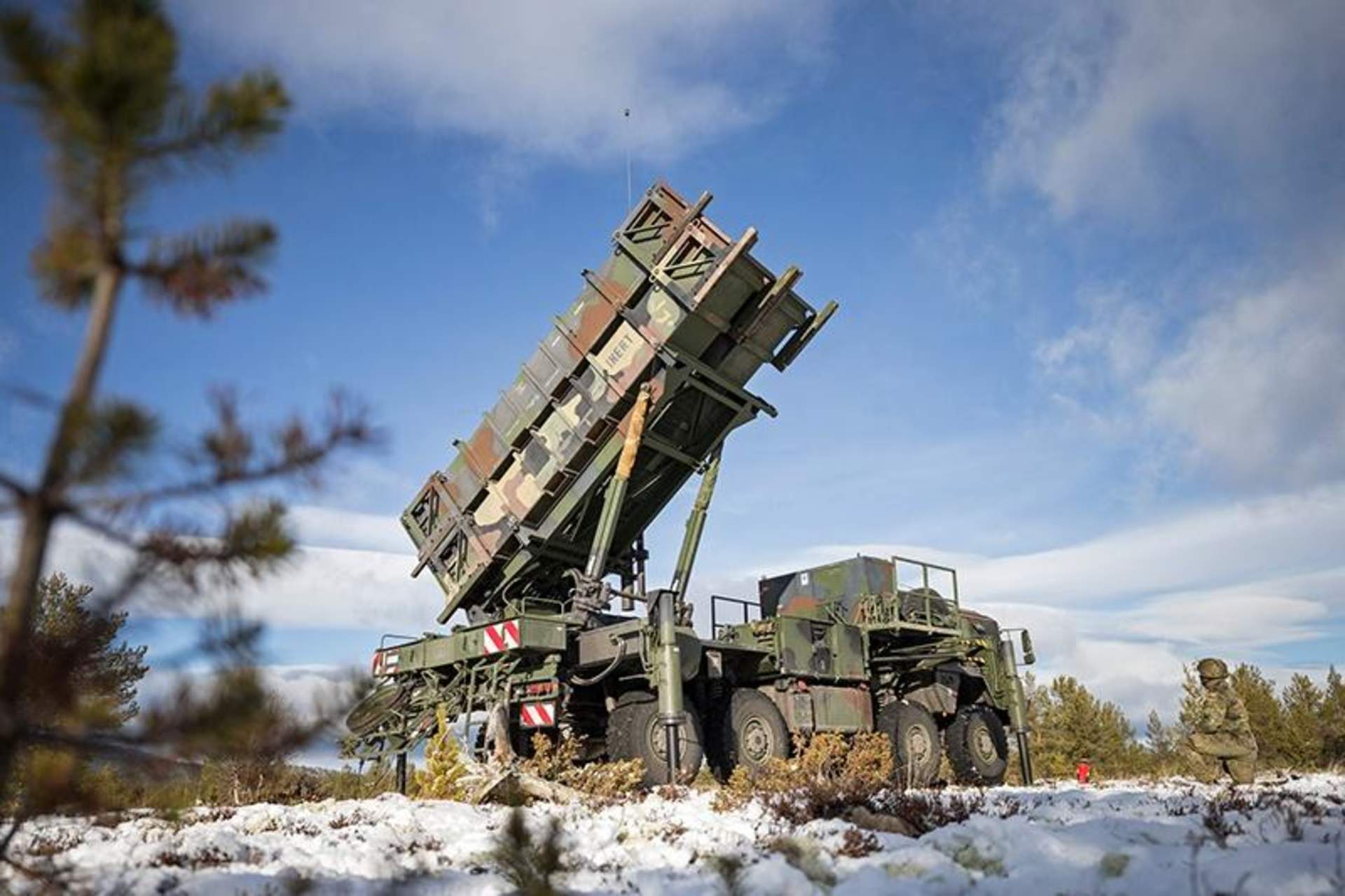
The United States has approved a proposed $2.1 billion sale of 500 Patriot air-defence interceptors to Ukraine, but the decision may not deliver immediate relief for Kyiv as it prepares for another winter of Russian attacks.
The US State Department announced the approval on October 30, 2026. The package covers 500 Patriot Advanced Capability-3 Missile Segment Enhancement (PAC-3 MSE) interceptors, along with associated spare parts, logistics and support. Lockheed Martin, the US defence contractor that manufactures the missiles, will serve as the principal contractor.
The purchase is expected to be financed by contributions from Canada, Germany and Norway through the US JUMPSTART programme, alongside Ukrainian funding supported by the European Union’s Ukraine Support Loan. The US government said the proposed sale would advance American foreign-policy and national-security objectives by strengthening Ukraine’s air and missile defences.
However, approval is not the same as delivery. Ukrainian President Volodymyr Zelenskyy welcomed the decision but warned on October 31 that the current arrangement could mean deliveries would begin only in a few years. He urged Washington and its partners to find a way to supply interceptors from existing stockpiles while new missiles are manufactured.
Why Ukraine needs the interceptors now
Patriot systems are a key part of Ukraine’s defence against Russian ballistic missiles, which can threaten cities, military facilities and critical infrastructure. The interceptors are particularly important because relatively few air-defence systems can reliably engage certain types of ballistic missile.
Ukraine has repeatedly warned that its supply of Patriot ammunition is inadequate for the scale of the threat. Zelenskyy said this week that the country had received an average of only 12 Patriot interceptors per month in 2026, underscoring the gap between available supplies and operational demand.
The timing is especially significant as Russia intensifies attacks on Ukraine’s energy infrastructure ahead of winter. Damage to electricity generation, heating networks and other essential services could make the coming months more difficult for civilians as temperatures fall.


Comments
0Join the discussion
You must be logged in to leave a comment.