


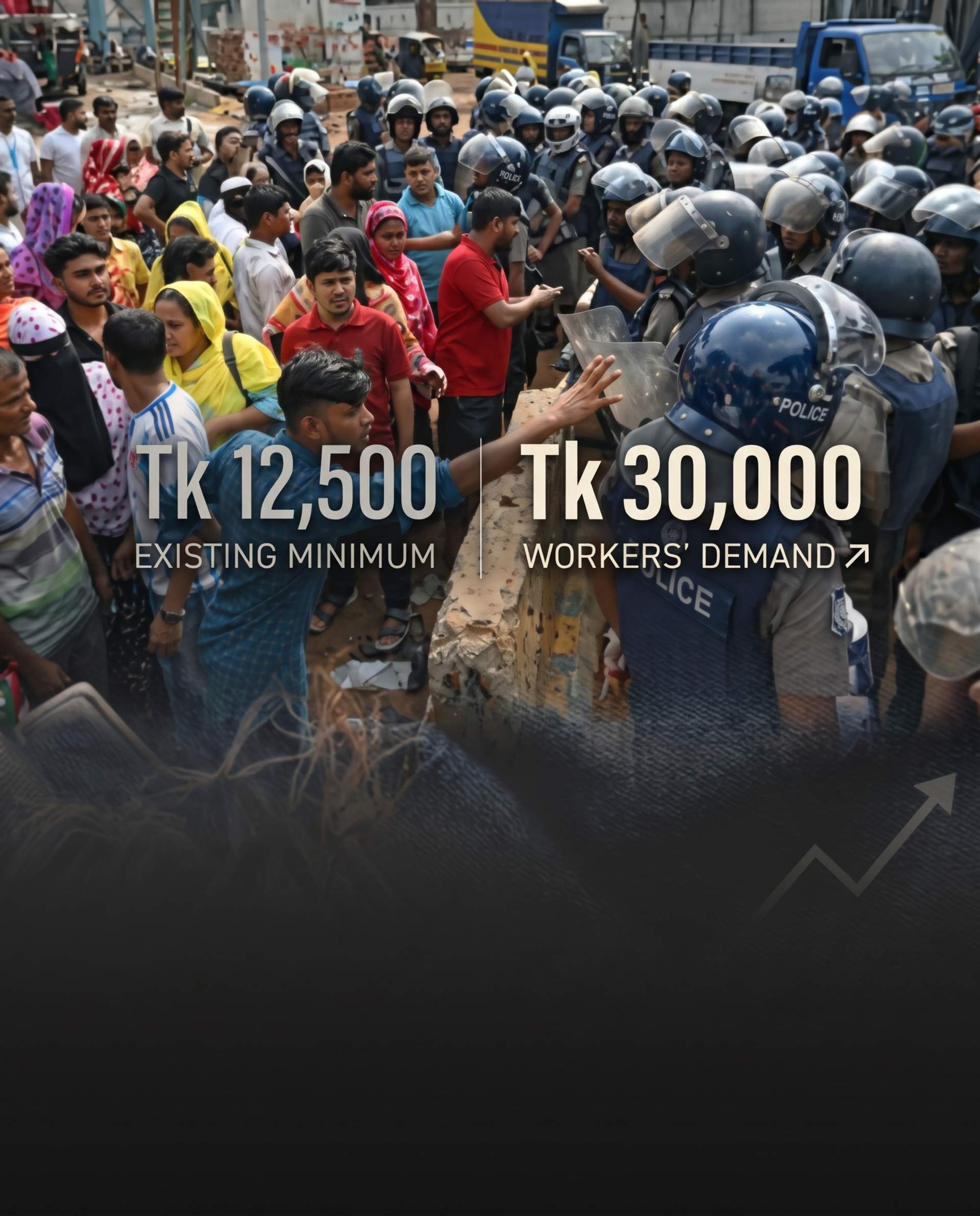
Fresh protests by garment workers in Bangladesh forced more than 100 factories in the Ashulia industrial zone to suspend operations on Thursday, November 5, deepening disruption in the country's crucial export industry despite an agreement to introduce a revised minimum-wage structure from December.
Workers are demanding that the minimum monthly wage increase from Tk 12,500 to Tk 30,000, arguing that rising food, housing and transport costs have made their current earnings increasingly difficult to live on.
The latest demonstrations continued even after the newly formed wage board agreed on November 4 to introduce a revised pay structure from December 1. Workers are expected to receive their first salaries under the new structure in January.
However, the size of the proposed increase has not yet been determined, leaving one of the movement's central demands unresolved.
Why workers are continuing to protest
The wage dispute has developed into a wider labour crisis across Bangladesh's garment-producing areas.
Demonstrations began on October 31 and spread across industrial locations including Ashulia, Savar, Gazipur and parts of Dhaka. Hundreds of factories have experienced temporary closures during the unrest.
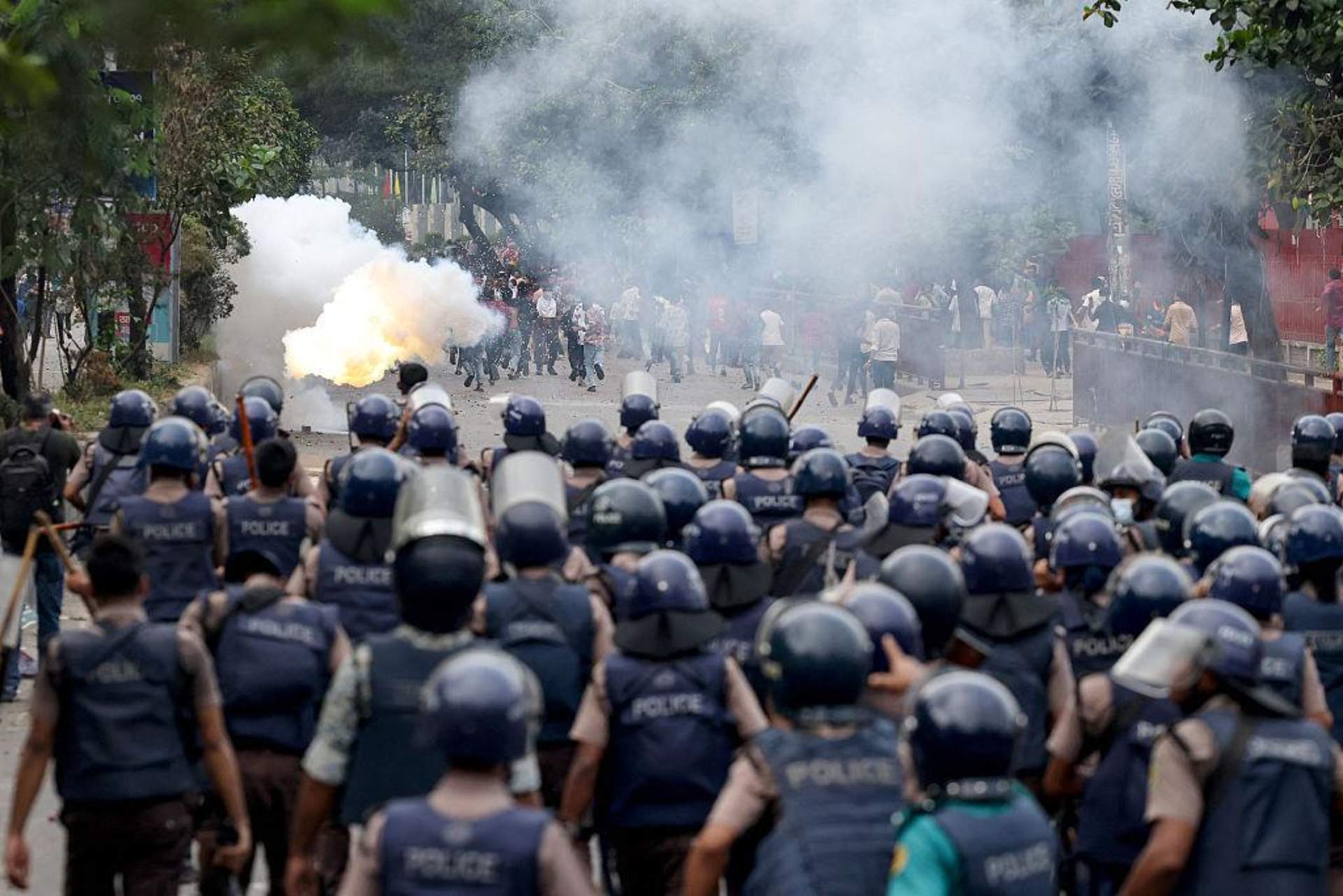
Police have used tear gas and sound grenades to disperse demonstrators in several locations. Additional security personnel have also been deployed as authorities attempt to prevent further disruption.
The workers' demand for Tk 30,000 represents more than double the existing minimum monthly wage of Tk 12,500, which took effect in December 2023.
The government formed a six-member minimum-wage board on November 1 to review the sector's pay structure. Its first meeting on November 4 established the December implementation timeline, but further discussions will be needed to determine the actual wage levels.
Why the disruption matters beyond the factories
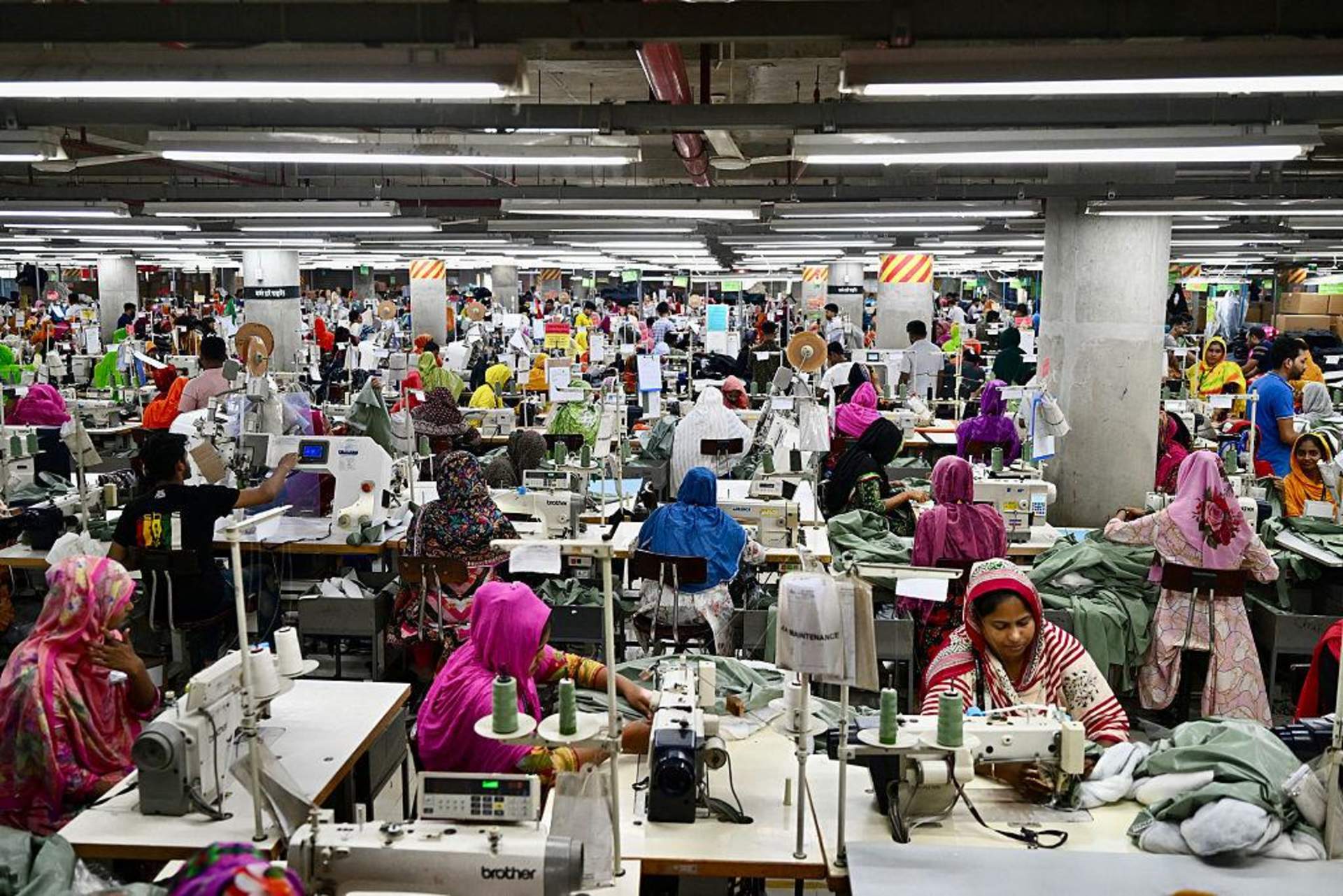
Bangladesh's ready-made garment industry employs approximately four million people and generates more than 80 percent of the country's export earnings.
The industry is also an important supplier to international clothing retailers, making production stability essential for maintaining export orders and delivery schedules.
Prolonged factory shutdowns could delay shipments, disrupt manufacturing schedules and weaken confidence among international buyers, particularly during an important export period.
At the same time, the dispute highlights the challenge of balancing workers' living costs with the financial pressures facing manufacturers.
Workers want a meaningful improvement in their purchasing power, while factory owners must contend with production costs, international competition and uncertain demand.
What happens next?
The immediate question is whether the wage board can agree on a revised pay scale that addresses workers' demands and encourages factories to resume normal operations.
The December 1 implementation date provides a timetable, but it does not establish how much workers will actually receive.
Until the wage increase is determined and communicated clearly, the possibility of further industrial disruption remains.
For Bangladesh, the challenge is not simply restoring production. It is finding a sustainable wage agreement that protects workers' livelihoods while maintaining the competitiveness of an industry central to the national economy.
Comments
0