


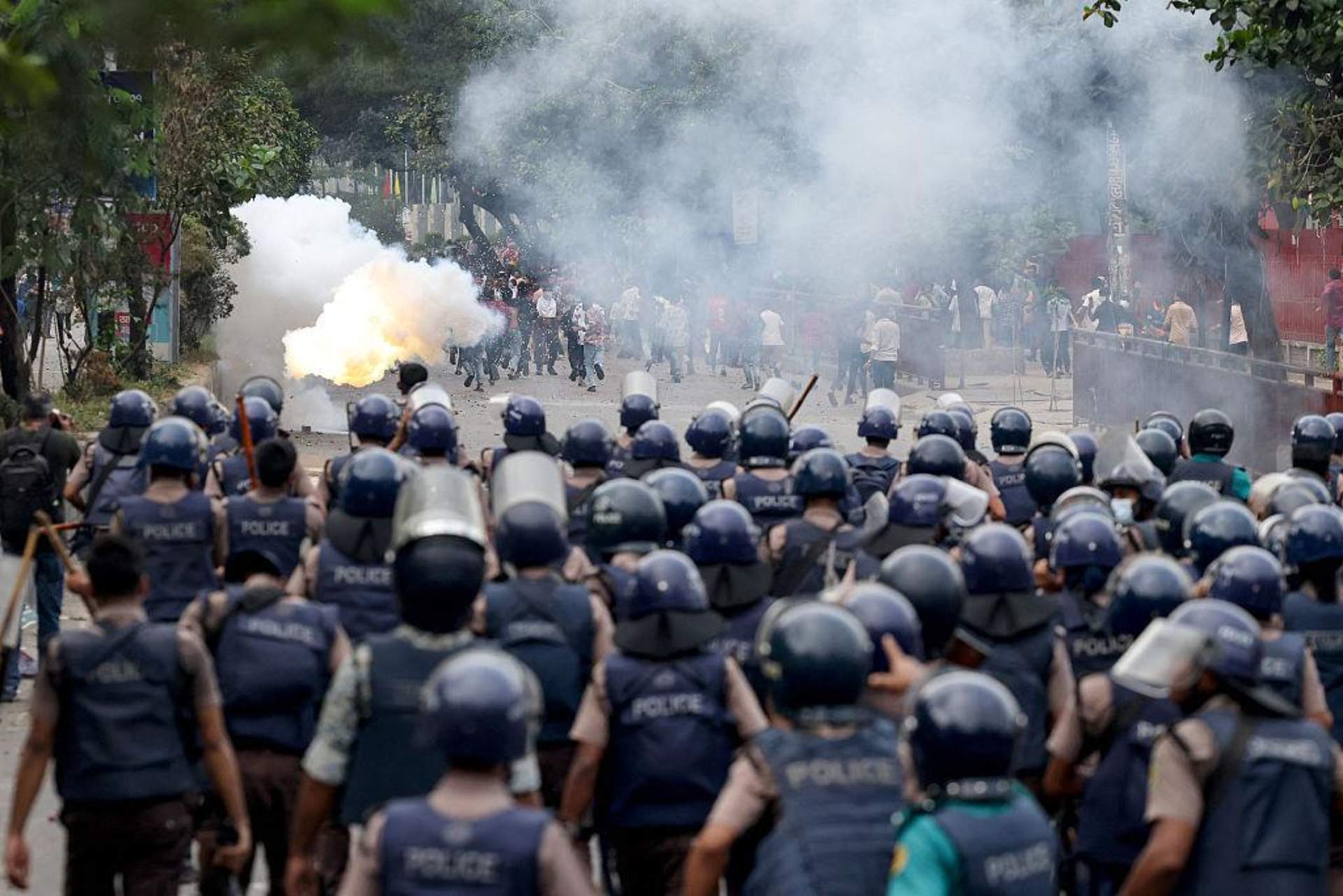
Garment workers demanding a higher minimum wage clashed with police in Narayanganj on Wednesday, November 4, as demonstrations continued across Bangladesh's major industrial areas and hundreds of factories faced production disruptions.
In Fatullah, workers gathered around 10am in the Shibu Market and Katherpool areas, attempting to block the Dhaka-Narayanganj Link Road. Police fired tear gas and sound grenades to disperse the demonstrators, triggering clashes and a chase between the two sides.
Two workers were injured and several protesters were detained, according to the United News of Bangladesh (UNB). Police later said the situation had come under control.
The demonstrations are part of a wider movement demanding an increase in the monthly minimum wage from Tk 12,500 to Tk 30,000. Workers say rising costs of food, housing, transport and healthcare have made their existing salaries increasingly difficult to sustain.
Wage board agrees on timeline for revised salaries
A significant development emerged on Wednesday when Bangladesh's newly formed Minimum Wage Board held its first meeting in Dhaka.
Representatives of garment factory owners and workers agreed that the revised wage structure would take effect from December 1, with workers expected to receive their increased salaries in January 2027.
However, the amount of the new minimum wage has not yet been determined.
The board will receive separate proposals from employer and worker representatives before proceeding with discussions on the revised pay structure. Its chairman, Syed Azad Subhani, said the process would move forward following the initial meeting.
The government established the six-member wage board on November 1 following several days of labour unrest.
Thousands of workers affected by industrial unrest
The protests have spread across several important manufacturing centres, including Mirpur, Gazipur, Savar, Ashulia and Narayanganj.
The Associated Press reported on Wednesday that around 100 factories remained closed in Ashulia, while hundreds of factories had experienced shutdowns during the unrest.
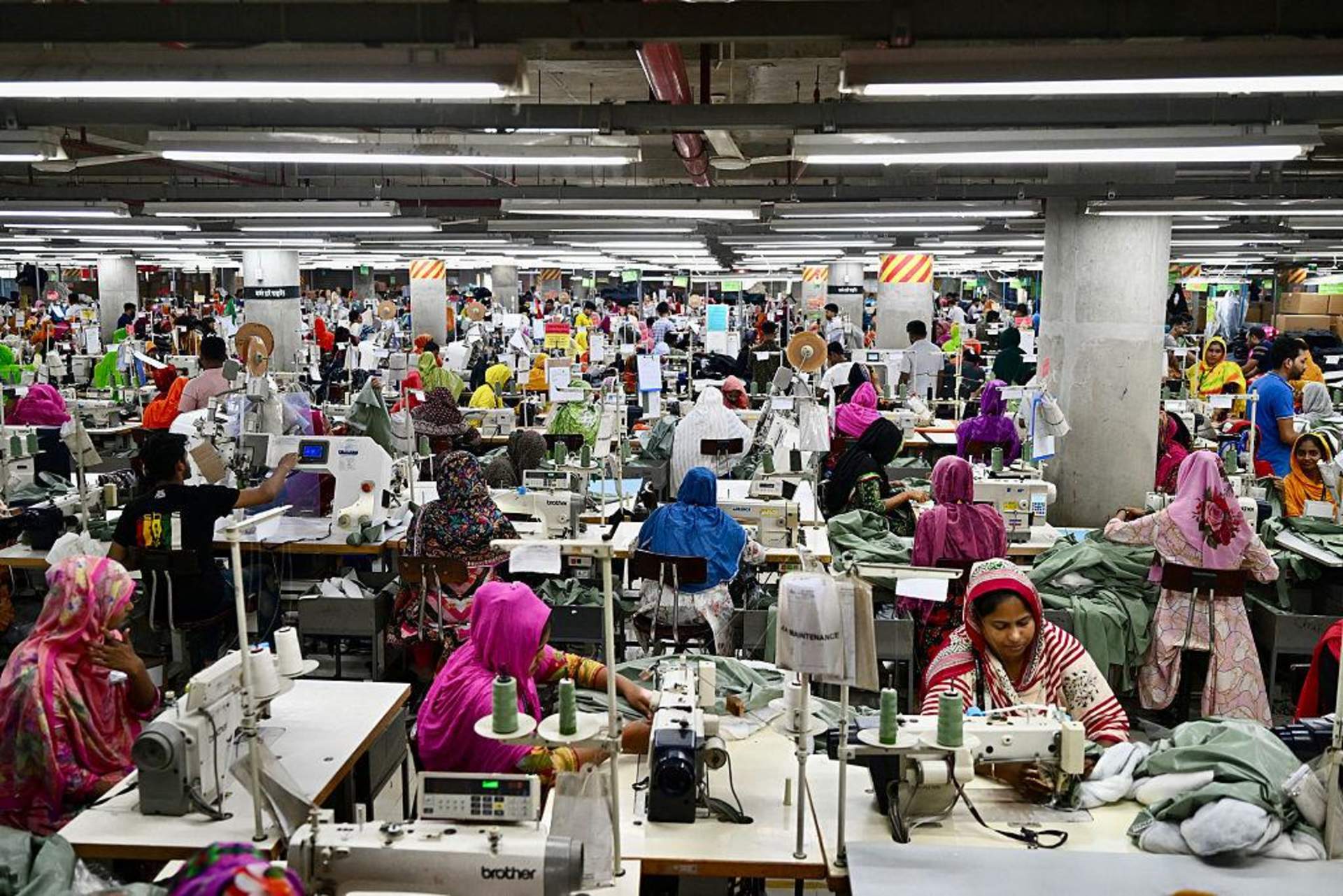
Bangladesh's ready-made garment industry employs approximately four million people, most of them women, and generates around $40 billion in annual export earnings.
The disruption therefore extends beyond individual factories. Prolonged production stoppages could affect shipment schedules, international orders and the confidence of overseas buyers.
Reuters has also reported that the unrest is testing Bangladesh's competitiveness in the global apparel market, where manufacturers face pressure from rising production costs and competition from other exporting countries.
What happens next?
The immediate challenge for the government, factory owners and labour representatives is to turn the wage board's announced timetable into an agreement that workers consider acceptable.
Although the December implementation target and January payment schedule represent progress, the central question remains unanswered: how much will the new minimum wage actually be?
Workers have also raised concerns about workplace rights, dismissals and other employment conditions.
For Bangladesh, the dispute highlights the difficult balance between improving the livelihoods of millions of garment workers and protecting the reliability of one of the country's most important export industries.
The coming weeks will be important as the wage board considers proposals and attempts to reach a settlement while factories work to restore normal production.
Comments
0