

Bangladesh has secured an additional three years to prepare for graduation from the United Nations’ least developed country (LDC) category, giving the country until November 24, 2029, to strengthen its economy and prepare for changes in international trade preferences.
The United Nations General Assembly approved the extension following a request from Bangladesh for more time to address economic vulnerabilities, improve export competitiveness and implement domestic reforms. Nepal was granted the same extension.
Bangladesh had been scheduled to graduate from the LDC category on November 24, 2026, after meeting the UN’s graduation criteria in consecutive reviews. The new decision extends the preparatory period rather than reversing the country’s eligibility for graduation.
Why Bangladesh requested more time
The government sought an extension amid uncertainty in global trade, geopolitical tensions, disruptions to energy and supply chains, and persistent domestic economic challenges.
According to the resolution described by Bangladeshi news organisations, the UN acknowledged the difficulties facing Bangladesh and the need to address structural vulnerabilities during the extended period.
The decision follows a review process involving the UN Committee for Development Policy and the UN Economic and Social Council. The Committee for Development Policy supported an extension on the condition that Bangladesh make significant progress on domestic reforms.
What the extension means for exporters
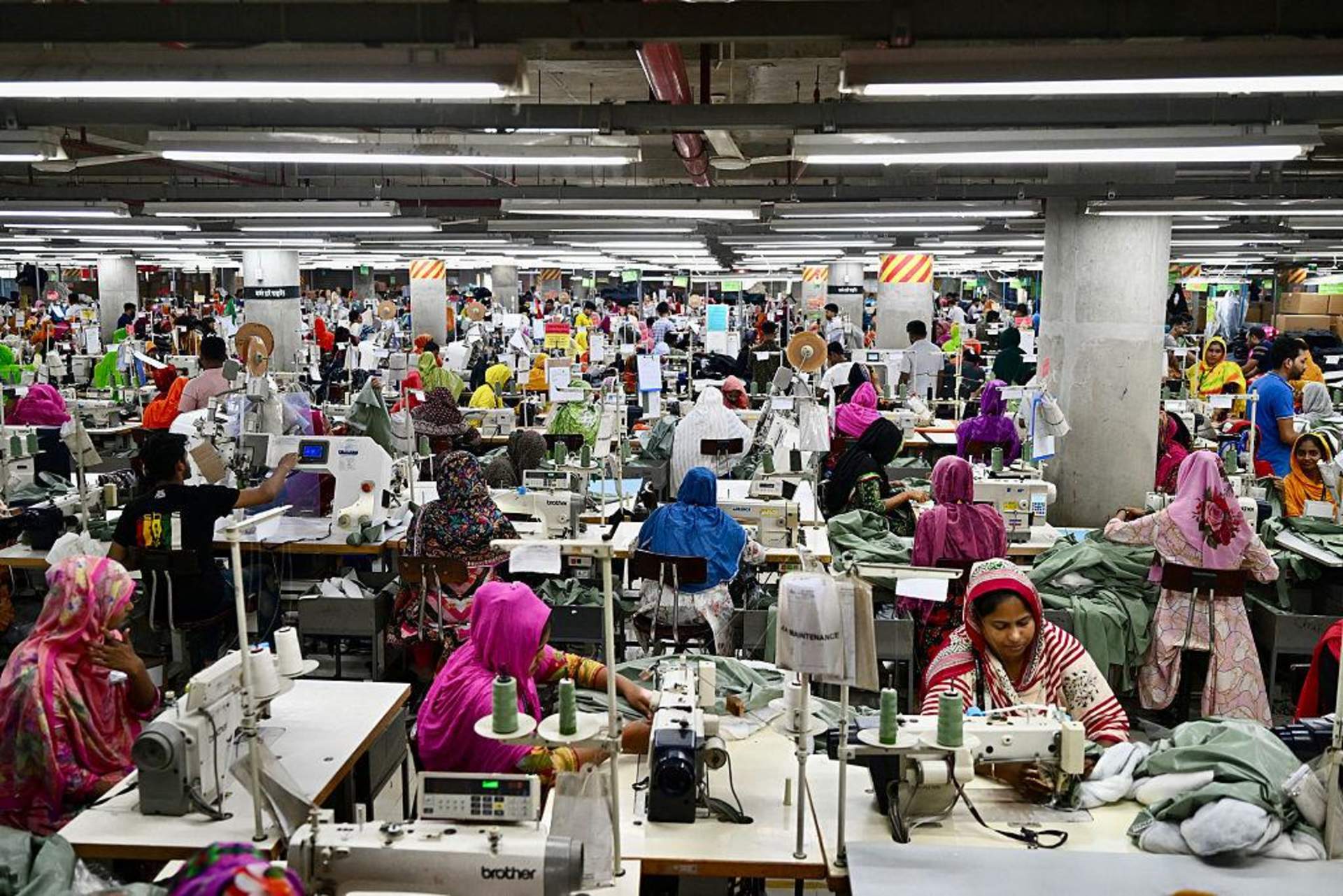
The additional time matters particularly for Bangladesh’s export-oriented industries, including ready-made garments, which play a major role in the country’s economy.
Graduation from LDC status can affect access to preferential trade arrangements in important export markets. Bangladesh therefore faces the challenge of preparing businesses for potentially less favourable market-access conditions as individual trade preferences change.
The extension provides additional preparation time and an opportunity to strengthen competitiveness. However, the precise benefits available to exporters will depend on the rules and arrangements of individual markets and trading partners.


Comments
0Join the discussion
You must be logged in to leave a comment.