BangladeshistBangladeshistBangladeshist
HomeBusinessEntertainmentGeneralOpinion
About UsContact UsPrivacy Policy
Terms of ConditionsFAQ
FacebookInstagramYouTubeTwitterTikTok
BangladeshistBangladeshist

© 2026 Bangladeshist. All rights reserved.

  1. Home
  2. Finance
  3. How Inflation Works and Why Prices Rise
Finance

How Inflation Works and Why Prices Rise

Learn how inflation raises everyday prices, reduces purchasing power and affects household budgets. Explore the main causes of inflation, how it is measured, and what households, governments and central banks can do to manage its effects.

PlabonnWednesday, October 28, 2026Source:IMF, Bank of England, Bangladesh Bank20 min read
How Inflation Works and Why Prices Rise

Inflation changes what a household can afford, even when its income stays the same. When food, rent, transport, electricity and other everyday expenses become more expensive, families must stretch their budgets further or cut back on spending. The key to understanding inflation is not simply that prices rise, but why they rise, how quickly they increase and whether incomes keep pace.

Inflation is the rate at which the general price level of goods and services increases over time. It is different from the price rise of a single product. If the price of one vegetable increases because of a poor harvest, that alone does not mean the entire economy is experiencing inflation. Inflation occurs when price increases become broader across the economy.

The effects can be felt in very different ways. A household that spends most of its income on food and rent may experience a much greater squeeze than a wealthier family that spends a smaller share of its income on necessities. Understanding how inflation works helps explain why some budgets come under pressure even when the headline inflation rate appears moderate.

What Causes Inflation?

Inflation rarely has one simple cause. It can develop when demand grows faster than an economy's ability to supply goods and services, when production becomes more expensive, or when several pressures reinforce one another.

Demand-pull inflation occurs when consumers, businesses or governments want to buy more goods and services than producers can readily supply. If demand rises faster than production, businesses may increase prices. Lower borrowing costs, rising incomes, strong consumer spending and increased government expenditure can contribute to stronger demand, although their effects depend on economic conditions.

Cost-push inflation begins when the cost of producing or delivering goods and services increases. Businesses may face higher prices for fuel, electricity, raw materials, wages, packaging, transport or imported components. Some absorb these costs by accepting lower profits; others pass part of the increase to customers.

Food and energy markets can be particularly important. A poor harvest, extreme weather, disrupted shipping or a rise in global oil prices can make essential products more expensive. Higher transport and production costs may then spread through the wider economy.

Read More

All Stories in Read More →
Singapore and Indonesia Join Forces to Hold Companies Accountable for Forest Fires
Business

Singapore and Indonesia Join Forces to Hold Companies Accountable for Forest Fires

Singapore and Indonesia will establish a joint task force to investigate companies potentially linked to forest fires and strengthen cross-border enforcement against the haze affecting Southeast Asia.

6 min readOct 28
Bangladesh, Japan Target $6.34 Billion Investment Plan and 200,000 Jobs
Business

Bangladesh, Japan Target $6.34 Billion Investment Plan and 200,000 Jobs

Currency movements can add another layer of pressure. When a country's currency loses value against the currencies used to pay for imports, imported fuel, machinery, raw materials and some food products can become more expensive in local currency. The final effect depends on international prices, contracts, taxes, subsidies and how much of the cost importers and retailers pass on to consumers.

Money and credit conditions also matter. If spending power expands persistently faster than the economy's capacity to produce goods and services, inflationary pressure can build. However, it would be misleading to blame every price increase on money creation alone. Supply disruptions, demand, exchange rates, market competition and expectations can interact in complicated ways.

Expectations can keep inflation going, too. If businesses expect their costs to rise, they may increase prices in advance. Workers may seek higher wages to protect their living standards. If wages, prices and costs repeatedly adjust upward, inflation can become more persistent.

Photo: collected
Photo: collected

How Inflation Is Measured

Economists commonly use the Consumer Price Index (CPI) to measure consumer inflation. Statistical agencies track the prices of a basket of goods and services that represents household spending, including items such as food, housing-related expenses, clothing, transport, healthcare and other services.

The percentage change in that index over a period, often compared with the same month a year earlier, gives the inflation rate for that period. The exact basket and its weights vary by country and are updated to reflect changes in spending patterns.

Consider a simplified example. If a representative basket costs Tk 10,000 one year and Tk 10,800 the next, its price has increased by 8%. The annual inflation rate represented by those two figures is 8%.

But this does not mean every item became 8% more expensive. Rice might rise by a different percentage, transport fares might remain unchanged, and some products might even become cheaper. The inflation rate summarises the overall movement of the measured basket.

This distinction explains why the official rate does not always match a family's personal experience. A household that spends a large share of its income on food may face faster cost increases than the average basket suggests if food prices rise particularly quickly. Another household that spends more on services whose prices change slowly may experience a different rate.

Purchasing Power: What Your Money Can Buy

Purchasing power is the amount of goods and services that money can buy. When prices rise while income remains unchanged, purchasing power falls.

Imagine a household earns Tk 30,000 per month and spends Tk 20,000 on its usual basket of necessities. If the cost of that basket increases by 10%, it becomes Tk 22,000. The household now has Tk 8,000 left for other needs instead of Tk 10,000, assuming income and all other expenses remain unchanged.

If the household's income also rises by 10%, from Tk 30,000 to Tk 33,000, its purchasing power relative to that particular basket may be broadly maintained. But if income rises by only 5%, the family still faces a loss in real purchasing power.

Economists call income adjusted for changes in prices real income. Nominal income is the amount received in money; real income reflects what that money can buy.

The same principle applies to savings. Money held in cash may retain its numerical value, but its purchasing power declines when prices rise. If savings earn an interest rate below inflation, their real value generally falls over time, before considering taxes and fees.

Inflation does not affect everyone equally. People on fixed incomes, workers whose wages adjust slowly and households with little room to reduce essential spending can be especially exposed. Borrowers and savers can experience different effects depending on their interest rates, loan terms and income growth.

Photo: collected
Photo: collected

Why Household Budgets Feel the Pressure

Household budgets are affected by more than the overall inflation rate. The type of expenses a family faces, the frequency of purchases and its ability to change spending all matter.

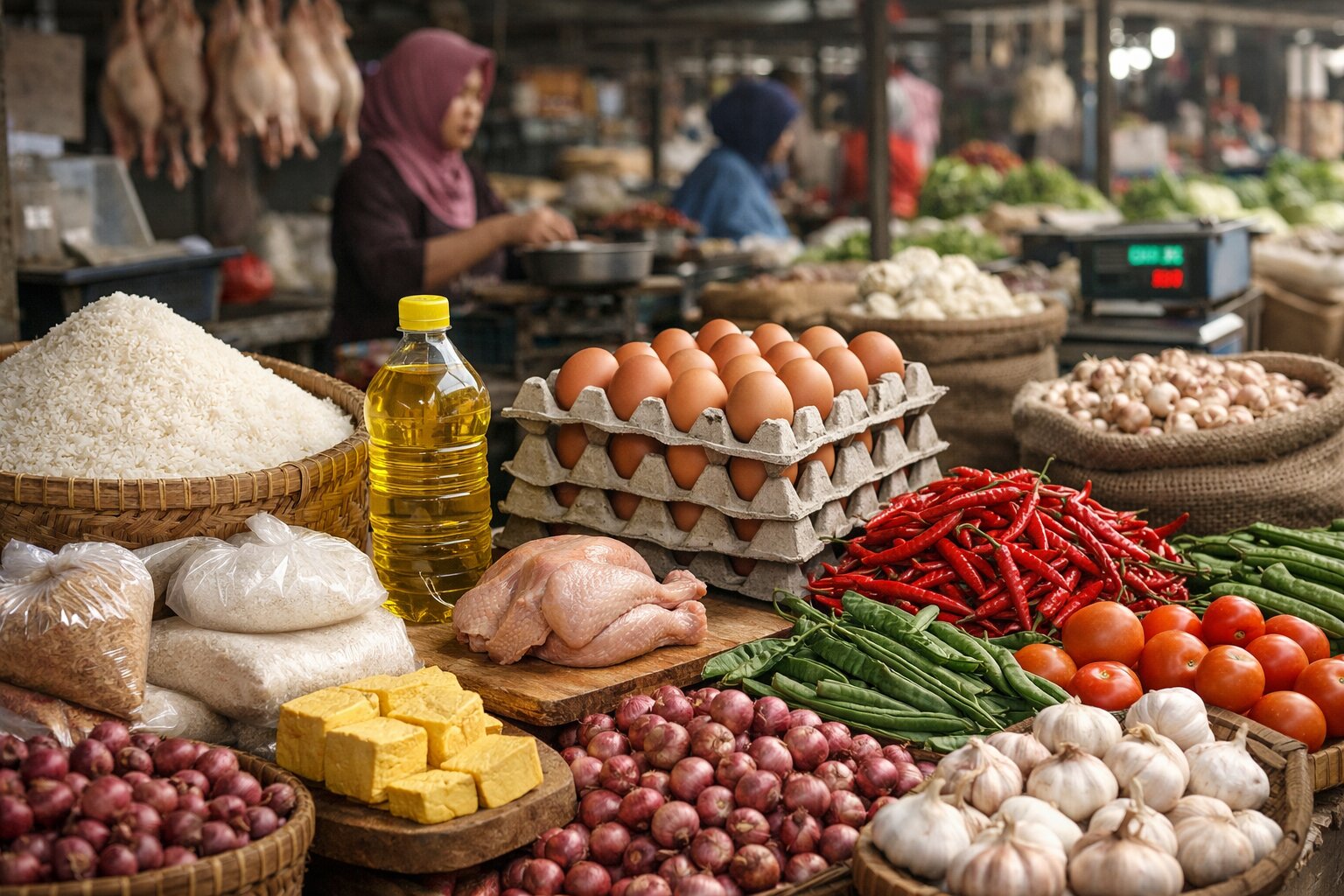
Food is a major concern because families cannot simply stop buying essential groceries. When rice, cooking oil, vegetables, eggs, fish or other staples become more expensive, households may switch products, reduce quantities or spend less on nutrition and other needs. These choices can be more difficult for lower-income families, which generally have less flexibility in their budgets.

Housing and utilities create another challenge. Rent, electricity, gas, water and maintenance can absorb a large portion of monthly income. When several of these expenses increase together, families may have little room to respond.

Transport costs also reach beyond the price of a bus ticket or fuel. Higher transport expenses can raise the cost of moving agricultural products to markets, delivering goods to shops and commuting to work. Businesses may pass some of those increases on through the prices of goods and services.

Education and healthcare can place additional pressure on budgets through tuition, supplies, medicines, consultations and transport. These expenses are often difficult to postpone when they are necessary.

For households in Bangladesh, these pressures can interact with dependence on imported fuel, edible oil, wheat, fertiliser and industrial inputs, as well as domestic harvest conditions, transport networks and exchange-rate movements. The importance of each factor varies over time. These are mechanisms through which prices can be affected, not a claim that every item is rising for the same reason.

What Can Governments and Central Banks Do?

Central banks commonly use interest rates and other monetary-policy tools to influence demand and inflation. When inflation is persistently high, higher interest rates can make borrowing more expensive, encourage saving and slow some forms of spending. With less pressure on demand, businesses may find it harder to keep raising prices.

However, monetary policy cannot immediately produce more food, repair a disrupted shipping route or lower the global price of oil. Higher borrowing costs can also affect investment, employment and economic growth. Policymakers therefore need to consider the source of inflation, the condition of the economy and the likely costs of their response.

Governments can address supply problems by improving transport and storage, supporting agricultural productivity, reducing unnecessary barriers to trade and strengthening competition. Carefully targeted assistance can help vulnerable households afford essential goods and services. Broad subsidies or price controls may offer short-term relief in some circumstances, but they can also create fiscal costs, distort incentives or contribute to shortages if poorly designed.

In Bangladesh, the Bangladesh Bank's monetary-policy statements set out its approach to supporting price stability alongside broader economic objectives. Monetary policy works best when considered alongside credible fiscal decisions and practical measures that improve the supply and distribution of essential goods.

What Households Can Do When Prices Rise

Individual families cannot control the national inflation rate, but they can take practical steps to understand and manage its effects.

Tracking spending for a month can reveal which categories are absorbing the largest share of income. Comparing prices across shops, planning meals, reducing avoidable food waste and reviewing recurring subscriptions or discretionary purchases can help preserve some flexibility. Families should also distinguish between costs that can be reduced and essential expenses that cannot realistically be avoided.

Where possible, an emergency fund can help cover unexpected costs without relying immediately on expensive borrowing. Before choosing a savings product or taking a loan, households should compare interest rates, fees, repayment terms and the effect of inflation on the value of their money. Not every family will have enough income to save, and budgeting alone cannot compensate for sustained increases in essential costs.

Employers, policymakers and financial institutions also influence how well households cope. Wage growth, access to affordable credit, competition, reliable supply chains and appropriately targeted public support can all affect whether families maintain their living standards.

When Inflation Slows, Do Prices Fall?

One of the most common misunderstandings about inflation is the belief that a lower inflation rate means prices have returned to their previous levels.

Usually, it does not.

If inflation falls from 10% to 5%, prices are still rising, but at a slower rate. This is known as disinflation. Prices generally fall across the economy only during deflation, when the overall price level declines. Even then, falling prices are not always a sign of economic health, particularly if they accompany weak demand, falling incomes and reduced investment.

This is why households can continue to feel financial pressure even after inflation begins to moderate. The earlier price increases remain part of the higher cost base unless prices actually decline or incomes catch up.

The most useful way to understand inflation is to look beyond one percentage figure. The causes of rising prices, the cost of essential goods, wage growth, savings returns and the share of income devoted to necessities together determine how inflation affects a family's standard of living.

Inflation becomes a household crisis when the cost of maintaining an ordinary life rises faster than the money available to pay for it. Understanding that gap is the first step toward better personal decisions and more effective economic policy.

Tags:#Bangladesh Economy#Inflation#Global Economy#cost of living#Purchasing Power#Personal Finance#Household Budget#Monetary Policy#Consumer Prices
share:

Comments

0

Join the discussion

You must be logged in to leave a comment.

Loading comments…

Most Read

1

Benin Thrash India 27–0 at U18 School Football World Cup

Oct 22
2

Toyota Solid-State EV Battery Enters Early Mass Production

Oct 10
3

NASA Delays Artemis Moon Landing to 2028 Over Starship Issues

Oct 8
4

Lionel Messi Bids Adieu in Argentina's 3-0 Farewell Win

Oct 7
5

E-Commerce Business Guide: How to Properly Set Up an Online Storefront

Jun 16

Popular Tags

#Bangladesh Economy#Barcelona#Inflation#Artificial Intelligence#UEFA Champions League#Bayern Munich#Bangladesh Bank#Real Madrid#PSG#Global Economy#Arsenal#Public Health

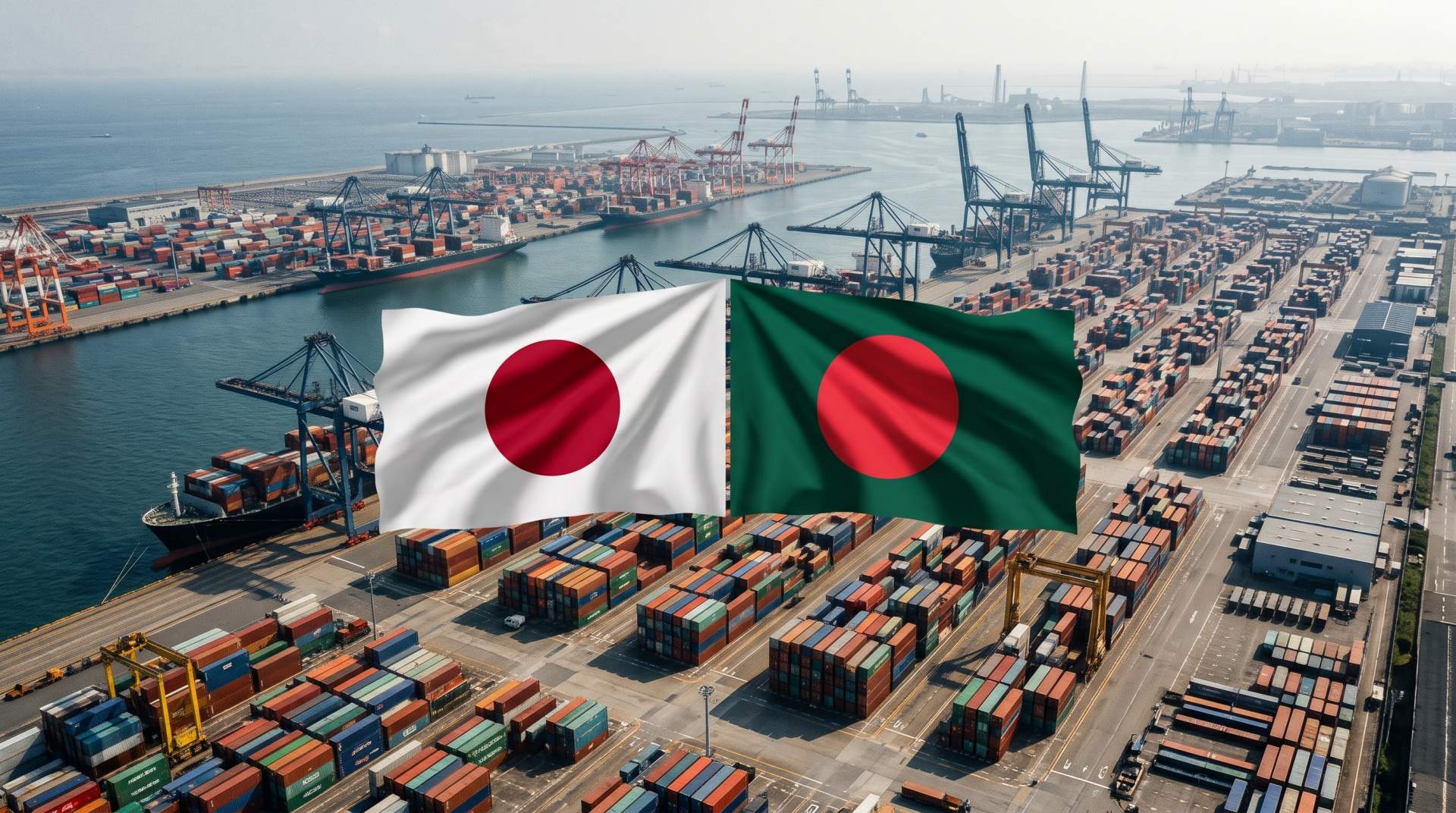
Bangladesh and Japan are targeting up to $6.34 billion in private investment over five years, with a potential 200,000 jobs as both countries expand cooperation in manufacturing, energy and technology.

9 min readOct 27
Bangladesh’s 7.5 Million TIN Holders Do Not File Tax Returns: What the Law Says
Finance

Bangladesh’s 7.5 Million TIN Holders Do Not File Tax Returns: What the Law Says

Around 7.5 million of Bangladesh’s 12.5 million TIN holders do not file annual tax returns. Here is what the figures reveal and why not every non-filer is automatically breaking the law.

5 min readOct 26
Bangladesh’s Japan Visit Puts Investment, Jobs and Exports in Focus
Business

Bangladesh’s Japan Visit Puts Investment, Jobs and Exports in Focus

Bangladesh’s prime minister is visiting Japan to pursue investment, expand exports and create jobs. The key question is whether proposed billions in investment and cooperation can translate into measurable economic gains.

11 min readOct 26
More stories in Finance