

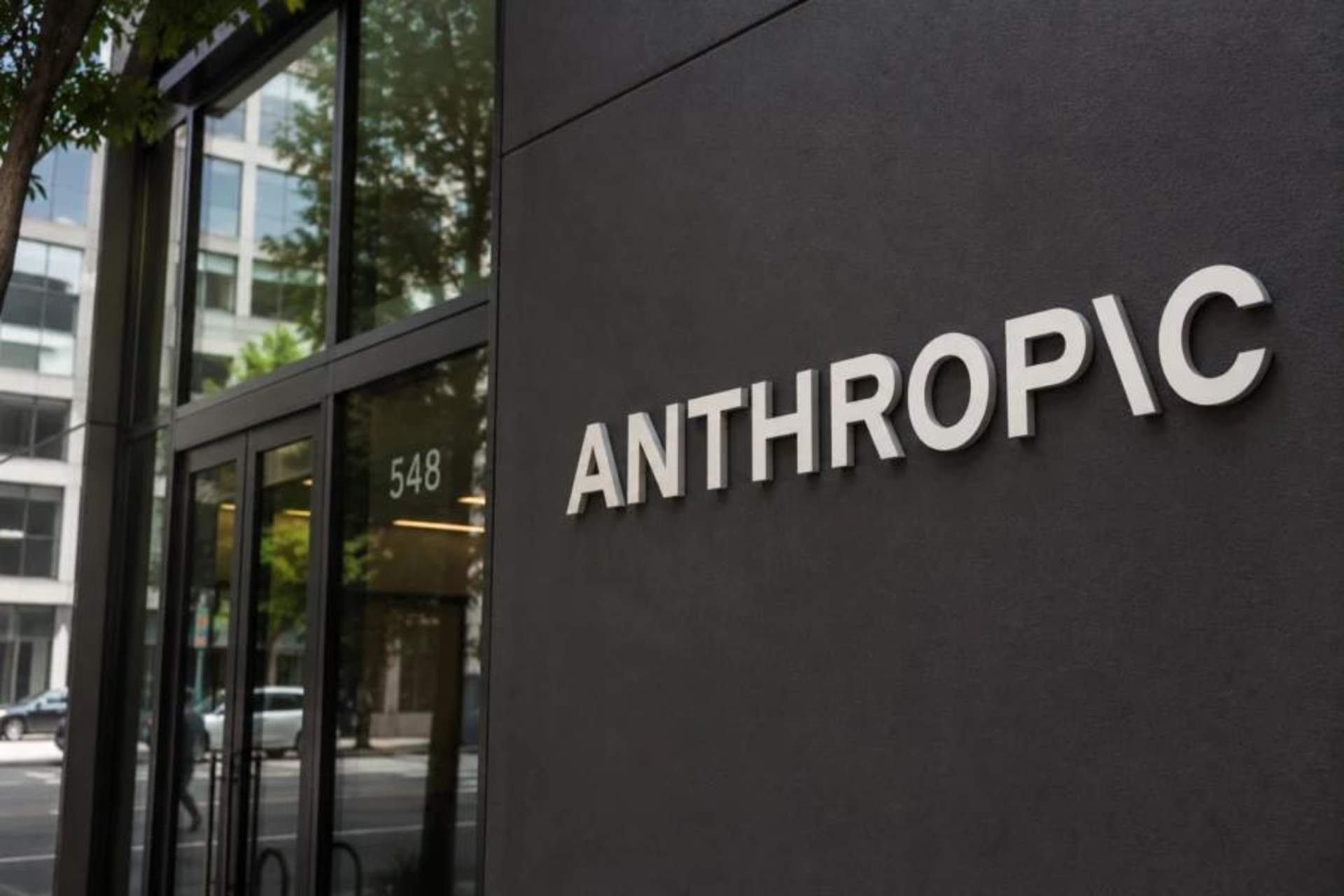
Anthropic, the artificial intelligence company behind Claude, has filed public paperwork for an initial public offering (IPO), moving closer to a potential stock-market debut while putting its business model, financial performance and AI-related risks under greater scrutiny.
The company filed a registration statement with the US Securities and Exchange Commission (SEC) on October 26. It intends to list its Class A common stock on the Nasdaq Global Select Market under the ticker symbol ANT. However, the filing does not mean the shares are ready to trade: the registration statement must become effective, and Anthropic has not yet set the number of shares to be offered or the price range. [Source: Anthropic; SEC]
The filing marks a significant step for a company that has become one of the most prominent challengers in the commercial AI market. Anthropic develops Claude, a family of AI models used for tasks including writing, software development, research and business work. A public listing would give investors a more formal way to buy into the company’s growth—and give the market a closer look at the economics behind that expansion.
Rapid growth, but an unusual financial picture
Anthropic’s registration statement provides investors with detailed information about its business and financial position. The company reported approximately $16.3 billion in revenue for the six months ended June 30, 2026, sharply higher than the same period a year earlier, according to reporting based on the filing.
The same reporting highlighted a reported net loss of about $80.7 billion for that period, largely linked to a substantial accounting charge associated with financing arrangements. That figure should not be read as a straightforward measure of the cash Anthropic spent operating its business. Investors will need to examine the filing’s accounting explanations, cash flows, contractual commitments and other financial disclosures to understand the company’s underlying economics.
The contrast between fast-growing revenue and a very large reported loss illustrates why headline figures alone cannot settle the question of whether an AI company is financially sustainable. Building and operating advanced AI systems can require significant spending on computing infrastructure, specialised chips, research and highly skilled staff. Revenue growth is important, but so are the costs of delivering services and the capital required to keep expanding.




Comments
0Join the discussion
You must be logged in to leave a comment.