

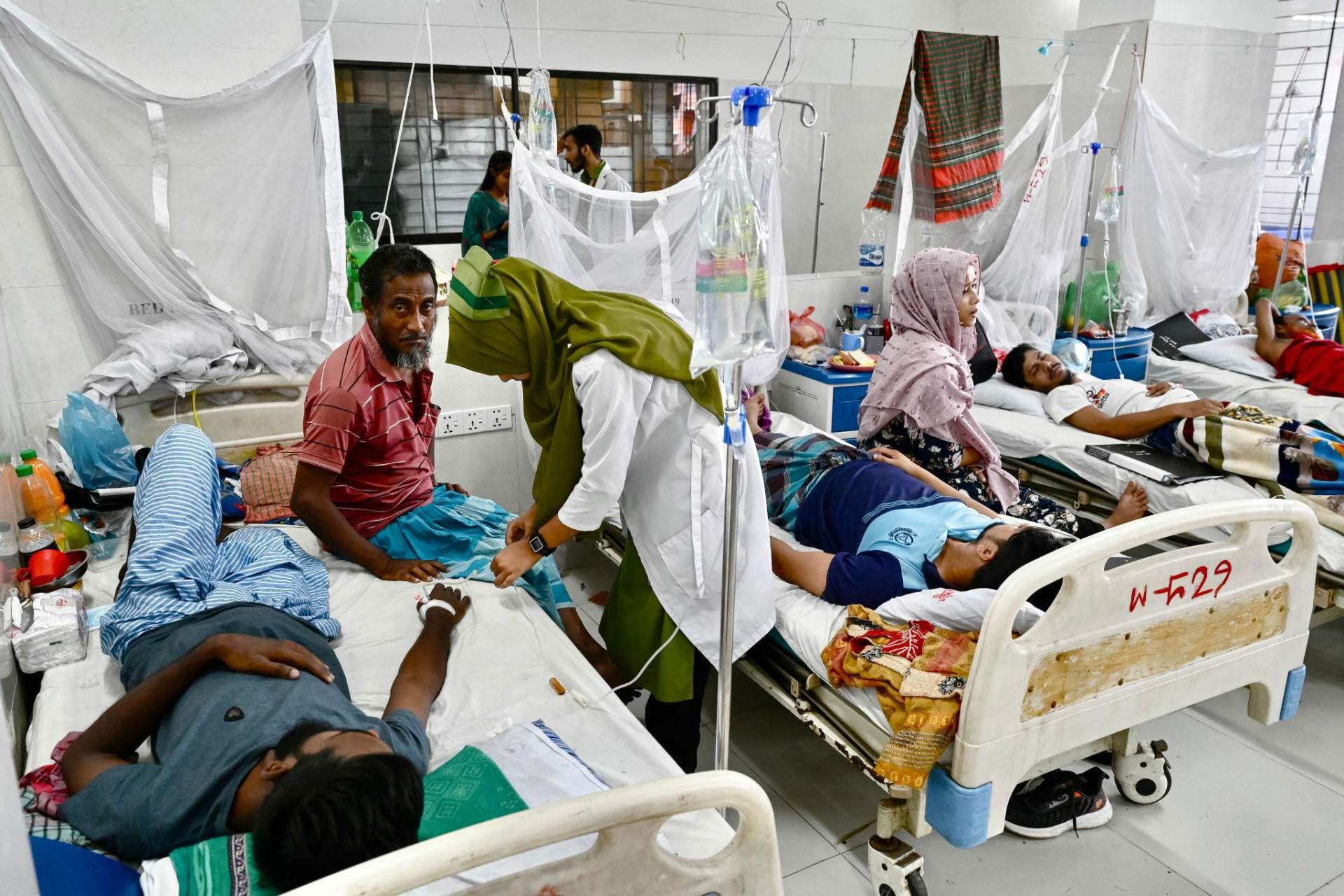
Bangladesh is facing a worsening public-health challenge as dengue infections surge alongside a continuing measles outbreak, putting additional pressure on hospitals despite government prevention and vaccination campaigns.
The latest figures from the Directorate General of Health Services (DGHS) show that 2,249 dengue patients were admitted to hospitals in the 24 hours to Sunday morning, October 25, the highest daily total reported so far this year. Seven dengue-related deaths were recorded over the same period, bringing the 2026 totals to 123,948 cases and 384 deaths.
The rise comes as October’s dengue caseload has already overtaken September’s. According to The Daily Star, Bangladesh recorded 44,328 dengue cases in the first 25 days of October, compared with 43,774 throughout September. October had also recorded 139 dengue deaths by that point, underscoring the continuing severity of the outbreak.
Two outbreaks, one strained health system
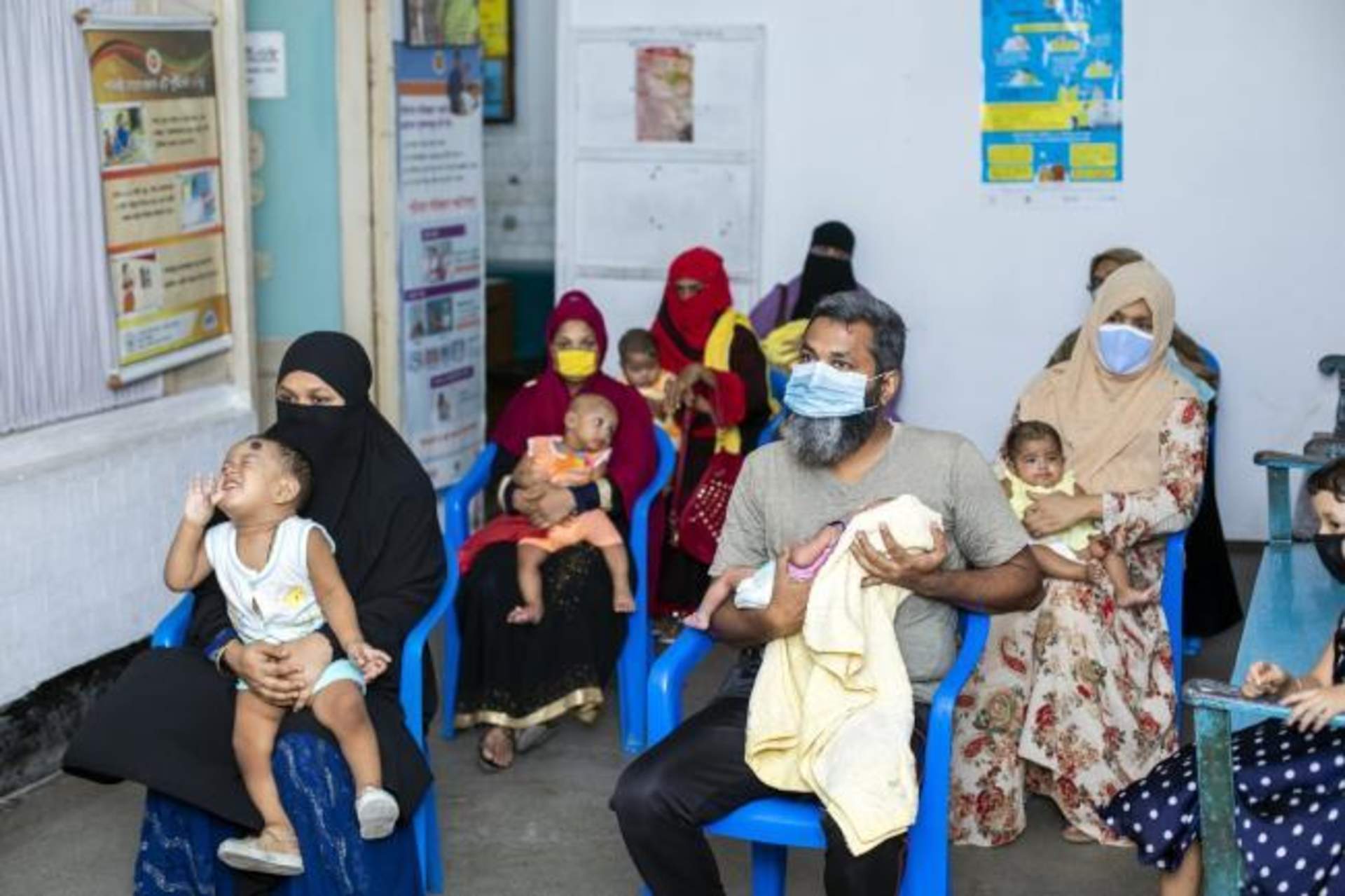
Dengue is not the only concern facing health authorities. Measles cases, hospital admissions and deaths have also increased during October, according to the same report.
By October 25, a total of 31,313 measles cases and 26,903 hospital admissions had been recorded during the month. The report said the measles outbreak had claimed 1,227 lives so far, with children accounting for most of the deaths.
The two outbreaks are adding to the demands on hospitals. On October 25, around 14,193 patients were reportedly hospitalised with dengue or measles: 6,164 with dengue and 8,029 with measles.
The figures raise questions about whether prevention measures are keeping pace with the outbreaks. The government launched a three-month dengue-control drive and intensified a measles catch-up vaccination campaign last month. Yet reported infections and hospitalisations have continued to rise.
Prevention and early treatment remain critical
Dengue control depends not only on mosquito-control operations but also on reducing breeding sites. Standing water around homes, rooftops, construction sites and drains can provide places for Aedes mosquitoes to reproduce. Regular inspection and removal of stagnant water are therefore important complements to public-control campaigns.
Comments
0Join the discussion
You must be logged in to leave a comment.