

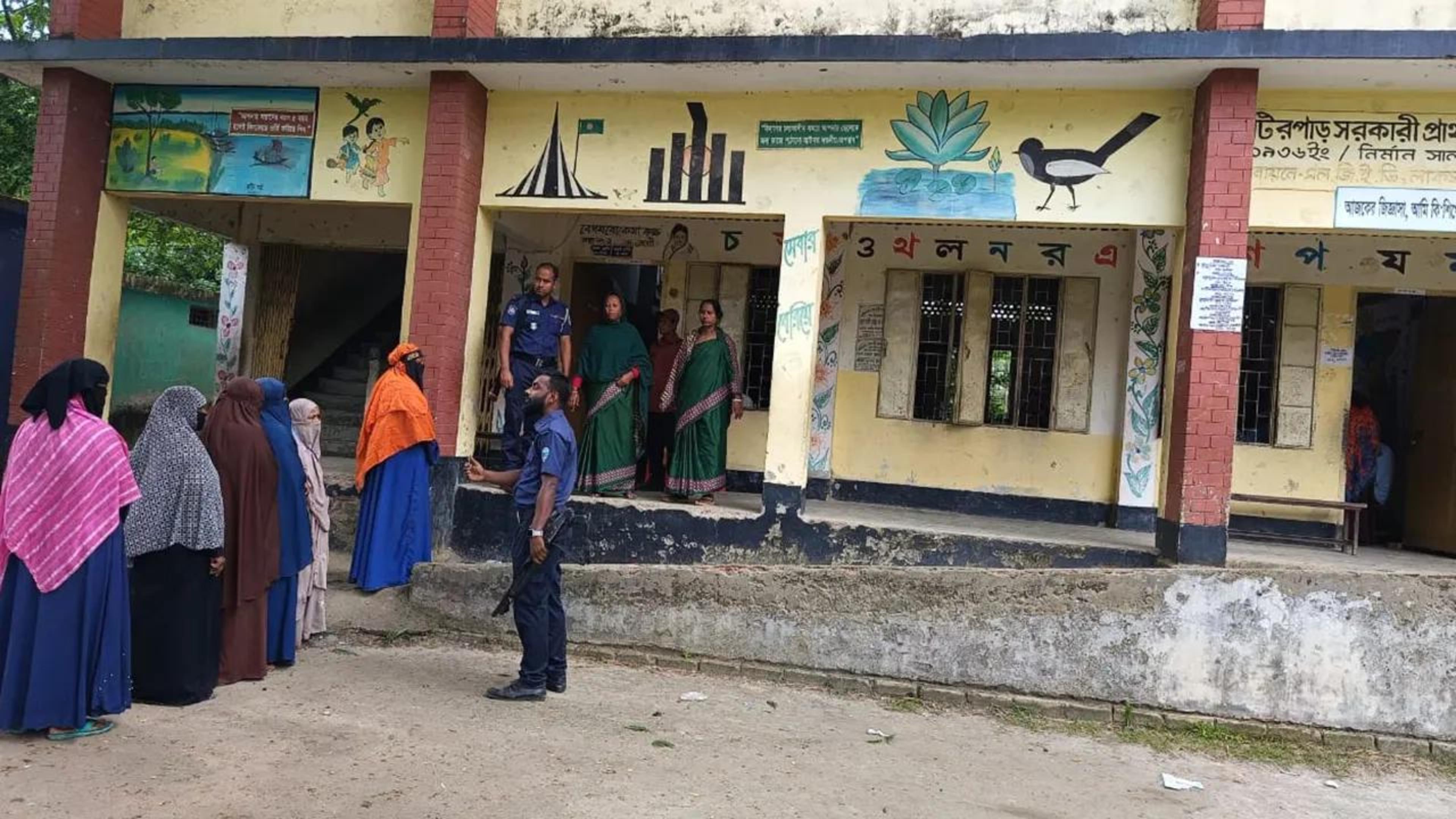
Bangladesh’s next local government elections face a key preparation challenge after a parliamentary committee chairman said law enforcement agencies were not yet fully ready to manage the polls. The comments have renewed attention on election security, administrative planning and the timeline for voting, which authorities have indicated could begin early in 2027.
AKM Selim Reza Habib, chairman of the Parliamentary Standing Committee on the Ministry of Local Government, Rural Development and Cooperatives, made the remarks after the committee’s first meeting at the parliament complex in Dhaka on October 11. He called for authorities to give security agencies more time to prepare, while expressing hope that local elections could still take place in the early months of next year.
The comments were reported by bdnews24.com and The Financial Express on October 11 and 12.
The remarks do not constitute an official election schedule. The Election Commission has previously discussed January as a possible timeframe, but the precise dates and arrangements for the polls remain subject to official decisions.
Why local elections pose a different challenge
Local government elections involve contests across multiple levels of administration, including union parishads, municipalities, upazilas, city corporations and zila parishads. The scale and organisation of these elections create a substantial logistical task for election officials and security agencies.
Habib said local polls could be more complex and risky than national elections because of candidates’ personal interests and attempts to exercise influence. Competition for ward member, reserved seats for women and chairman positions can bring candidates, campaign workers and supporters into close contact at polling centres.
Such contests can create pressure on authorities to maintain order before voting, during polling and while results are being processed.
Security preparation therefore involves more than deploying personnel on election day. Authorities must consider staffing, training, transport, coordination between agencies and their ability to respond to incidents in different locations.

Comments
0Join the discussion
You must be logged in to leave a comment.